

Brighten Your Home: A Guide to Choosing the Perfect Interior Light
Picking the right lights indoors can feel like a bit of a maze, can't it? You walk into a shop, or scroll online, and suddenly you're faced with a wall of options. What's the difference between warm and cool light? How do you even start to size up what you need for your kitchen versus your living room? Don't worry, we've all been there. This guide is here to make choosing lights indoors a lot less confusing, helping you create the perfect atmosphere in every corner of your home.
Key Takeaways
- Understanding light colour temperature, measured in Kelvin, helps you choose between warm, cosy light (lower Kelvins) and cooler, brighter light (higher Kelvins) to suit different moods and tasks.
- Layered lighting, using a mix of ambient, task, and accent lights, is key to creating functional and inviting spaces in every room, from kitchens to living areas.
- The choice of light fixtures, like pendant lights, wall sconces, and recessed lighting, significantly impacts a room's style and how light is distributed.
- Sizing your lighting needs correctly involves considering room dimensions, ceiling height, and the scale of your furniture to avoid fixtures that are too big or too small.
- Maximising natural light and being mindful of bulb selection, especially opting for energy-efficient LEDs, can save money and reduce your environmental impact.
Understanding Your Interior Light Needs
Right then, before we get carried away with all the fancy styles and shiny finishes, we really need to get to grips with what you actually need your lights to do. It’s not just about picking something that looks nice, is it? It’s about making sure the light works for the room and for you. Think of it like choosing the right tools for a job – you wouldn't use a hammer to screw in a lightbulb, would you?
Identifying Your Illumination Goals
First off, what's the main purpose of the room? Is it a place for lively family dinners, quiet reading sessions, or somewhere you get ready in the morning? The function of the space dictates the type and intensity of light you'll need. For instance, a kitchen needs bright, clear light for food preparation, while a bedroom might benefit from softer, more ambient lighting for relaxation. Considering how you use each room is the very first step to getting your lighting right.
Assessing Room Size And Ceiling Height
Let's have a proper look at the space you're dealing with. How big is the room? Are the ceilings sky-high or more of a standard height? A sprawling living room with a high ceiling is going to need a different kind of light than a small downstairs loo. The layout matters too. If you've got one of those open-plan kitchen-diner-lounge setups, you might need to think about how the light will spread. You don't want one end of the room feeling like a cave while the other is blindingly bright. Sometimes, a single big light isn't the answer; you might need a few smaller ones or a clever arrangement to make sure every corner gets a decent amount of light.
Determining Required Brightness Levels
Figuring out how much light you actually need can seem a bit tricky. It's often measured in lumens, which is basically how much light a bulb gives off. Different rooms and activities need different amounts. For example:
- Living Room/Bedroom: Aim for around 1,500 to 3,000 lumens for a comfortable atmosphere.
- Kitchen/Bathroom (for tasks): You'll probably want more, like 3,000 to 4,000 lumens, for clear visibility.
- Hallways/Entryways: Something in the 1,000 to 2,000 lumens range is usually fine for general illumination.
Getting the size and placement right is key to avoiding dark corners or overly bright spots. It's about creating a comfortable and functional atmosphere for whatever you're doing.
The Science Behind Interior Light
Understanding Light Colour Temperature
Ever walked into a room and felt instantly relaxed, or maybe a bit too buzzed? Often, that's down to the light's colour temperature. It's measured in Kelvin (K), and it tells you how warm or cool the light appears. Think of it like this: lower Kelvin numbers mean warmer, more yellow light, like a cosy fireplace. Higher numbers mean cooler, bluer light, similar to daylight. For living rooms and bedrooms, you'll probably want something warmer, around 2700K to 3000K, to create a relaxing vibe. For kitchens or bathrooms where you need to see clearly, a cooler temperature, maybe 3500K to 4000K, can be more helpful. It's not just about picking a number; it's about how you want the space to feel.
The Role Of Lumens For Optimal Brightness
When we talk about how bright a light bulb is, we're really talking about lumens. Forget watts; that used to measure energy use, not brightness. Lumens are the actual amount of light a bulb gives off. So, if you need a really bright space, like a home office or a kitchen work area, you'll want bulbs with a higher lumen count. For a more relaxed atmosphere in a lounge, you can get away with fewer lumens. It's a bit like choosing how loud you want your music to be – more lumens mean a brighter 'sound' for your room.
Here's a rough guide:
| Room Type | Recommended Lumens per Square Metre |
|---|---|
| Living Room | 100-200 lm/m² |
| Kitchen | 300-400 lm/m² |
| Bedroom | 100-150 lm/m² |
| Bathroom | 200-300 lm/m² |
| Home Office | 300-500 lm/m² |
Energy Efficiency And Longevity
Choosing the right light bulbs isn't just about how they look; it's also about how much they cost to run and how long they last. This is where LED bulbs really shine. They use a fraction of the energy compared to older types of bulbs, which means lower electricity bills. Plus, they last for ages – we're talking thousands of hours. This not only saves you money in the long run but also means you won't be constantly replacing bulbs. It's a win-win for your wallet and the planet. You can find a whole range of light bulbs now, including smart bulbs that let you control things from your phone, but the energy savings of LEDs are hard to beat.
When you're thinking about lighting your home, it's not just about sticking a bulb in a socket. Paying attention to the details, like colour temperature and brightness, can really make a difference to how a room feels and functions. It’s worth looking at the different types of light bulbs available, from standard ones to those fancy smart bulbs that you can control with your phone.
Layering Your Interior Light
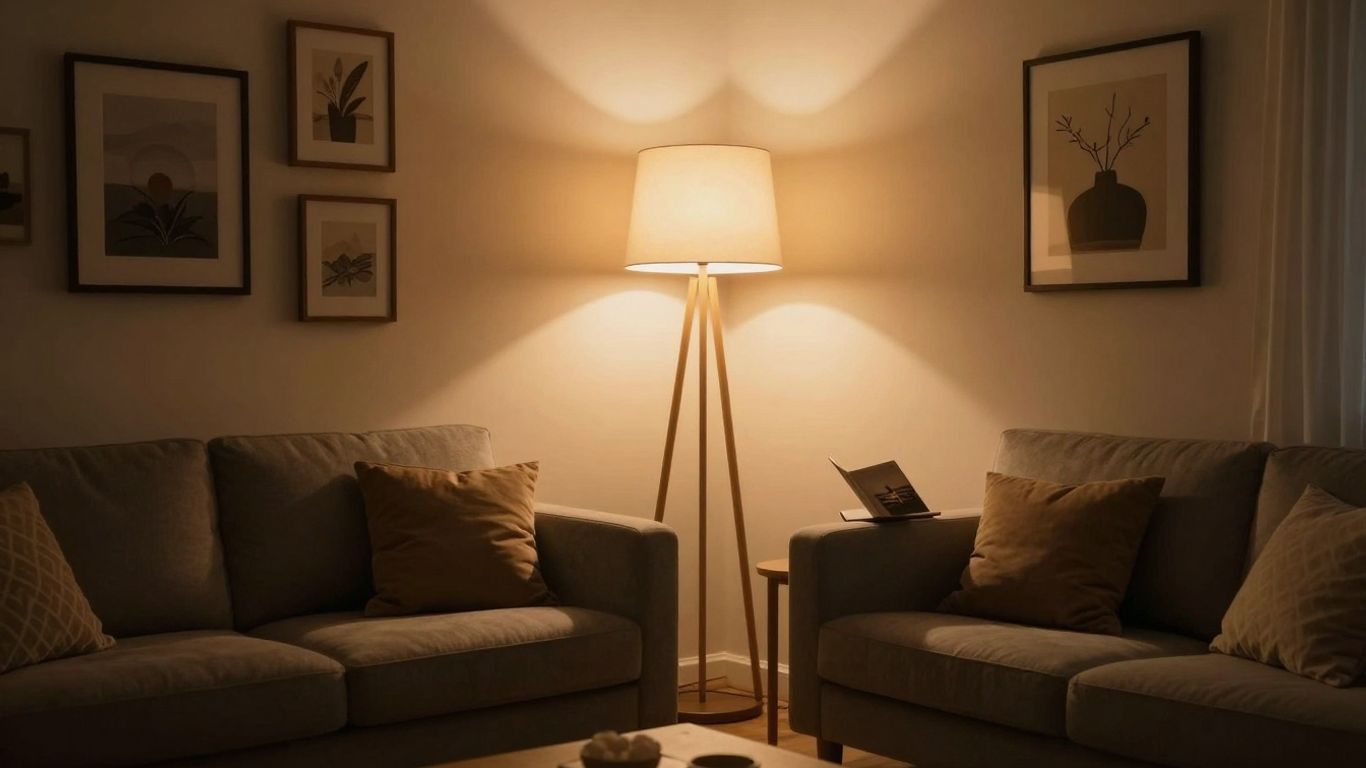
Think of lighting your home like creating a good outfit – you don't just throw on one big piece, right? You layer things to make it interesting and functional. The same goes for your interior light. It’s all about using different types of lights together to create a space that feels just right, whether you're cooking up a storm, settling down with a book, or having friends over.
Ambient Lighting For Overall Illumination
This is your base layer, the general light that fills the room. It’s what you switch on when you first walk in. Think ceiling lights, chandeliers, or even a well-placed floor lamp that casts light upwards. The goal here is to provide a comfortable, even glow that makes the room feel welcoming and safe. It’s not about bright, focused light, but more of a gentle wash that banishes dark corners. For a living room, you might use dimmable LED bulbs in your main ceiling fixture to adjust the mood from bright and airy to cosy and subdued.
Task Lighting For Specific Activities
Once you've got your general light sorted, you need to think about what you actually do in the room. If you're chopping vegetables in the kitchen, you need bright, direct light right where your hands are. That's task lighting. It could be under-cabinet lights in the kitchen, a desk lamp in your home office, or a reading lamp next to your favourite armchair. This focused light is key to preventing eye strain and making sure you can see clearly for detailed work.
Accent Lighting To Highlight Features
This is where you add a bit of personality and drama. Accent lighting is used to draw attention to specific things you want to show off – maybe a piece of art on the wall, a textured feature wall, or a collection of ornaments on a shelf. It's usually brighter than ambient light but more focused, often using spotlights or directional lamps. It adds depth and interest to a room, making it feel more dynamic and visually appealing. Think of it as the jewellery for your home's lighting scheme.
Choosing The Right Interior Light Fixtures
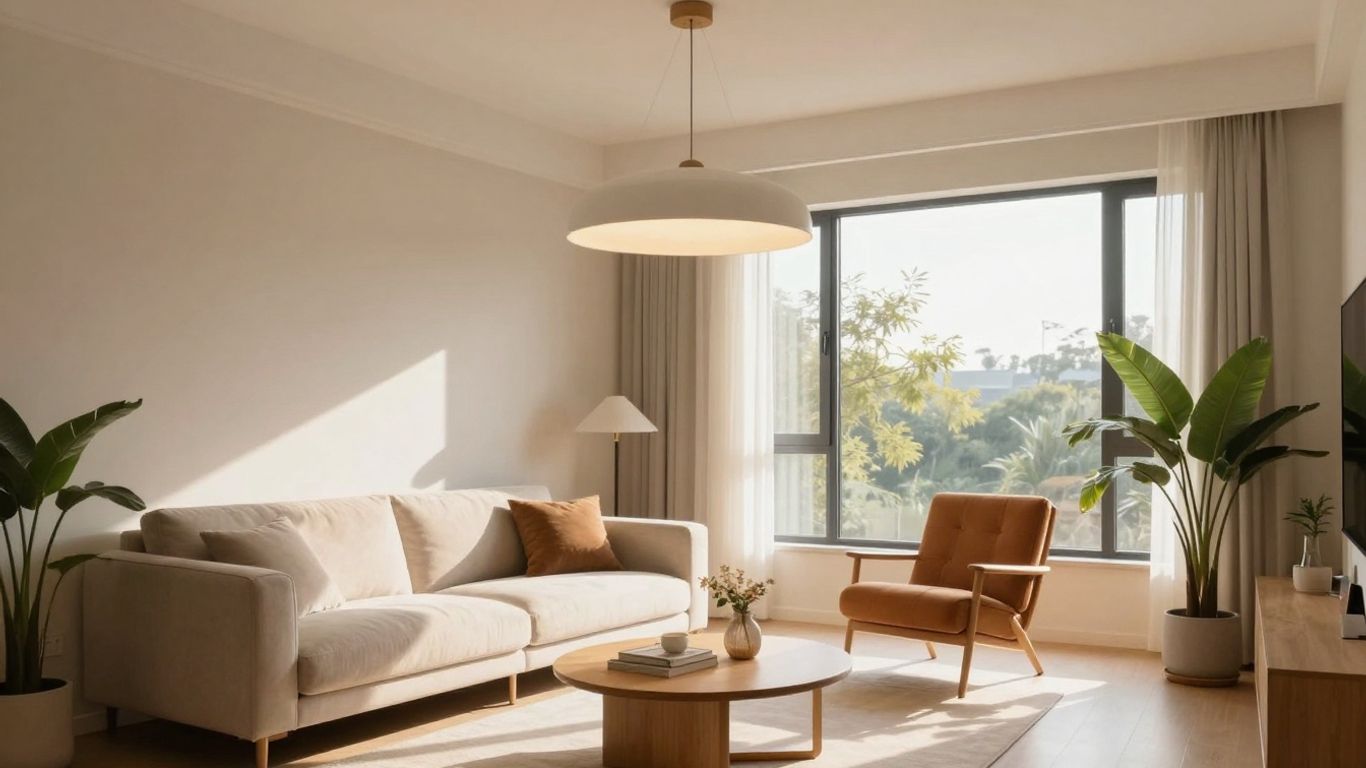
Right then, before we get carried away with all the fancy styles and shiny finishes, we really need to get to grips with what you actually need your ceiling lights to do. It’s not just about picking something that looks nice, is it? It’s about making sure the light works for the room and for you. Think of it like choosing the right tools for a job – you wouldn't use a hammer to screw in a lightbulb, would you?
The Impact of Pendant Lights
Pendant lights hang down from the ceiling, often over a specific area like a kitchen island or a dining table. They're great for drawing the eye and defining a space. When choosing, think about the room's size and ceiling height. A really long pendant might look out of place in a room with low ceilings, for example. You can also group smaller pendants together at different heights for a more modern look. It’s all about balancing the fixture with the space it’s in. You can find some lovely pendant lights for your home that really make a statement.
Symmetry with Wall Sconces
Wall sconces are mounted on the wall and can add a softer, more ambient light. They're often used in pairs, flanking a mirror, a doorway, or a piece of art. This creates a sense of balance and sophistication. Think about the style of the sconce itself – does it match the overall decor of the room? They can provide a nice accent without being the main light source, adding layers to your lighting plan.
Subtle Accents with Recessed Lighting
Recessed lighting, often called downlights, is fitted into the ceiling so it sits flush. This type of lighting is really good for providing general illumination without taking up visual space. It’s a clean look that works well in many different rooms. You can use them to light up a whole room, or strategically place them to highlight specific features, like artwork on a wall or shelves in a bookcase. They’re a subtle way to add light where you need it without a lot of fuss.
Picking the right light fixtures can really change how a room feels. It’s not just about brightness, but also about the style and how the light itself is cast. Let's look at a few popular types and what makes them work.
Selecting Interior Light Bulbs
Right then, let's talk about the actual bulbs that go into your light fixtures. It's easy to just grab whatever's on offer, but honestly, the bulb you choose makes a massive difference to how a room feels and how well it works. Think of it as the final piece of the puzzle for your lighting.
Intentional Light Bulb Selection
Don't just pick up any old bulb. You really need to think about what you'll be doing in the room. For instance, if you're setting up a reading nook or a kitchen workspace, you'll want something that's bright and clear. But for a cosy living room where you just want to chill out in the evening, a softer, warmer glow is usually the way to go. Choosing the right bulb is just as important as picking the right fixture. And don't forget about those smart bulbs; they're pretty neat for controlling things from your phone or even with your voice.
Warm Versus Cool Light Temperatures
This is where things can get a bit technical, but it's actually quite simple once you get the hang of it. Light colour temperature is measured in Kelvin (K). The lower the Kelvin number, the warmer and more yellow the light, like a traditional incandescent bulb. Higher Kelvin numbers mean cooler, bluer light, which can feel more energising.
Here's a quick rundown:
- Warm White (2700K - 3000K): This is great for living rooms, bedrooms, and dining areas where you want a relaxed, cosy atmosphere. It's similar to candlelight.
- Cool White/Bright White (3500K - 4100K): This is a good middle ground, often used in kitchens, bathrooms, and home offices. It's bright enough for tasks without being too harsh.
- Daylight (5000K - 6500K): This is a very bright, blueish light that mimics natural daylight. It's best for areas where you need maximum visibility, like garages or workshops, but can feel a bit stark for general living spaces.
Picking the right colour temperature can completely change the mood of a room. A warm bulb can make a space feel instantly more inviting, while a cool bulb can make it feel more alert and focused. It's worth experimenting to see what works best for you.
The Benefits Of Dimmable Bulbs
Honestly, dimmable bulbs are a bit of a game-changer. They give you so much flexibility. You can have bright light when you need to get things done, like cleaning or cooking, and then easily dim them down for a more relaxed evening. It means you can adapt the lighting in a room to suit whatever you're doing, or even just how you're feeling. Plus, dimming the lights can save a bit of energy too. Most modern LED bulbs are now available in dimmable versions, so it's not as tricky to find them as it used to be. Just make sure your light fixture and switch are also compatible with dimmable bulbs.
Complementing Your Interior Light Style
So, you've got a handle on the lumens and the types of LED ceiling lights available. Brilliant! Now, let's talk about making sure your new lights actually look the part and fit in with the rest of your home. It's not just about brightness, is it? You want your lighting to complement your existing style, not clash with it. Think of it like choosing a new sofa – it needs to work with your curtains and coffee table.
Choosing Styles To Complement Your Decor
Once you've got a handle on the finishes, it's time to think about the actual style of the light itself. Are you going for a super modern, minimalist vibe? Or is your home more traditional, with classic touches? There are LED ceiling lights to suit pretty much every taste. For instance, if you've got a bit of a vintage feel going on, maybe a decorative LED pendant light with a filament-style bulb could be just the ticket. These can look amazing and give off a lovely warm glow, almost like a traditional bulb but much more efficient. You can find some really interesting LED flame bulbs that add a unique touch.
Don't be afraid to mix and match a little, but always keep the room's primary purpose in mind. A dramatic chandelier might be stunning in a dining room, but probably not the best choice for a small home office where you need clear, focused light.
Considering Material And Colour Choices
Beyond the finish and style, the size and shape of your LED ceiling light are important too. A massive, sprawling fixture in a tiny room will just look out of place, and a minuscule light in a large space can get lost. Measure your room and consider the ceiling height. For lower ceilings, flush mount or semi-flush mount options are usually best. For higher ceilings, you have more flexibility, and a pendant light can add a real focal point. Think about the shape too – a round fixture can soften a room with a lot of straight lines, while a more angular design might complement a contemporary space.
The colour and material of the light fixture itself also matter. A stark white flush mount might be perfect for a clean, modern kitchen, while a darker, perhaps matte black, fixture could add a sophisticated touch to a living room with darker furniture. Think about how the light will interact with the colours already in the room. A frosted glass shade will diffuse light more softly than a clear one, which might be better if you find bright light a bit harsh.
Drawing Inspiration From Your Surroundings
Start noticing lighting when you're out and about. If you walk into a room and love the atmosphere, try to figure out why. What kind of lights are they using? Where are they placed? How do they work together? You can get loads of ideas from cafes, shops, or even friends' houses. It’s like collecting little bits of inspiration everywhere you go. Don't be afraid to mix and match different styles either; sometimes a bit of contrast is exactly what a room needs.
Here's a quick checklist to get you started:
- Note down the finishes of your current hardware (think taps, handles, hinges).
- Observe the colours and materials of other decorative items.
- Consider the overall style of your existing furniture.
Paying attention to the details can really make a difference. Don't just grab any old bulb. Think about what you'll be doing in the room. For tasks like reading or cooking, you'll want something brighter and maybe a bit cooler. For relaxing in the evening, a warmer, softer light is usually better. Dimmable bulbs are brilliant because you can change the mood whenever you like. And remember, LED bulbs are a smart choice – they use less electricity and last ages, saving you money and being kinder to the planet.
To make your home truly shine, think about how your lights work together. Choosing the right bulbs can really change the feel of a room, making it cosy or bright. Explore our wide range of lighting options to find the perfect match for your style. Visit our website today to discover more!
Bringing It All Together
So, there you have it. Getting your home's lighting just right doesn't have to be a headache. By thinking about the colour of the light, using different types of lights together, and picking fixtures that suit your space and style, you can really transform how your home feels. Don't forget to consider how much natural light you get and to choose energy-efficient bulbs like LEDs – your wallet and the planet will thank you. It’s all about making your home a more comfortable and welcoming place to be, one light at a time.
Frequently Asked Questions
What's the difference between warm and cool light?
Think of light like a colour. Warm light is more yellowy, like a cosy candle flame, and it's great for relaxing rooms like bedrooms or living rooms. Cool light is more blueish, like daylight, and it's better for rooms where you need to concentrate, like kitchens or home offices, because it helps you see things clearly.
How do I know how bright my lights need to be?
Brightness is measured in 'lumens'. More lumens mean a brighter light. For cosy rooms, you need fewer lumens, maybe around 1,500 to 3,000. For rooms where you do tasks, like cooking or reading, you'll want more lumens, perhaps 3,000 to 4,000, so you can see everything properly.
What is 'layered lighting'?
Layered lighting means using different types of lights in one room. Instead of just one big light, you use a mix: general light for the whole room (ambient), bright lights for specific jobs (task), and smaller lights to draw attention to cool things like pictures (accent). This makes the room more useful and cosy.
Why are LED bulbs a good choice?
LED bulbs are super efficient! They use much less electricity than old-fashioned bulbs, which saves you money on your energy bills. Plus, they last for ages, so you won't be changing them all the time. They're also kinder to the planet.
How do I choose the right size light fixture for my room?
It's important that your light fixture fits the room. A giant light in a small room can look silly, and a tiny one in a big space can get lost. Measure your room and think about how high your ceiling is. For lower ceilings, lights that sit close to the ceiling are usually best. For higher ceilings, you can be more adventurous with hanging lights.
Can I get ideas for light styles from anywhere?
Absolutely! When you're out and about, pay attention to the lighting in cafes, shops, or friends' houses. If you see a room that feels just right, try to work out why. What kinds of lights are they using? Where are they placed? You can collect lots of great ideas from everyday places to make your own home look amazing.

