

Can LED Lights Replace Halogen Bulbs? A Comprehensive Guide for UK Homes
So, you've probably heard that halogen bulbs are on their way out in the UK, and everyone's talking about LED lights. It makes sense to wonder if these newfangled LEDs can actually do the job that your old halogens used to. This guide is here to clear things up and help you figure out if LED lights can replace halogen bulbs in your home, covering all the important bits from why the change is happening to how it affects your wallet and your home's atmosphere.
Key Takeaways
- The UK has banned the sale of halogen bulbs to help cut down on energy use and reduce emissions, making LEDs the go-to replacement.
- LEDs use significantly less energy than halogens, often up to 90% less, which means lower electricity bills for your home.
- While LEDs might cost more to buy initially, their much longer lifespan and lower energy consumption lead to substantial cost savings over time.
- Switching to LEDs is better for the environment as they use less power, produce less heat, and don't contain harmful materials.
- Making the switch is usually straightforward, but checking for dimmer switch compatibility and considering professional help for complex installations is wise.
Understanding The Ban On Halogen Bulbs
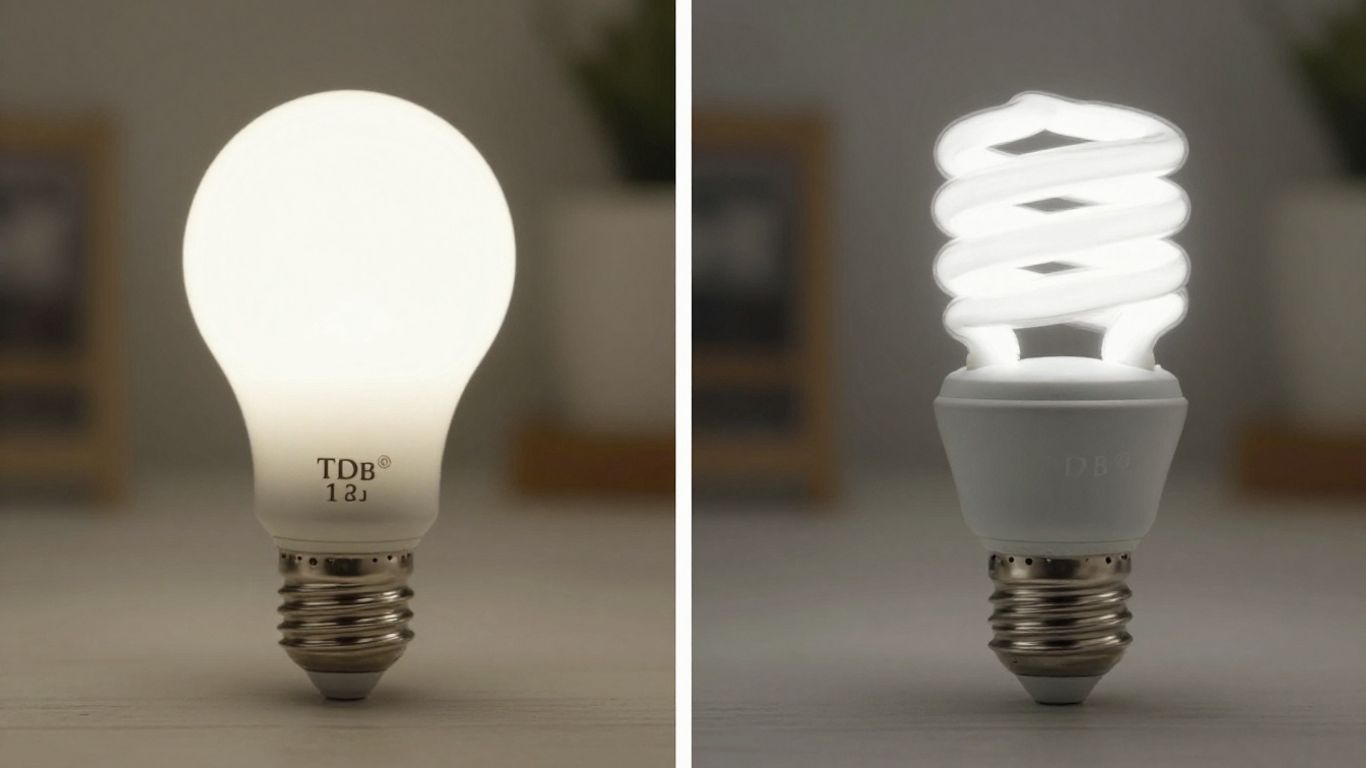
The UK's Phase-Out Of Halogen Lighting
Back in September 2021, the UK made a pretty significant change to lighting regulations. They stopped the sale of most halogen light bulbs. This wasn't just a random decision; it's part of a bigger plan to get us all using more energy-efficient lighting. Think of it as a nudge towards a greener future. You can still use the halogen bulbs you already have at home until they finally give up the ghost, but buying new ones, especially for general household use, is pretty much a no-go now.
Government Aims To Reduce Emissions
The main reason behind this ban is environmental. Halogen bulbs, while they give off a nice warm light, are real energy guzzlers. They convert a lot of the electricity they use into heat rather than light, which is quite wasteful. By phasing them out, the government is aiming to cut down on the UK's overall carbon emissions. Less energy used means a smaller carbon footprint for all of us, which is a good thing for the planet, right?
Halogen Sale Ban: What It Means For Homes
So, what does this actually mean for your home? Well, if you've got halogen bulbs, you don't need to panic and replace them all immediately. You can keep using them. However, when they do eventually burn out, you'll need to look for alternatives. The most common and recommended replacement is LED bulbs. They use significantly less energy, last much, much longer, and are better for the environment. It's a bit of a shift, but ultimately, it's about saving energy and money in the long run.
Here's a quick look at why the switch is happening:
- Energy Waste: Halogens are inefficient, turning much of their power into heat.
- Environmental Goals: Reducing energy consumption helps meet climate targets.
- Future-Proofing: Encouraging the use of modern, efficient technology.
The shift away from halogen bulbs is a clear signal that energy efficiency is becoming a priority for households across the UK. While it might mean a change in how we shop for light bulbs, the long-term benefits for both our wallets and the environment are considerable.
Key Differences Between LED And Halogen Lighting
How LED Lights Produce Illumination
LEDs, or Light Emitting Diodes, are pretty clever bits of kit. They work by passing an electric current through a tiny semiconductor chip. This chip has a few little light sources, called LEDs, and when the current hits them, they glow. It’s a really direct way of making light, and it means they don't waste much energy.
The Technology Behind Halogen Bulbs
Halogen bulbs are a bit more old-school. Think of them like a souped-up version of the old incandescent bulbs. They have a thin wire, a filament, made of tungsten. When you switch them on, electricity heats this filament up until it glows white-hot, producing light. To stop the filament from burning out too quickly, the bulb is filled with a small amount of halogen gas, like iodine or bromine, along with an inert gas. This gas helps the filament last longer than in a regular incandescent bulb.
Comparing Light Output And Brightness
When you're looking at how bright a bulb is, it's not just about the watts anymore, especially with LEDs. Watts used to tell you how bright a bulb was, but now it's more about lumens. A lumen is the actual measure of light output. LEDs are brilliant because they give you a lot of lumens for very few watts. For example, a 5W LED bulb can produce as much light as a 30W halogen bulb. That's a massive difference!
Here's a quick look at how they stack up:
| Feature | LED Bulbs | Halogen Bulbs |
|---|---|---|
| Light Production | Semiconductor chip emits light | Heated tungsten filament glows |
| Energy Use | Very low (e.g., 5W for 600 lumens) | Higher (e.g., 30W for 600 lumens) |
| Warm-up Time | Instant full brightness | Needs a short time to reach full brightness |
| Colour Options | Wide range of colour temperatures available | Typically a warm, cosy light |
| Lifespan | Up to 50,000 hours | Around 1,000 - 3,000 hours |
Halogen bulbs are known for giving off a really clear, sharp light that can make colours look quite vibrant. They also dim really nicely, which is great if you want to set a mood. However, LEDs can now do all of that and more, often with better efficiency and a much longer life.
One of the main things to remember is that LEDs light up straight away. No waiting around for them to get to full brightness. Halogen bulbs, on the other hand, need a moment to warm up. Also, while halogen bulbs tend to give off a warm, cosy light, LEDs can be made in all sorts of colour temperatures, from cool white to warm white, and even different colours if you want them.
The Environmental Advantages Of Switching To LEDs
Reducing Your Carbon Footprint With LEDs
When you switch from old halogen bulbs to LEDs, you're doing a bit of good for the planet. Think about it: LEDs are much better at turning electricity into light. Halogen bulbs, on the other hand, waste a lot of energy as heat. This means LEDs use less power overall to give you the same amount of light. Less power used means less demand on power stations, and that generally translates to lower carbon emissions. It's a simple equation, really: less energy consumed equals a smaller carbon footprint for your household. Making the change is one of the easiest ways to contribute to a greener environment right from your own home.
Energy Efficiency And Heat Emission
Let's get a bit more specific about that energy efficiency. A typical halogen bulb might convert only about 10% of its energy into visible light, with the rest becoming heat. LEDs are far more efficient, often converting 50% or more of their energy into light. This difference is huge. For example, a 60-watt halogen bulb might produce the same amount of light as a 10-watt LED. That's an 85% reduction in energy use for the same brightness! This lower energy consumption not only saves you money but also means less strain on the national grid and, consequently, fewer greenhouse gases being pumped into the atmosphere.
Recyclability And Non-Toxic Materials
Beyond just energy use, LEDs are also a better choice when it comes to the materials they're made from and how they're disposed of. Unlike some older lighting technologies, LEDs don't contain hazardous materials like mercury. This makes them safer to handle and dispose of. While you should always check local guidelines for recycling electronics, LEDs are generally designed with recyclability in mind. This means that at the end of their very long life, they can be processed and their components reused, further reducing their environmental impact compared to bulbs that end up in landfill.
Here's a quick look at how they stack up:
- Energy Use: LEDs use significantly less electricity for the same light output.
- Heat Output: Halogens get very hot; LEDs stay much cooler.
- Materials: LEDs are generally made with non-toxic, recyclable components.
The UK government has been phasing out halogen bulbs with the aim of cutting emissions. Research suggests that switching to LEDs across the country could reduce CO2 emissions by a massive amount, comparable to taking hundreds of thousands of cars off the road. It really shows how a simple change in our homes can have a collective positive effect.
Significant Cost Savings By Upgrading To LED
Let's talk about the money. Swapping out those old halogen bulbs for LEDs isn't just about being a bit greener; it's a proper way to cut down on your electricity bills. You might be surprised how much you're actually spending to keep those halogens lit up.
Comparing Running Costs: LED Vs Halogen
Think about this: a typical 5-watt LED bulb can give you the same amount of light as a 50-watt halogen. That's a massive difference – a tenth of the power for the same brightness. So, you could run ten LED bulbs for the same cost as just one halogen. When you start adding that up across your whole house, it really makes you think.
Here's a rough idea of what you might be paying:
| Bulb Type | Wattage | Hours Per Day | Annual Cost (per bulb) |
|---|---|---|---|
| Halogen | 50W | 3 | Approx. £18.61 |
| LED | 5W | 3 | Approx. £1.86 |
Note: Based on an electricity price of 34p per kilowatt-hour. Prices can vary.
Long-Term Financial Benefits Of LEDs
It's not just about the immediate drop in your bill. LEDs last ages. We're talking up to 50,000 hours, compared to maybe 4,000 for a halogen. That means you're buying replacement bulbs far less often, saving you money on the bulbs themselves over time. This long lifespan, combined with lower energy use, means LEDs pay for themselves pretty quickly.
Calculating Annual Savings On Energy Bills
Imagine you have, say, 30 halogen bulbs in your home. If they're all on for about three hours a day, your annual lighting cost could easily be over £500. Now, if you switch those same 30 bulbs to LEDs, that annual cost could drop to around £50-£60. That's a saving of nearly £500 a year, just on lighting! It's a no-brainer, especially with energy prices going up.
Don't wait for your halogen bulbs to burn out before making the switch. You'll save more money in the long run by changing to LEDs now, rather than phasing them in slowly over several years. The sooner you switch, the sooner you start saving.
Making The Switch: Practical Considerations
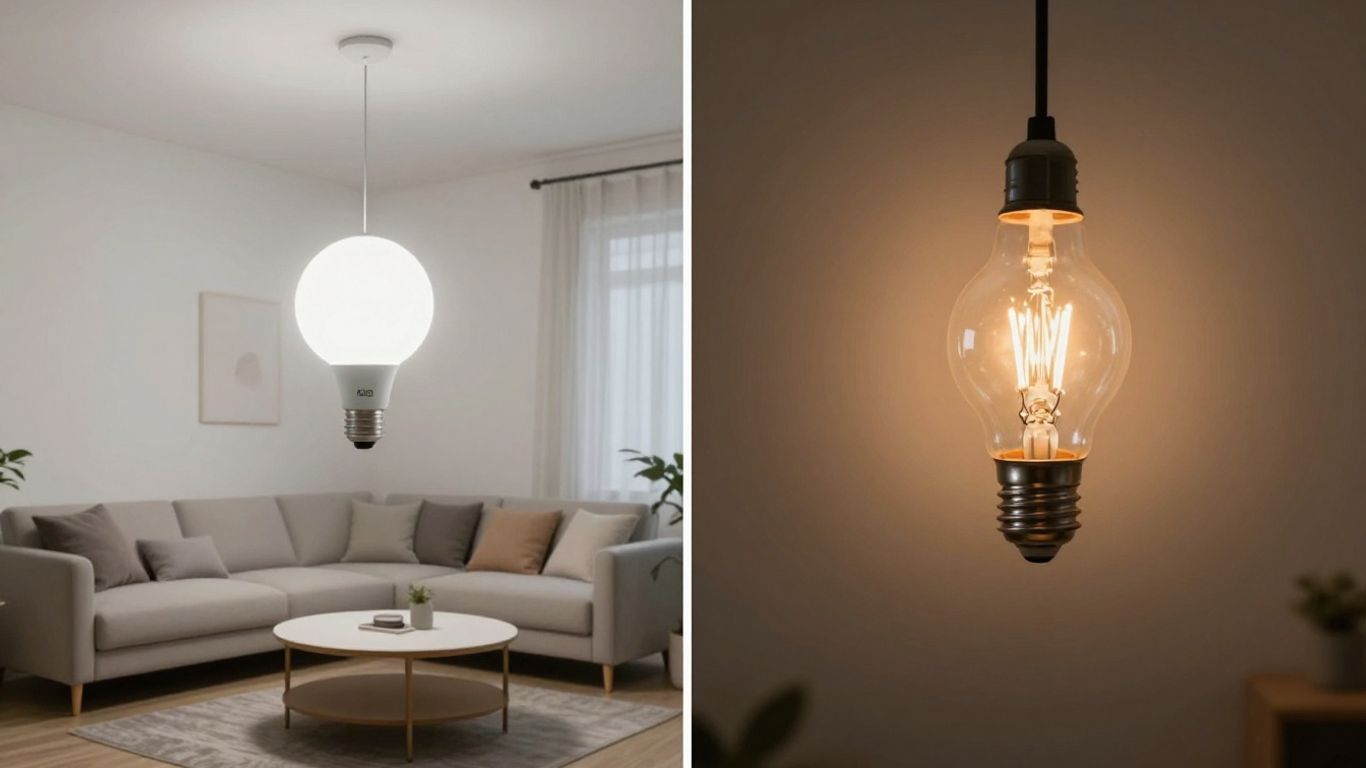
So, you're ready to ditch those old halogen bulbs for some snazzy new LEDs. That's a smart move, honestly. But before you rush out and buy a whole load of them, there are a few things to think about to make sure it all goes smoothly. It's not always as simple as just screwing in a new bulb, especially if you've got dimmer switches or older fittings.
Choosing The Right LED Colour Temperature
This is a big one for setting the mood in your home. Halogen bulbs tend to give off a warm, yellowish light, which many people find cosy. LEDs come in a range of colour temperatures, measured in Kelvin (K). You'll see terms like 'warm white', 'cool white', and 'daylight'.
- Warm White (around 2700K-3000K): This is closest to the light from a traditional halogen bulb. It's great for living rooms, bedrooms, and anywhere you want a relaxed, inviting atmosphere.
- Cool White (around 4000K-5000K): This has a more neutral, bluish tint. It's good for kitchens, bathrooms, or home offices where you need clear, bright light for tasks.
- Daylight (5000K-6500K): This is a very bright, crisp light, similar to natural daylight. It's best for task lighting, garages, or areas where you need maximum visibility.
It's a good idea to buy just one LED bulb first to see if you like the colour temperature before committing to replacing all your bulbs.
Compatibility With Dimmer Switches
This is where things can get a bit tricky. Not all LED bulbs work with older dimmer switches designed for halogens. If you try to use a non-dimmable LED with a dimmer, it might flicker, buzz, or not work at all. Even worse, it could damage the bulb or the dimmer.
- Look for 'Dimmable' LEDs: Always check the packaging to make sure the LED bulb is specifically labelled as 'dimmable'.
- Check Your Dimmer: Older dimmer switches might not be compatible. Sometimes, you might need to replace the dimmer switch itself with an LED-compatible one. This is often best left to a qualified electrician.
- Test First: If you're unsure, try one dimmable LED bulb first. If it works fine, you can then buy more. If it flickers or doesn't dim properly, you might need to investigate your dimmer switch.
Trying to figure out if your existing dimmer module is LED compatible can be a bit of a wild goose chase. Often, the information isn't clearly marked, and fiddling with wiring behind the switch can be risky if you're not experienced. It's easy to get wrong, and that could lead to problems.
When To Call A Qualified Electrician
While changing a light bulb is usually a simple DIY job, switching to LEDs, especially with dimmer switches or integrated fittings, can sometimes be more complex. If you're not comfortable with electrical work, or if you encounter any issues, it's always best to call in a professional.
- Unsure About Compatibility: If you've tried a dimmable LED and it's not working correctly, an electrician can check if your dimmer switch or even the wiring needs an upgrade.
- Integrated Light Fittings: Some modern light fittings have the LED driver built-in. Replacing these can be more involved than just swapping a bulb.
- Safety First: If you have any doubts about the wiring, or if you're dealing with fittings in areas like bathrooms where water is present, get a qualified electrician. They can ensure the work is done safely and correctly, and they'll often provide a certificate to prove it meets current UK wiring regulations. It might cost a bit upfront, but it's worth it for peace of mind and to avoid potential hazards.
Beyond Energy Savings: Other LED Benefits
So, we've talked a lot about how much money you can save and how good LEDs are for the planet, which is brilliant, right? But honestly, the advantages of switching from those old halogen bulbs don't stop there. There are a few other things that make LEDs a really smart choice for your home.
The Extended Lifespan Of LED Bulbs
This is a big one. Halogen bulbs, bless 'em, don't hang around for long. You're lucky if you get a year or two out of them before they conk out. LEDs, on the other hand, are built to last. We're talking tens of thousands of hours. Seriously, a typical LED bulb can last for up to 50,000 hours. That's potentially over a decade of use if you're running them for a good few hours every day. Think about it: fewer trips to the shop for replacements, less hassle changing bulbs, and just more consistent light in your home. It really adds up.
Physical Durability Of LED Technology
Halogen bulbs are often made of glass and can be a bit fragile. If you knock one, it's likely to shatter. LEDs are generally more robust. While you still don't want to be dropping them on the floor, they're less prone to breaking from minor bumps or vibrations. This makes them a bit more forgiving, especially if you have kids or pets running around, or if you're installing them in areas where they might get a bit of a jiggle.
Versatility In Lighting Applications
LEDs are incredibly versatile. They come in all sorts of shapes, sizes, and colour temperatures, so you can really tailor your lighting. Need a warm, cosy glow for your living room? You can get that. Want a bright, crisp light for your kitchen or workspace? Yep, that's available too. Plus, with things like LED strips, you can get creative with lighting in places you just couldn't with traditional bulbs. Think accent lighting under cabinets, along shelves, or even around mirrors. They also switch on instantly to full brightness, no more waiting for that warm-up period you sometimes get with older bulb types.
LED lights offer more than just saving money on your electricity bill. They can also improve the look and feel of your home, last much longer than old bulbs, and are better for the environment. Discover the full range of advantages and find the perfect LED solutions for your needs by visiting our website today!
So, Should You Make the Switch?
Right then, after all that chat, it's pretty clear that swapping your old halogen bulbs for LEDs is a no-brainer for most UK homes. Not only are you going to see a decent chunk knocked off your electricity bills – and let's face it, who doesn't want that right now? – but you're also doing a bit of good for the planet too. The government's even nudged us along by banning the sale of halogens, so the future really is LED. While the initial cost might be a bit more for an LED bulb, it honestly pays for itself pretty quickly with the energy you save. Plus, they last ages longer, meaning fewer trips to the shop for replacements. Just remember to check if you need dimmable ones and maybe get an electrician in if you're unsure about your wiring, especially with dimmer switches. All in all, it's a sensible move for your wallet and the environment.
Frequently Asked Questions
Why did the UK stop selling halogen bulbs?
The UK government decided to stop selling halogen bulbs to help the environment. Halogen bulbs use a lot more electricity and create more greenhouse gases, which contribute to climate change. By banning them, the government wants people to switch to more energy-efficient options like LED bulbs, which use much less power and are better for the planet.
Are LED bulbs really that much cheaper to run?
Yes, they really are! Imagine a 50-watt halogen bulb giving the same light as a 5-watt LED. That means you could power ten LED bulbs for the same cost as just one halogen. Over a year, this can add up to big savings on your electricity bills, especially if you have lots of lights on.
How long do LED bulbs last compared to halogen ones?
LED bulbs last a very, very long time! While a halogen bulb might last around 1,000 to 2,000 hours, an LED can keep going for up to 50,000 hours. That's like having one LED bulb for over 12 years, compared to needing a new halogen every couple of years. It means fewer trips to the shop and less waste.
Can I just swap my old halogen bulbs for new LED ones?
Usually, yes! For most standard light fittings, you can simply unscrew the old halogen and screw in the new LED. However, if you have dimmer switches, you need to make sure you buy LED bulbs that are specifically labelled as 'dimmable'. Sometimes, older dimmer switches might not work well with LEDs, and you might need an electrician to check or replace them.
What do 'colour temperature' and 'lumens' mean for LED bulbs?
'Colour temperature' is about the shade of white light the LED gives off. You can get a warm, cosy yellow-ish light (like a candle), a neutral white, or a cool, bluish light (like daylight). 'Lumens' measure how bright the bulb is, rather than watts. More lumens mean a brighter light.
Is it safe to change halogen bulbs to LEDs myself?
For simple bulb replacements, yes, it's generally safe. Just make sure the power is off and the old bulb has cooled down. However, if you're dealing with dimmer switches, transformers, or complex light fittings, it's much safer to get a qualified electrician to do the job. They have the right tools and knowledge to do it safely and correctly.

