

Choosing the Right Dimmable Light Bulbs for Your Home: A Comprehensive Guide
Thinking about updating your home's lighting? You've probably seen lots of talk about dimmable LED light bulbs. They really can change how a room feels, making it cozier or brighter depending on what you need. This guide is here to help you figure out the best dimmable light bulbs for your place, covering everything from picking the right ones to getting them set up. Let's get your home looking and feeling just right.
Key Takeaways
- Dimmable LED light bulbs let you change the brightness, which is great for setting the mood or saving energy.
- When choosing bulbs, look at lumens for brightness and colour temperature for the feel of the room. Wattage tells you about energy use.
- Make sure your new dimmable LED bulbs work with your existing dimmer switches. If not, you might need to swap the switch too.
- Using dimmable bulbs can make your space more comfortable and can also help the bulbs last longer.
- Beyond just dimming, smart LED bulbs offer control via apps or voice, and some can even change colour.
Understanding Dimmable LED Light Bulbs
How Dimmable LEDs Enhance Your Living Space
So, you're thinking about dimmable LED bulbs. Good move. These aren't just your standard light bulbs; they're designed to give you control over the brightness, which can really change the feel of a room. Imagine this: you're settling down for a film, and instead of harsh overhead light, you can just dim it down to a cosy glow. Or maybe you need bright light for reading a book – you can crank it up. It’s all about flexibility. Dimmable LEDs let you tailor the light to whatever you're doing, making your space more comfortable and useful. They can also help save a bit of electricity too, because when the light is dimmer, it uses less power. It's a win-win, really.
Assessing Lumens for Optimal Brightness
When you're picking out new light bulbs, you'll see numbers like 'lumens' on the packaging. Forget about watts for a moment; lumens are what actually tell you how bright the bulb is. More lumens means more light. It's pretty straightforward. You'll want to think about what you actually do in each room.
Here’s a rough idea:
- 450 lumens: Good for small areas or just adding a bit of light where you don't need much.
- 800 lumens: This is a common brightness, similar to an old 60-watt bulb. It's usually fine for general lighting in most rooms.
- 1100 lumens: This is brighter, useful if you need more light for tasks or if the room is quite large.
- 1600 lumens: Very bright, best for places like workshops or garages where you need strong illumination.
Choosing the right lumen count means you get the brightness you need without it being too much or too little. It's about getting the light level just right for the job.
Choosing the Right Dimmable LED Bulbs
Picking the correct dimmable LED bulbs can feel a bit tricky at first, but it's not too bad once you know what to look for. The most important thing is to make sure the bulb itself is actually designed to be dimmed. You'll see 'dimmable' written on the box, which is a good start. But it's not just about the bulb; it also needs to work with your dimmer switch. If you try to use a bulb that isn't dimmable, or one that's not compatible with your switch, you might end up with flickering lights or a buzzing noise. Sometimes, it might not work at all. So, always check the packaging carefully for that 'dimmable' label and, if possible, check if it mentions compatibility with LED dimmers. It saves a lot of hassle down the line.
Ensuring Compatibility With Dimmer Switches
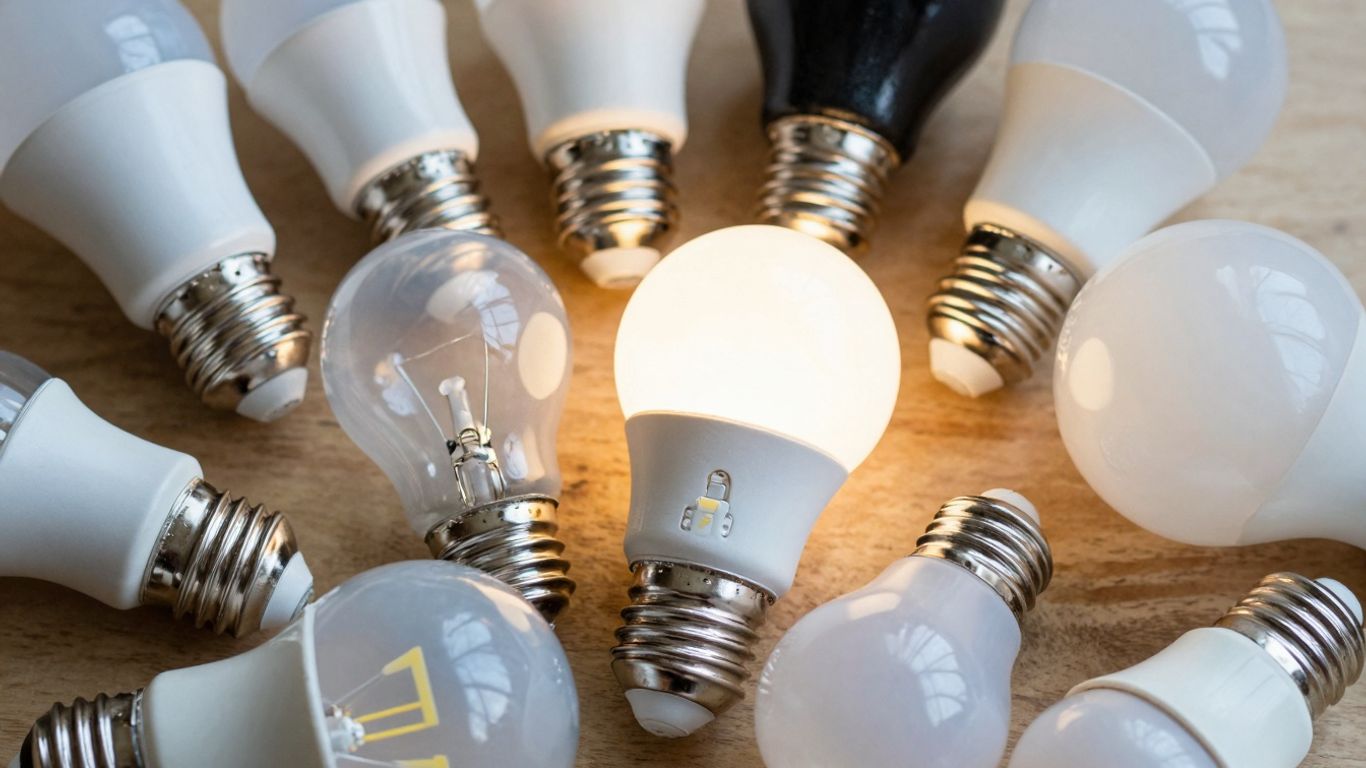
Right then, let's talk about making sure your new dimmable LED bulbs actually work with your existing dimmer switches. It’s not always as simple as just screwing in a new bulb, unfortunately. You've got to make sure the bulb and the switch are playing nicely together, otherwise, you'll end up with flickering lights, buzzing noises, or lights that just won't dim properly. It can be a bit of a headache if you don't get it right from the start.
Understanding Different Dimmer Types
Dimmer switches aren't all the same, you see. The older ones, often called 'leading edge' or TRIAC dimmers, work by chopping off the start of the electrical wave. They're usually cheaper but can be a bit fussy with LED bulbs, sometimes causing that annoying flicker or hum. Then you've got 'trailing edge' or ELV dimmers. These are a bit more modern and tend to be much better with LEDs. They chop off the end of the wave, which generally gives a smoother dimming experience and fewer compatibility problems. Some newer 'universal' dimmers are designed to work with a wider range of bulbs, including LEDs, and might even have a setting to fine-tune things.
Checking Bulb and Dimmer Compatibility
So, how do you know if they'll work? The packaging is your best friend here. Both the light bulb boxes and the dimmer switch packaging should clearly state if they are compatible with each other, especially when it comes to LEDs. Look for labels that say 'dimmable' on the bulb packaging. For the dimmer, it should specify the types of bulbs it can handle. If you're buying new LED bulbs, most of them are designed to be dimmable these days, but it's always worth double-checking. If you've already got dimmer switches installed and you're upgrading to LED bulbs, there's a good chance the old dimmer might not be up to the job. In many cases, it's easier to replace both the dimmer and the bulbs at the same time to avoid any compatibility issues.
When In Doubt, Ask For Assistance
If you've looked at the packaging and you're still not sure, or if you've got a really old dimmer switch, don't be afraid to ask for help. An electrician can tell you straight away if your current setup will work or what you need to change. They can also help with the installation if you're not comfortable messing with electrical wiring yourself. It's always better to be safe than sorry when it comes to electricity, and getting it right means you'll have lovely, smoothly dimmable lights without any fuss.
Always turn off the power at the fuse box before you start fiddling with any wiring. It sounds obvious, but it's the most important step to avoid any nasty shocks. Make sure you've got the right tools and follow the instructions that come with your new dimmer switch very carefully.
Tailoring Light Levels To Your Rooms
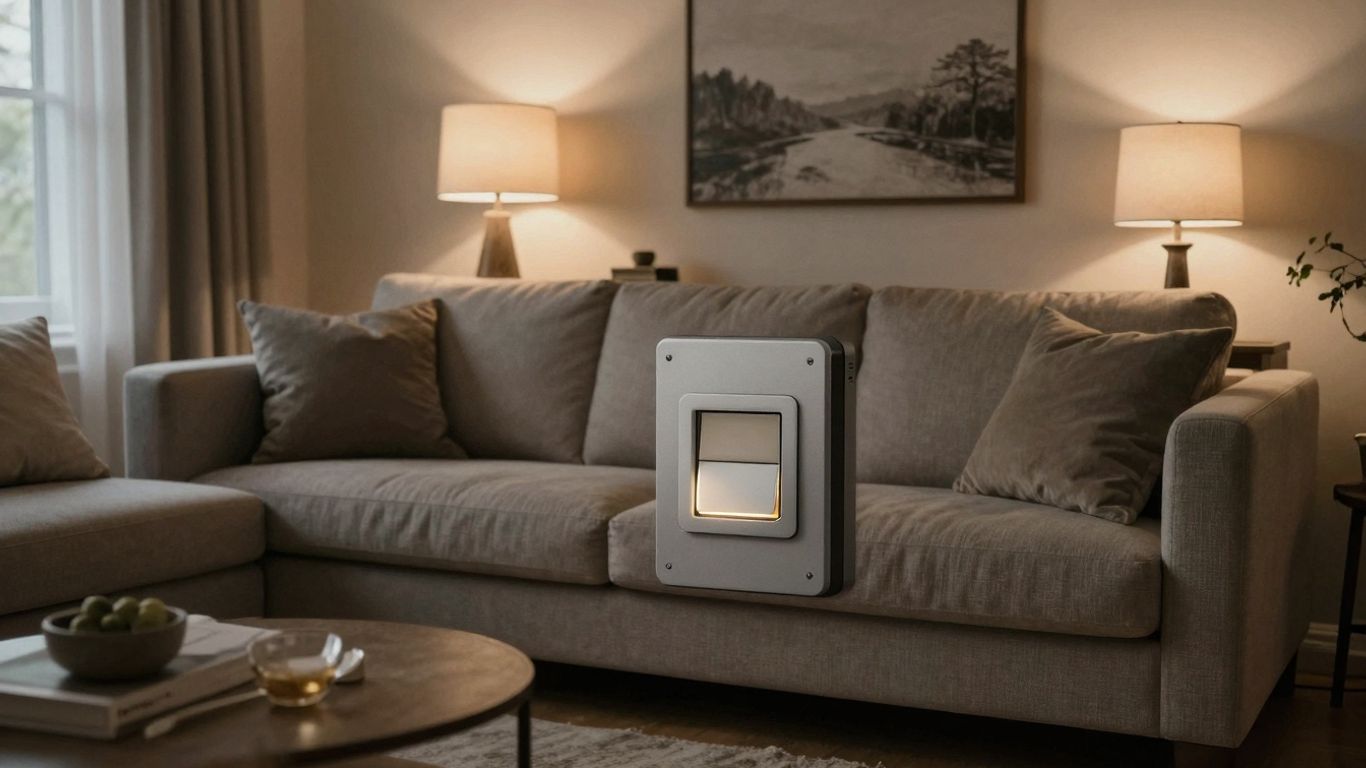
It's not just about having light; it's about having the right light for what you're doing. Dimmable LED bulbs give you that control, letting you switch from bright and functional to soft and cosy without a second thought. This flexibility means you can really make your spaces work harder for you.
Living Room Ambiance
Your living room is probably used for all sorts of things, right? Maybe you're reading a book, having a chat with friends, or settling down for a film. For reading, you'll want a good amount of light, perhaps around 800-1100 lumens, and a neutral to cool white colour temperature (around 3500K-4000K) can help with focus. But when it's movie time, you'll want to dim things down considerably. Using dimmable bulbs means you can create that perfect, relaxed atmosphere without needing separate lamps for every mood. You can adjust the brightness to avoid glare on the TV screen, making your viewing experience much more pleasant. For general relaxation, a warmer light (around 2700K-3000K) at a lower lumen level feels much more inviting. It's all about setting the scene.
Kitchen Task Lighting
In the kitchen, lighting needs to be practical. You need to see what you're doing, especially when preparing food. Bright, clear light is key here. Aim for a higher lumen output, perhaps in the 2000-4000 lumen range for the main kitchen lighting, and consider a cool white or daylight colour temperature (4000K-6500K) to help with visibility and concentration. However, even in the kitchen, dimming can be useful. Perhaps you want a softer light for evening meals at the dining table, or a gentler glow when you're just grabbing a midnight snack. Having dimmable options means your kitchen can be both a highly functional workspace and a pleasant area for socialising. Remember to check out elegant and functional lighting designs for inspiration.
Bedroom Relaxation
Bedrooms are all about winding down. Harsh, bright light isn't usually what you want when you're trying to relax or get ready for sleep. Warm white light (2500K-3000K) is generally best here, creating a cosy and calming environment. For general room lighting, around 450-800 lumens is often sufficient. You might want slightly brighter light near your bedside for reading, but the overall aim is comfort. Dimmable bulbs are perfect for this, allowing you to gradually lower the light as bedtime approaches. Some people even use smart bulbs to set schedules, so the lights dim automatically as it gets later. It’s a simple way to make your bedroom a true sanctuary.
Exploring Specialised LED Bulb Designs
Common Bulb Fittings Explained
So, you've decided to go with LED bulbs, which is a smart move. But did you know they come in more than just the standard screw-in type? It's true! The world of LED bulbs has really expanded, offering different shapes and sizes to fit all sorts of light fixtures. It's not just about swapping out an old bulb for a new one; it's about finding the right fit for your specific lamp or ceiling fitting.
Here are a few common types you might come across:
- Bayonet Cap (BC) Bulbs: These are really common here in the UK. They have a base with two pins that you push in and twist to lock. You'll find them in lots of standard lamps and ceiling lights.
- Edison Screw (ES) Bulbs: These are the ones you screw in, much like the old incandescent bulbs. They have a threaded base. The most common size is E27, but you might also see smaller E14 versions, often called 'mini-candelabra' or 'ses' (small Edison screw).
- GU10 Bulbs: You'll often see these in spotlights, especially in kitchens and hallways. They have two pins and a twist-and-lock mechanism, similar to bayonet bulbs but designed for specific fittings.
- Candle Bulbs: These are designed to look like a candle flame and are often used in decorative chandeliers or wall sconces. They usually come with either a bayonet or an Edison screw base.
Always double-check the base type of your existing bulb or fitting before you buy new LEDs. It's easy to get caught out if you don't, and you don't want to end up with a bulb that won't fit!
Vintage Charm With Dimmable Edison Bulbs
If you're after a bit of a retro vibe, dimmable Edison bulbs are a fantastic option. These bulbs are designed to look like the original incandescent Edison bulbs, with that distinctive filament visible inside. They're perfect for creating a warm, inviting atmosphere, especially in living rooms or dining areas.
What's great is that you can get them in LED form now. This means you get that classic vintage look without the high energy consumption and short lifespan of the old bulbs. Plus, because they're dimmable, you can really control the mood. You can have them bright enough for reading or dim them down low for a cosy, relaxed feel.
When choosing these, pay attention to the colour temperature. A warmer colour, usually around 2200K to 2700K, will give you that authentic vintage glow. Cooler colours just won't have the same effect.
Integrated LED Fixtures
Another thing to consider is fixtures that come with built-in LEDs. These are becoming more and more popular. Instead of a standard bulb that you can unscrew, the LED light source is permanently part of the fixture itself. This can be really neat for a few reasons.
For starters, manufacturers can design the fixture and the light source to work perfectly together. This often means a really sleek, modern look. You also don't have to worry about finding the right bulb type or compatibility issues, as the LED is already integrated.
However, there's a flip side. If the integrated LED fails, you can't just swap out the bulb. You might need to replace the whole fixture, or at least get a specialist to repair it. So, it's worth checking the warranty and the expected lifespan of the integrated LEDs when you're buying.
- Pros: Sleek designs, no need to buy separate bulbs, often very energy efficient.
- Cons: Can be harder to replace if the LED fails, might mean replacing the whole unit.
- Consider: Look for fixtures with long-life LEDs and good warranties.
Discovering Advanced LED Features
Beyond just basic illumination, LED technology has really moved on. We're not just talking about simple on-off anymore. There's a whole world of smarts and customisation available now that can genuinely change how you interact with your home's lighting.
Smart LED Bulbs For Modern Homes
These are the bulbs that connect to your home's Wi-Fi. Think of it as giving your lights a brain. You can control them using smartphone apps or even just your voice, which is pretty handy when you're comfy on the sofa. The real game-changer with smart bulbs is the level of control you get.
- Set schedules: Have your lights come on automatically when you get home or wake up.
- Remote control: Turn lights off from anywhere, even if you've forgotten to do it before leaving the house.
- Integration: Connect them with other smart home devices for automated routines.
Colour Changing Capabilities
Some LED bulbs go a step further by offering colour-changing options. These are often referred to as RGB (Red, Green, Blue) bulbs. By mixing these primary colours, they can produce millions of different shades. This means you can:
- Match your lighting to your decor.
- Create specific moods for different occasions – think a calming blue for relaxation or a vibrant red for a party.
- Sync your lights with music or movies for a more immersive experience.
It’s a fun way to add personality to your living space.
Beyond Basic Illumination
LEDs come in all sorts of shapes and sizes now, not just the standard screw-in type. You'll find them designed for specific fixtures, like GU10 bulbs common in spotlights, or candle bulbs often used in chandeliers. For those seeking a vintage aesthetic, you might even find dimmable Edison bulbs that combine retro charm with modern functionality. When looking at specialised LED bulbs, it's always worth checking the exact fitting type to make sure it's compatible with your existing lamp or fixture. It's not always as straightforward as just screwing it in!
The ability to fine-tune light levels isn't just about saving energy or making bulbs last longer; it's about creating a living space that truly works for you. From bright task lighting to a soft, ambient glow, dimmable LEDs offer unparalleled control over your home's atmosphere and functionality.
Making Your Fixtures Dimmable
So, you've got a light fixture, and you're wondering if you can dim it. It's not always as simple as just screwing in a different bulb, but often, it's totally doable. The main things to think about are the bulb itself and the switch you're using.
How To Know If A Light Fixture Is Dimmable
First off, have a look at the bulbs currently in your fixture. If they're old-school incandescent or halogen ones, chances are pretty good they're dimmable already. For newer LED or CFL bulbs, you'll need to check the packaging – it should clearly say if they're dimmable. Sometimes, the fixture itself might have a label or a model number you can look up online to see its specs. Integrated LED fixtures, where the LEDs are built-in, will usually state on the packaging or in the manual if they're dimmable.
- Check the bulb type: Are they incandescent, halogen, dimmable LED, or something else?
- Examine the fixture: Look for any labels or manufacturer information.
- Consult the manual: If you still have it, the fixture's manual is your best friend.
Upgrading Non-Dimmable Fixtures
If your current setup isn't dimmable, don't despair. Often, the easiest fix is to simply swap out the non-dimmable bulbs for dimmable ones. Make sure the new bulbs are compatible with your existing switch. If you're using LED bulbs, you'll definitely need to ensure they're labelled as dimmable. If you've got dimmable bulbs but the switch isn't a dimmer, then installing a compatible dimmer switch is the way to go. This is where you need to be a bit careful, especially with LEDs, as they need specific dimmer switches to avoid flickering or not dimming properly.
When you're upgrading, especially to LEDs, it's really important to match the bulb and the dimmer. Using the wrong combination can lead to all sorts of annoying issues, like buzzing sounds, flickering lights, or the dimmer not working at all. It's worth taking a moment to check the compatibility lists provided by bulb and dimmer manufacturers.
Choosing The Right Dimmer Switch
This is a big one, especially for LED light bulbs. Not all dimmer switches work with all types of bulbs. For traditional incandescent and halogen bulbs, most standard dimmer switches will do the job. However, for LED bulbs, you really need to look for a dimmer switch specifically designed for LEDs. These are often labelled as 'LED compatible' or 'ELV' (Electronic Low Voltage) or 'MLV' (Magnetic Low Voltage) depending on the type of LED driver your bulbs use. Using the wrong dimmer with LEDs can cause them to flicker, buzz, or not dim down very far. It's a good idea to check the dimmer switch's specifications for the minimum and maximum wattage it can handle, especially if you're only dimming a few low-wattage LED bulbs, as some dimmers won't work if the total load is too low.
Want to make your lights adjustable? It's easier than you think to get that perfect mood lighting. We'll show you how to make your fixtures dimmable, transforming your space with just a few simple steps. Ready to set the scene?
Wrapping Up: Getting Your Lighting Just Right
So, we've covered a fair bit about picking out dimmable LED bulbs. It's not just about swapping out old bulbs for new ones, is it? It's really about making your home feel exactly how you want it. Whether you're after a cosy vibe for movie nights or need bright light for getting things done, these bulbs give you that control. Just remember that bit about checking if your new bulbs will work with your existing dimmer switches – that's a big one to get right. It might seem like a lot to think about at first, but honestly, choosing the right bulbs can make a real difference to your place. Give it a go, and you might be surprised at how much better your home feels. Happy lighting!
Frequently Asked Questions
What makes an LED bulb 'dimmable'?
A dimmable LED bulb is specially designed so its brightness can be adjusted. Unlike regular LEDs that are just on or off, these have special parts inside that let them work with dimmer switches. You'll see 'dimmable' written on the box, which is a good sign.
Will any dimmer switch work with dimmable LED bulbs?
Not always! Older dimmer switches made for old-fashioned bulbs might not work well with LEDs. They can cause flickering or buzzing. It's best to check if your dimmer switch is designed for LEDs, or you might need to get a new one that is compatible.
How do I know how bright an LED bulb is?
Instead of watts, which tell you how much energy it uses, look for 'lumens' on the box. More lumens mean a brighter bulb. For example, 800 lumens is like a standard old 60-watt bulb, good for general lighting.
Can I make my normal light bulbs dimmable?
If your light fixture has normal screw-in bulbs, you can often make it dimmable by simply swapping the old bulbs for new dimmable LED bulbs and installing a compatible dimmer switch. Some fixtures with built-in LEDs are already dimmable, but you need to check their specs.
What's the difference between warm white and cool white LED bulbs?
Warm white bulbs (around 2700-3000K) give off a cosy, yellowish light, like a traditional bulb, which is great for relaxing areas. Cool white bulbs (around 4000-5000K) give off a brighter, bluer light that's good for tasks like reading or working, as it helps you focus.
What are smart LED bulbs?
Smart LED bulbs are a bit like magic! They connect to your home's Wi-Fi, so you can control them with an app on your phone or even with your voice. You can change their brightness, colour, and even set them to turn on or off automatically, all without leaving your seat.

