

Switching to LED Lights: Replacing Your Halogen Bulbs Explained
So, you're thinking about ditching those old halogen bulbs for something a bit more modern, like LEDs? Smart move. It might sound like a big job, but honestly, switching to LED lights replacing halogen bulbs is pretty straightforward. We'll walk you through why it's a good idea and exactly how to do it, making sure you don't end up with a wonky light or a blown fuse. Let's get those old bulbs out and the new, better ones in.
Key Takeaways
- LED lights replacing halogen bulbs save a lot of energy, which means lower electricity bills for you.
- LEDs last much, much longer than halogen bulbs, so you won't be changing them all the time.
- When picking new LED bulbs, make sure the shape and the base match your old halogen bulb.
- Check if your new LED bulbs are dimmable and if any transformers you use are compatible.
- Always turn off the power and let the old bulb cool down before you start replacing it.
Understanding The Benefits Of LED Lights Replacing Halogen Bulbs
So, you're thinking about ditching those old halogen bulbs for some snazzy new LED ones? Good move! It's not just about having the latest tech; there are some really solid reasons why this switch makes sense, both for your wallet and for the planet.
Energy Efficiency And Cost Savings
Let's get straight to the point: LEDs are incredibly good at using electricity. They use way less power than halogen bulbs to produce the same amount of light. We're talking about using around 75% less energy. This means your electricity bill will see a noticeable drop, especially if you've got a lot of lights on the go. Over time, this saving really adds up, making the initial cost of LED bulbs seem much less daunting. It's a simple equation: less energy used equals less money spent.
Extended Lifespan And Durability
Another massive win for LEDs is how long they last. Halogen bulbs might give you a couple of thousand hours of light, but LEDs can go for 20,000 hours or even much, much more. Some are rated for up to 100,000 hours! Imagine not having to think about changing light bulbs for years, maybe even over a decade, depending on how much you use them. This means fewer trips to the shop and less hassle. Plus, LEDs are generally more robust than fragile halogen bulbs, making them a more durable choice.
Environmental Advantages
Switching to LEDs is also a kinder choice for the environment. Because they use so much less energy, they help reduce the demand on power plants, which in turn lowers carbon emissions. Unlike some older types of bulbs, LEDs don't contain harmful materials like mercury, which makes them safer to handle and dispose of. It’s a small change in your home, but if everyone makes it, the collective impact is pretty significant. You can find a wide range of led light bulbs uk to suit your needs.
While the upfront cost of an LED bulb can be higher than a halogen one, the savings on energy bills and the extended lifespan mean they are far more economical in the long run. It's an investment that pays for itself.
Here's a quick look at how they stack up:
- Energy Use: LEDs use significantly less electricity.
- Lifespan: LEDs last many times longer than halogens.
- Environmental Impact: Lower energy consumption and no hazardous materials.
- Durability: LEDs are generally more resistant to shock and vibration.
Choosing The Correct LED Bulb For Your Fixture
Right then, so you've decided to make the switch to LED bulbs, which is a cracking choice. But before you go grabbing any old bulb off the shelf, we need to make sure you pick the right one for your existing light fittings. It's not just about grabbing a 'smart bulb' or any old 'range light bulbs'; there are a few things to get your head around to avoid disappointment. Getting this bit right means your new LED light bulbs UK will fit perfectly and work as they should.
Matching Bulb Shape and Base Type
This is probably the most important bit. You can't just shove any old LED into any old socket. Halogen bulbs come in all sorts of shapes and sizes, and so do their bases. You need to match the base type of your new LED bulb to the fitting in your light fixture. The most common types you'll come across are:
- E27 (Edison Screw): This is the classic screw-in type, the one most people think of when they picture a light bulb. It's measured by its diameter in millimetres, so an E27 is 27mm wide.
- E14 (Small Edison Screw): Similar to the E27 but smaller, often found in smaller lamps or decorative fittings.
- GU10: These are the twist-and-lock bulbs, often seen in spotlights or downlights. They have two pins that you twist into the fitting.
- MR16 (Bi-Pin): These also have pins, but they're usually for lower voltage systems (like 12V halogen replacements) and push straight in.
Take a look at your old halogen bulb. What kind of base does it have? Is it a screw or does it have pins? Note down the type and size. You'll then need to find an LED bulb with the exact same base. Most packaging will clearly state the base type, so just match it up. It's like finding the right key for a lock, really.
Understanding Lumens, Kelvin, and Beam Angle
Once you've got the base sorted, you need to think about the light itself. This is where lumens and Kelvin come in.
- Lumens (lm): This tells you how bright the bulb is. Forget wattage for a moment; that's just about energy use. Lumens are the actual measure of light output. If your old halogen was, say, 50W and gave you a certain brightness, you'll want an LED with a similar lumen output. For example, a 50W halogen might be around 600-700 lumens, but an LED might only use 8-10W to achieve the same brightness. More lumens means a brighter light.
- Kelvin (K): This is all about the colour of the light. It's often called 'colour temperature'.
- Beam Angle: This describes how wide the light spreads out. A narrow beam angle (e.g., 30-45 degrees) is good for spotlights, focusing the light on one area. A wider beam angle (e.g., 90-120 degrees) is better for general room lighting, spreading the light more evenly.
Considering Dimmability and Transformer Compatibility
This is where things can get a bit tricky, especially if you have dimmer switches or low-voltage halogen bulbs.
- Dimmability: Not all LED bulbs are dimmable. If you have dimmer switches on your walls, you absolutely must buy LED bulbs that are specifically labelled as 'dimmable'. If you try to dim a non-dimmable LED, it might flicker, buzz, or even get damaged. Some older dimmer switches might also need to be replaced with LED-compatible ones for the best results.
If your existing halogen bulbs are dimmable, you'll need to find LED replacements that are also dimmable. Check the packaging carefully for this feature. Trying to dim non-dimmable LEDs can lead to poor performance or even damage to the bulb and dimmer switch.
- Transformer Compatibility (for 12V Halogens): If you're replacing low-voltage 12V halogen bulbs (often found in spotlights or under-cabinet lighting), these usually run off a transformer. Transformers are designed to handle a certain power load. Because LEDs use so much less power than halogens, an old transformer might not 'see' the LED bulb and might not work correctly, or it could even be damaged. In some cases, you might need to replace the transformer with an LED-specific one, or choose LED bulbs that are designed to work with existing transformers. Some newer LED bulbs are quite clever and can handle this, but it's worth checking the bulb's specifications or asking for advice.
A Step-By-Step Guide To Replacing Halogen Bulbs With LEDs
So, you've decided to make the switch to LED bulbs, which is a smart move. Replacing your old halogen bulbs with these new, energy-efficient ones is actually pretty straightforward. You don't need to be an electrician or anything. Just follow these steps, and you'll have your new LED light bulbs uk installed in no time.
Prioritising Safety: Power Off And Cool Down
First things first, safety is key. You don't want any nasty shocks or burns, do you? So, before you even think about touching a bulb, make sure the power to the light fitting is completely switched off. Find the light switch and flick it off. If it's a circuit you're unsure about, it's best to go to your fuse box and switch off the relevant breaker. Halogen bulbs get incredibly hot when they're on, so give them a good 10-15 minutes to cool down after you've turned off the power. Seriously, they can be like little mini-ovens, and you don't want to be grabbing a scorching hot bulb.
Carefully Removing The Old Halogen Bulb
Once everything's safe and cool, it's time to get the old bulb out. Most halogen bulbs are either screw-in or push-and-twist types. For screw-in bulbs, just gently turn it counter-clockwise until it comes out. If it's a pin-type bulb, like those often found in spotlights, you might need to gently pull it straight out or give it a slight twist and pull. Be gentle here; you don't want to break the glass. It's also a good idea to have a cloth or glove handy, just in case it's a bit fiddly.
Installing Your New LED Bulb
Now for the exciting part – putting in your new LED bulb! Before you do, have a quick look at the fitting on your light fixture and compare it to your new LED bulb. They should match perfectly. For screw-in types, simply align the LED bulb with the socket and screw it in clockwise until it feels snug. Don't overtighten it, though; just firm is fine. For pin-type bulbs, line up the pins with the holes in the socket and push it in gently until it clicks or feels secure. If you're replacing a 12V halogen bulb, you might have a transformer in the circuit. Most modern LEDs are fine with these, but it's worth checking the packaging or the bulb's specs, especially if you have an older transformer. Some older electronic transformers can cause issues with LEDs.
Testing The New LED Installation
With your new LED bulb nicely in place, it's time to see if it works. Go back to your light switch or the breaker you turned off earlier and switch the power back on. If all has gone well, your new LED bulb should light up. If it doesn't, don't panic. Double-check that the bulb is seated correctly in the fitting and that the power is definitely on. Sometimes, a bulb might just be faulty, or there could be an issue with the fixture itself, but usually, it's just a matter of making sure it's properly connected. Congratulations, you've successfully upgraded your lighting!
Special Considerations For Specific Applications
Replacing 12V Halogen Bulbs
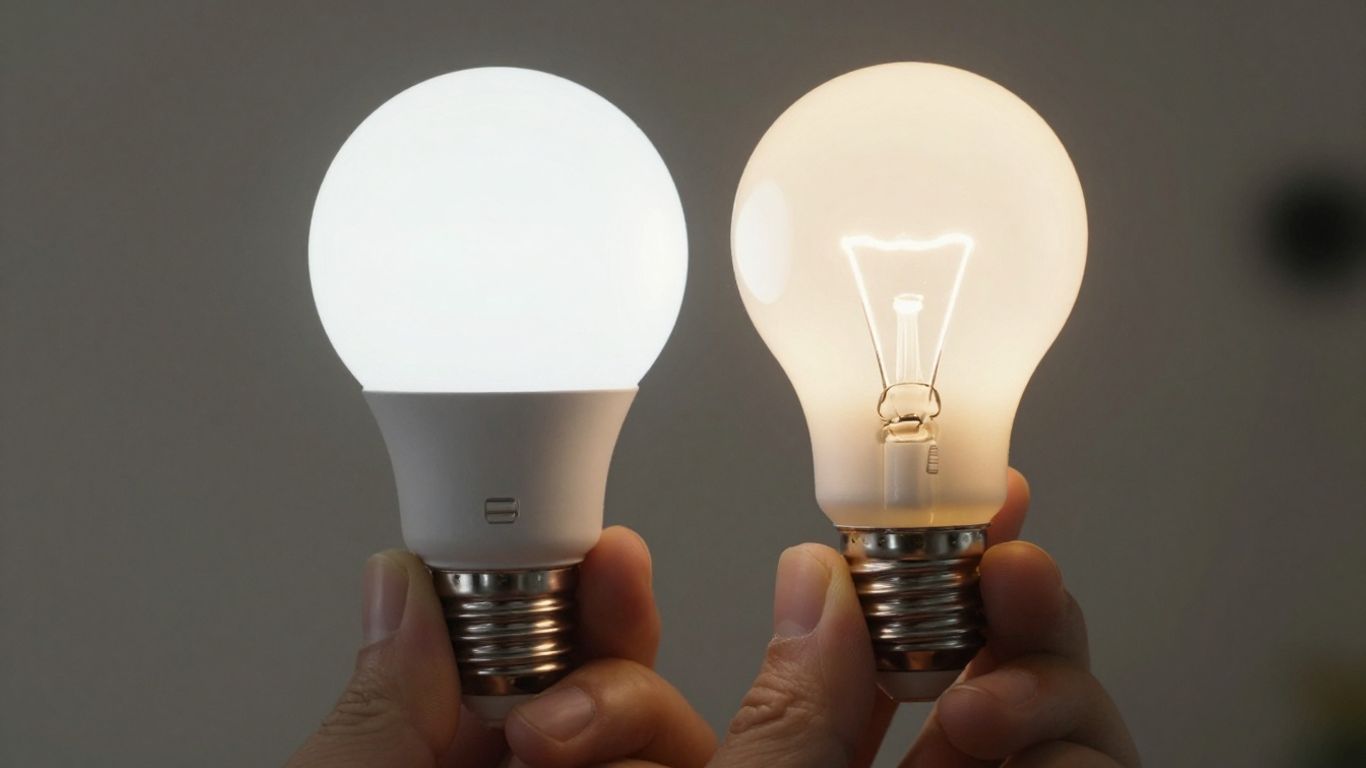
Swapping out those old 12-volt halogen bulbs for LEDs can be a bit of a puzzle, especially when it comes to the transformer. Because LEDs sip power compared to their halogen cousins, some older transformers just aren't designed to handle the low load. This can lead to flickering or the LED not lighting up at all. It's not always a simple plug-and-play situation. You might need to check if your existing transformer is compatible with LEDs, or you might have to swap it out for a new one specifically designed for low-voltage LED systems. Some newer LED bulbs are made to work directly with existing 12V systems, but it's always worth double-checking the product details.
- Transformer Compatibility: Ensure your existing 12V transformer can handle the low power draw of LEDs.
- Flickering Issues: If you notice flickering, it's often a sign of transformer incompatibility.
- Direct Replacement LEDs: Look for LEDs specifically advertised as direct replacements for 12V halogen bulbs.
LED Headlight Bulb Conversions
Converting your car's headlights from halogen to LED is a popular upgrade, but it's not as straightforward as changing a household bulb. The main challenge is often fitting the LED bulb and its associated driver (the bit that regulates power) into the confined space of the headlight housing. You also need to make sure the beam pattern is correct; a poorly aimed LED headlight can dazzle oncoming drivers, which is not only dangerous but also illegal. Many kits come with specific adapters and instructions to help with installation, but it's a job that requires a bit of care and attention to detail.
Adapters And Transformers For LED Use
When you're making the switch to LEDs, especially in older fixtures or specific low-voltage setups, you'll often come across the need for adapters or new transformers. For instance, if you're replacing a halogen bulb with a different base type, an adapter might be necessary to make it fit. In 12V systems, as mentioned, a transformer designed for LEDs is key. These aren't just simple connectors; they're designed to provide the correct, stable power supply that LEDs need to function properly and last their full lifespan. Getting the right adapter or transformer is just as important as choosing the correct LED bulb itself.
It's easy to think that all bulbs are the same, but when you're dealing with different voltages and fittings, things get a bit more complicated. Don't just assume a new LED bulb will work perfectly in an old fitting without a second thought. A little research upfront can save you a lot of hassle later on.
When using our products for special jobs, it's good to know a few extra things. We've put together some helpful tips for different uses. Want to see how our lights can be used in unique ways? Visit our website to explore more.
So, What's the Verdict?
Right then, we've gone through why switching to LEDs makes sense, how to actually do it, and what to look out for. It’s pretty clear that swapping out those old halogen bulbs for LEDs is a smart move. You'll save a good chunk of cash on your electricity bills, and it's a bit kinder to the planet too, which is always a bonus. Plus, they last ages, meaning fewer trips to the shop for replacements. The actual swap is dead simple, just remember to turn off the power first and let the old bulbs cool down. So, go on, give it a go. Your wallet and the environment will thank you for it.
Frequently Asked Questions
Why should I switch from halogen bulbs to LEDs?
Switching to LEDs is a smart move because they use way less electricity than halogen bulbs, saving you money on your energy bills. Plus, they last much, much longer, so you won't be changing them as often. They're also better for the environment because they don't use as much power and don't contain harmful stuff like mercury.
How do I know which LED bulb will fit my lamp?
It's pretty simple! You just need to check the base of your old halogen bulb. It usually has a letter and number on it, like 'E27' for a screw-in type or 'GU10' for a pin type. Then, you just buy an LED bulb with the exact same base. Taking your old bulb with you to the shop is a good idea to make sure you get the right one.
Are all LED bulbs dimmable?
Not all of them, unfortunately. Some LEDs are made to work with dimmer switches, but others aren't. You'll need to check the packaging carefully to see if it says 'dimmable'. If you're not sure, it's best to ask someone at the shop or look for specific dimmable LED bulbs.
Do I need a special transformer for LED bulbs?
If your halogen bulbs use a transformer (often for things like spotlights in the ceiling), you might need a new one for LEDs. Some older electronic transformers don't work well with LEDs because LEDs use so much less power. Regular transformers usually work fine, but it's worth checking if your current transformer is compatible with LEDs, or you might need to get an LED-specific one.
How do I safely change a halogen bulb to an LED?
Safety first! Always switch off the power at the mains before you start. Halogen bulbs get really hot, so let the old one cool down completely before you try to take it out. Once it's cool, gently unscrew or pull out the old bulb and then carefully screw or push in the new LED bulb. Finally, switch the power back on to test it.
Are LED bulbs more expensive than halogen ones?
Yes, LED bulbs usually cost a bit more to buy at first. However, because they save so much energy and last for a really long time, they end up being much cheaper in the long run. You'll save money on your electricity bill and won't have to buy new bulbs as often.

