

Transform Your Home with Stylish Interior Lighting Wall Solutions
Thinking about changing up your home's look? Sometimes, the simplest way to make a big difference is with interior lighting wall solutions. These aren't just about brightness; they're about setting moods, highlighting features, and making your space feel just right. From sleek sconces to clever picture lights, there's a whole world of options out there to explore. Let's take a look at how interior lighting walls can really transform a room.
Key Takeaways
- Wall lights, or sconces, are super flexible and can be used in almost any room to add light and style. They're great for hallways, living rooms, bedrooms, and bathrooms.
- Think about layering your lights – you need general light, light for tasks like reading, and light to show off cool things. Wall lights are a big part of making this happen.
- Choosing the right style of wall light is important. It should match your home's overall look, whether that's modern, traditional, or something else.
- You can get wall lights that plug into the wall, which is handy if you don't want to do wiring. Just be careful with bathrooms and water, though.
- Using dimmer switches or smart controls with your interior lighting wall fixtures means you can easily change the mood of a room whenever you want.
Enhancing Spaces With Interior Lighting Wall Solutions
When you think about lighting up a room, your mind might jump straight to ceiling lights or maybe a nice floor lamp. But don't forget about the walls! Interior lighting wall solutions are a bit of a hidden gem. They can completely change how a space feels, adding both style and practical light where you need it most. Wall lights are incredibly versatile and can be used in almost any room to create different moods and functions.
The Versatility of Wall Sconces
Wall sconces are probably the most common type of wall light, and for good reason. They're not just about looking pretty; they do a lot of work. You can use them to guide people down a hallway, making sure no one trips in the dark. In a living room, a couple of well-placed sconces can cast a soft glow that's perfect for relaxing evenings, or they can highlight a favourite piece of art. Beside a bed, they free up your bedside table, which is always a win, and in a bathroom, they can provide even light for getting ready in the morning.
- Hallways: Illuminate narrow paths and add a decorative touch.
- Living Rooms: Create ambient light or draw attention to features.
- Bedrooms: Offer reading light without cluttering surfaces.
- Bathrooms: Provide balanced light for grooming tasks.
Choosing the Right Style of Wall Light
Picking the right wall light isn't just about where it goes; it's about what it looks like. Think about the overall look of your home. Are you going for something modern and sleek, or more traditional and cosy? There are so many designs out there, from minimalist metal fixtures to ornate glass ones. It's worth spending a bit of time looking at different styles to see what fits best with your furniture and decor. You want the light to complement your room, not fight with it.
The right wall light can be a subtle yet impactful addition to your home's design. It's about finding that sweet spot between form and function, making sure the fixture looks good even when it's not switched on.
Layering Light for Ambiance
Good lighting isn't usually just one type of light. It's about mixing different sources to create layers. Wall lights are brilliant for this. They can provide that general background light (ambient lighting), or you can use specific ones, like a swing-arm light, for reading (task lighting). Then there's accent lighting, which is great for drawing attention to things like paintings or interesting architectural details. By combining these different types, you can create a really warm and inviting atmosphere that feels just right, no matter what you're doing.
Strategic Placement Of Interior Lighting Walls
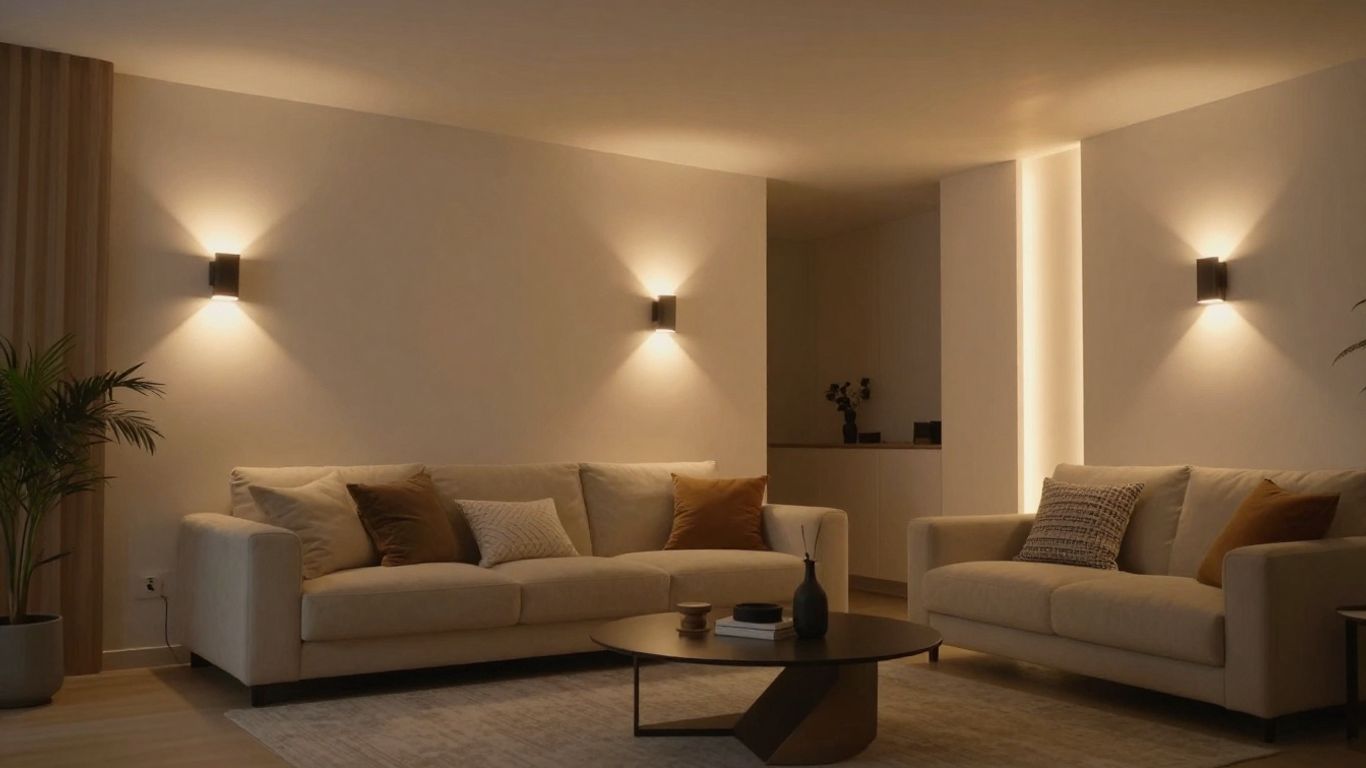
Thinking about where to put your wall lights is a big part of making them work well in your home. It's not just about sticking them up anywhere; it's about how they can actually help you use your rooms better and make them feel nicer. Getting the placement right means you can light up dark corners, make reading easier, or just create a cosy vibe.
Illuminating Hallways And Corridors
Hallways and corridors often get overlooked, but they can be transformed with the right lighting. Placing wall lights along a long hallway can make it feel more welcoming and less like a tunnel. They also help with safety, making sure you can see where you're going, especially if you're carrying things.
- Even Spacing: Aim for lights spaced about 6-8 feet apart for consistent illumination.
- Height Matters: Mount them at eye level, typically around 5.5 to 6 feet from the floor.
- Directional Light: Consider lights that cast light upwards and downwards to create a softer glow and highlight the wall texture.
Dark hallways can feel a bit gloomy. Adding wall lights, even just a couple, can make a huge difference to the overall feel of your home, making it more inviting from the moment someone steps inside.
Creating Ambiance In Living Rooms
Living rooms are where we relax, entertain, and spend a lot of our time, so the lighting needs to be flexible. Wall lights are brilliant for this. You can use them to highlight artwork, create a warm glow in the evening, or provide enough light for reading without needing a big overhead lamp.
- Reading Nooks: Place swing-arm sconces beside armchairs or sofas for directed reading light.
- Accent Features: Use smaller spotlights or picture lights to draw attention to artwork or decorative shelves.
- Ambient Glow: Install uplighters to bounce light off the ceiling, creating a soft, diffused light that fills the room.
Functional Lighting For Bedrooms And Bathrooms
In bedrooms, wall lights can be a real space-saver. Instead of bedside tables cluttered with lamps, wall-mounted lights free up surface area and can be positioned perfectly for reading. In bathrooms, good lighting is key for tasks like grooming. Sconces on either side of a mirror provide even light, reducing shadows on your face. For bathrooms, especially those with higher moisture, always check that the lights are rated for damp or wet areas.
- Bedroom Task Lighting: Mount bedside sconces at a height that allows comfortable reading when seated or lying down.
- Bathroom Mirror Lighting: Position lights at mirror height, ideally on both sides, to ensure even facial illumination.
- Moisture Resistance: For bathrooms, look for IP ratings (Ingress Protection) suitable for the specific zone within the bathroom (e.g., IP44 for general bathroom use, higher for areas near the shower).
Exploring Different Types Of Interior Lighting Walls
While a grand ceiling fixture might grab your attention first, don't underestimate the power of wall lights. These often-overlooked fixtures are incredibly versatile and can really change how a room feels. They're not just about brightness; they add character and can be used in so many ways to make your home look and feel better. Let's look at some of the popular kinds you'll find.
The Elegance Of Swing Arm Wall Lights
Swing arm wall lights are brilliant for when you need light exactly where you want it, but don't want a big, clunky lamp taking up space. Think of them as super flexible reading lights next to your bed or a comfy armchair. They attach to the wall and have an arm that you can move around, so you can direct the light precisely. This means no more squinting or disturbing someone else with a bright overhead light when you're trying to read.
- Adjustability: The main draw is being able to move the light source.
- Space-saving: They mount directly to the wall, freeing up floor and surface space.
- Style: Available in many designs, from modern minimalist to more traditional looks.
These lights are fantastic for smaller rooms or areas where you want to keep things tidy and uncluttered. They offer a focused beam of light that's perfect for tasks without overwhelming the entire space.
Picture Lights For Artful Illumination
If you have artwork you love, picture lights are the way to go. These are long, slim lights that mount directly above a painting or photograph. Their job is to shine a gentle, even light onto your art, making it stand out and look its best. They stop shadows from forming on the artwork and really bring it to life, especially in the evening. You can get them in different finishes to match your decor, and some even have adjustable heads so you can fine-tune the lighting angle.
Library Lights For Focused Tasks
Library lights, also known as task lights, are designed for areas where you need clear, concentrated light. While they might sound like they belong in a study, they're useful anywhere you do detailed work. This could be a kitchen counter, a craft area, or even a workbench. They typically provide a strong, direct beam of light. Some library lights are mounted above cabinets, while others might be the swing-arm type we just talked about, but with a more powerful bulb. They're all about making sure you can see what you're doing without straining your eyes.
- Purpose: Primarily for focused activities like reading, writing, or detailed hobbies.
- Light Quality: Usually a brighter, more directed light than ambient fixtures.
- Placement: Ideal above desks, kitchen worktops, or craft stations.
Achieving Balanced Illumination With Wall Lights
Getting the lighting right in your home is more than just screwing in a few bulbs; it's about creating a mood and making spaces work for you. Wall lights are brilliant for this because they don't just add light, they add character. Think of it like painting with light – you need different shades and intensities to make the picture complete.
Ambient, Task, And Accent Lighting Explained
To really get a handle on lighting, it helps to know the three main types. Ambient lighting is the general, overall light in a room. It's what you use when you first walk in, the basic glow that makes the space visible. Then there's task lighting, which is more focused. This is the light you need for specific activities, like reading a book or chopping vegetables. Finally, accent lighting is all about highlighting. It's used to draw attention to artwork, architectural features, or even a particularly nice plant. Getting a good mix of these three is the secret to a well-lit home.
How Wall Lights Contribute To Layered Lighting
Wall lights are fantastic for building up these layers of light. A pair of sconces flanking a fireplace can provide ambient light while also drawing the eye to the hearth. A swing-arm wall light next to your favourite armchair is perfect task lighting, letting you direct the beam exactly where you need it for reading. And those slim picture lights? They're pure accent lighting, making your favourite artwork pop. You can even find some lovely farmhouse wood chandeliers that work well with wall lights to create a warm, inviting atmosphere.
The Role Of Dimmer Switches And Smart Controls
Now, to really fine-tune your lighting, you need controls. Dimmer switches are your best friend here. They let you adjust the brightness of your wall lights, so you can go from bright and functional for cleaning to a soft, cosy glow for an evening in. Smart controls take this even further, allowing you to set schedules, control lights with your voice, or even change the colour temperature of your smart bulbs. It means your lighting can adapt to your life, not the other way around.
Using a combination of different light sources, including wall lights, is key. Don't rely on just one overhead fixture. Think about how light falls in a room and where you need it most. This thoughtful approach makes a huge difference to how a space feels and functions.
Integrating Interior Lighting Walls Into Your Decor
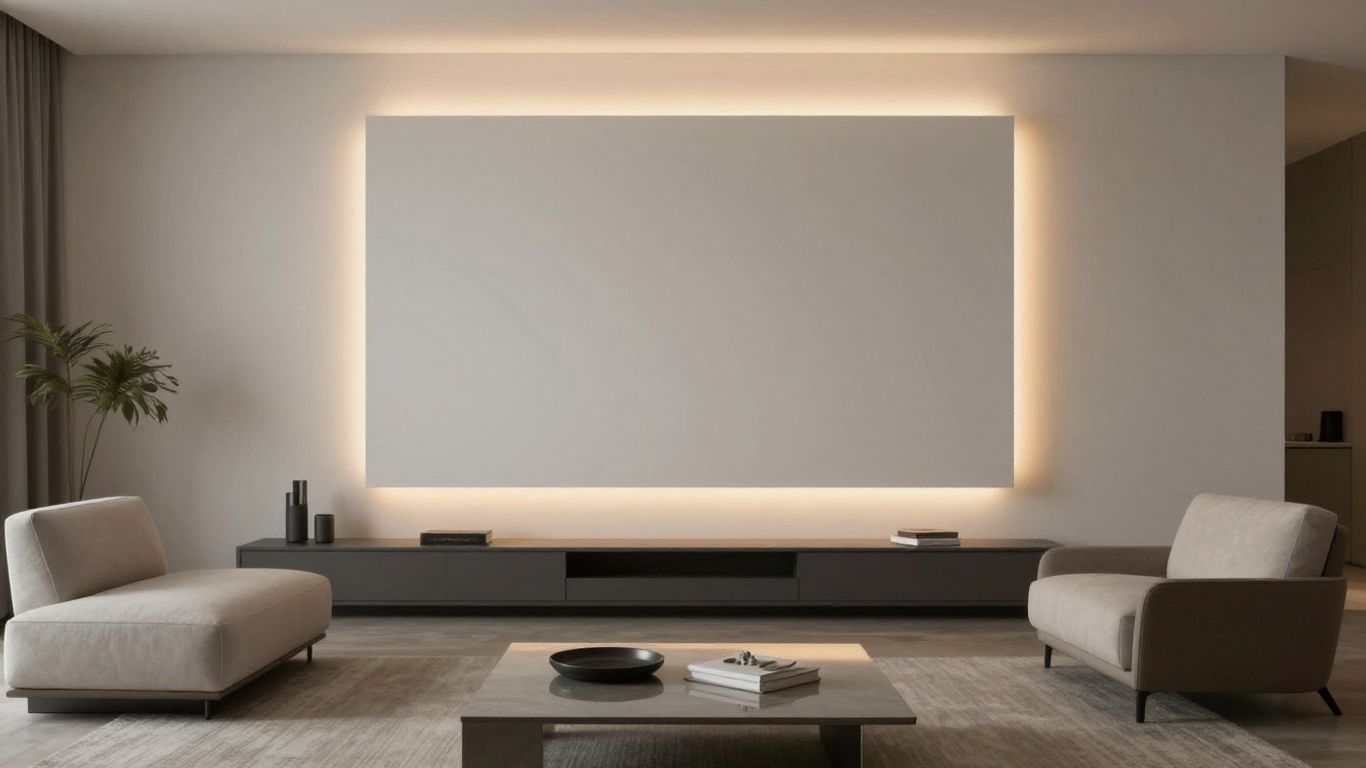
So, you've picked out some cracking wall lights, but how do you make sure they actually fit in with the rest of your place? It's not just about sticking them up and hoping for the best, you know. Think of them as another bit of furniture or a decorative item – they need to play nicely with everything else.
Matching Wall Lights To Your Interior Style
This is where you really get to show off your personal taste. Your wall lights should feel like they belong. If you've got a really modern, minimalist home, you'll probably want something sleek and simple. Think clean lines, maybe brushed metal or a plain white finish. Nothing too fussy.
On the other hand, if your home is more traditional or has a bit of a vintage vibe, you can go for something with more character. Think ornate details, maybe a bit of brass or dark iron, or even a fabric shade that adds a bit of softness. It's all about creating a consistent look and feel.
- Modern/Minimalist: Look for geometric shapes, simple finishes (chrome, brushed nickel, matte black), and unfussy designs.
- Traditional/Classic: Consider designs with curves, decorative elements, and materials like brass, bronze, or dark wood.
- Industrial: Think exposed bulbs, metal cages, and raw finishes like concrete or distressed iron.
- Bohemian/Eclectic: Don't be afraid of unique shapes, colourful shades, or mixed materials.
Don't feel like everything has to be a perfect match. Sometimes, a slight contrast can be really interesting, as long as it feels intentional and complements the overall scheme.
Using Wall Lights To Highlight Architectural Features
Got a cool fireplace? A nice bit of moulding? Or maybe some interesting brickwork? Wall lights are brilliant for drawing attention to these bits of your home that you're proud of. You can position them to cast light onto a textured wall, making the most of its character. Or, place them either side of a doorway or a piece of art to make that feature stand out.
It's a bit like using a spotlight, but much more subtle and stylish. You're not just lighting the room; you're using light to tell a story about your home's best bits.
Decorative Wall Lights As Statement Pieces
Sometimes, a wall light isn't just about the light it gives off; it's about the light it is. Think of them as wall art. You can get some really amazing designs out there that are sculptures in their own right. These are the pieces that will get people talking when they come over.
These statement lights work best when they have a bit of space around them so they can really be seen. They can be a great way to add a splash of personality to a hallway or a living room. Just make sure the style of the decorative light fits with the general feel of the room, even if it's meant to be a focal point. You don't want it to look completely out of place, unless that's the exact look you're going for, of course!
Practical Considerations For Interior Lighting Walls
Wired Versus Plug-In Wall Light Options
When you're thinking about putting up wall lights, one of the first things to sort out is how they'll get their power. You've got two main routes here: wired-in fixtures or the simpler plug-in kind. Wired lights, like many sconces, connect directly to your home's electrical system. This usually means hiring an electrician, which can add to the cost and planning, but it gives a really clean, built-in look with no visible cords. It’s the way to go if you want that permanent, polished finish.
On the other hand, plug-in wall lights are much more straightforward. You just screw them into the wall, often with a simple bracket, and then plug the cord into a nearby socket. This is a great option if you're renting, or if you're not keen on major electrical work. You can also move them around more easily if you decide to redecorate. Just make sure the cord can be tidied away neatly so it doesn't become a trip hazard or spoil the look you're going for.
| Feature | Wired Wall Lights | Plug-In Wall Lights |
|---|---|---|
| Installation | Requires professional electrician, permanent | DIY friendly, can be moved |
| Aesthetics | Clean, integrated look, no visible cords | Cord may be visible, can be managed with clips |
| Cost | Higher initial cost due to labour | Lower initial cost, no electrician fees |
| Flexibility | Limited repositioning once installed | Easy to relocate or change |
| Power Source | Directly from mains electrical supply | Standard wall socket |
Safety And Moisture-Proofing For Bathrooms
Bathrooms are a bit different, aren't they? All that steam and water means you need to be extra careful with your lighting choices. For any light fitting in a bathroom, especially near the shower or bath, you need to make sure it's rated for damp or wet areas. This is usually shown by an IP (Ingress Protection) rating. For zones close to water, you'll want a higher IP rating, like IP44 or even higher, to keep things safe. It's not just about avoiding electric shocks; it's about making sure the light fitting itself doesn't get damaged by moisture over time. Think about lights around the vanity mirror – they need to be bright enough for grooming but also safe to use in a steamy environment. Even ceiling lights need to be suitable for bathroom conditions.
Professional Design Advice For Lighting Projects
Sometimes, trying to figure out the best lighting for your home can feel a bit overwhelming. There are so many options, and getting it wrong can make a room feel flat or just not quite right. That's where getting some professional advice can really make a difference. A lighting designer or even an interior designer who specialises in lighting can look at your space, understand how you use it, and suggest the perfect wall lights, bulbs, and placement. They know about things like colour temperature of bulbs (warm white versus cool white), how different light levels affect mood, and how to make sure you've got enough light for tasks without making the room feel like an operating theatre. They can also help you avoid common pitfalls, like placing lights where they create glare or shadows, or choosing fixtures that don't quite fit the room's style. It's an investment, sure, but it can save you a lot of hassle and lead to a much better result in the end.
Don't underestimate the impact of the right bulb. The type of bulb you choose – whether it's a standard incandescent, a more energy-efficient LED bulb, or a smart bulb that you can control with your phone – will significantly affect the light's colour, brightness, and how much energy it uses. Always check the bulb type recommended for your fixture and consider how its characteristics will fit the room's purpose.
Thinking about how to light up your walls inside? It's more than just picking a bulb; it's about creating a mood and making your space look its best. Getting the lighting right can totally change how a room feels, making it cosy or bright and lively. We've got loads of ideas to help you make your walls shine. Want to see how different lights can transform your home? Check out our range of lighting solutions on our website!
Bringing It All Together
So, there you have it. Wall lighting isn't just about seeing where you're going; it's a proper way to give your home a bit of personality. Whether you're after a cosy reading nook or a bright space for entertaining, the right wall lights can make a big difference. Don't be afraid to mix and match different types, and remember that even small changes can really transform a room. Have a look around, think about what you need, and start planning your own stylish lighting setup. It’s a simple step that can really make your home feel more like you.
Frequently Asked Questions
What are interior lighting wall solutions?
These are lights that you fix to your walls inside your home. They can be used to make rooms look nicer, help you see better for certain tasks, or create a cosy mood. Think of them as stylish ways to add light without using floor or table lamps.
What's the difference between wall sconces and other wall lights?
Wall sconces are a type of wall light that often attach directly to the wall and can shine light upwards, downwards, or both. Other wall lights might have arms that extend out, like swing arm lights, or be small spotlights for pictures.
How do I choose the best wall lights for my room?
Think about what you'll use the room for. Do you need bright light for reading, or a soft glow for relaxing? Also, consider the style of your room – do you want something modern, classic, or rustic? It's often best to have a mix of different lights.
Can I install wall lights myself?
Some wall lights, called plug-in lights, are easy to install yourself as they just plug into a socket. Others need to be wired into your home's electricity, which is usually best left to a qualified electrician to make sure it's safe.
What is 'layered lighting' and how do wall lights help?
Layered lighting means using different types of light in a room. This includes general light (ambient), light for tasks (task), and light to highlight things (accent). Wall lights are great for adding task lighting, like by a bed, or accent lighting, like on a piece of art, helping to create a well-lit and interesting space.
Are there special wall lights for bathrooms?
Yes, bathrooms need lights that can handle moisture. Look for lights with an 'IP rating', like IP44, which means they are protected against water splashes. Lights on either side of a bathroom mirror are also popular for good grooming light.

