

Transform Your Space: Achieving Perfect Ambient Lighting in the Living Room
So, you want to make your living room feel just right? It's not just about the sofa or the TV, you know. Lighting plays a massive part in how a room feels. We're talking about that general glow, the ambient lighting living room vibe that makes everything feel cosy and welcoming. It's the foundation of how your space looks and feels, and getting it sorted can really change things up. Let's look at how to nail this.
Key Takeaways
- Ambient lighting sets the mood and makes your living room feel welcoming, affecting both its look and how useful it is.
- When picking lights, think about the room's size, what you use it for, and how it fits with your current decor. Energy saving is a good idea too.
- There are loads of light fixtures: ceiling lights, wall lights, lamps, and even lights built right into the room.
- Placing lights carefully is key – spread them out, layer different types, avoid glare, and maybe highlight cool features.
- Modern trends include smart systems, lighting that follows your body clock, natural styles, and eco-friendly options.
Understanding Ambient Lighting for Your Living Room
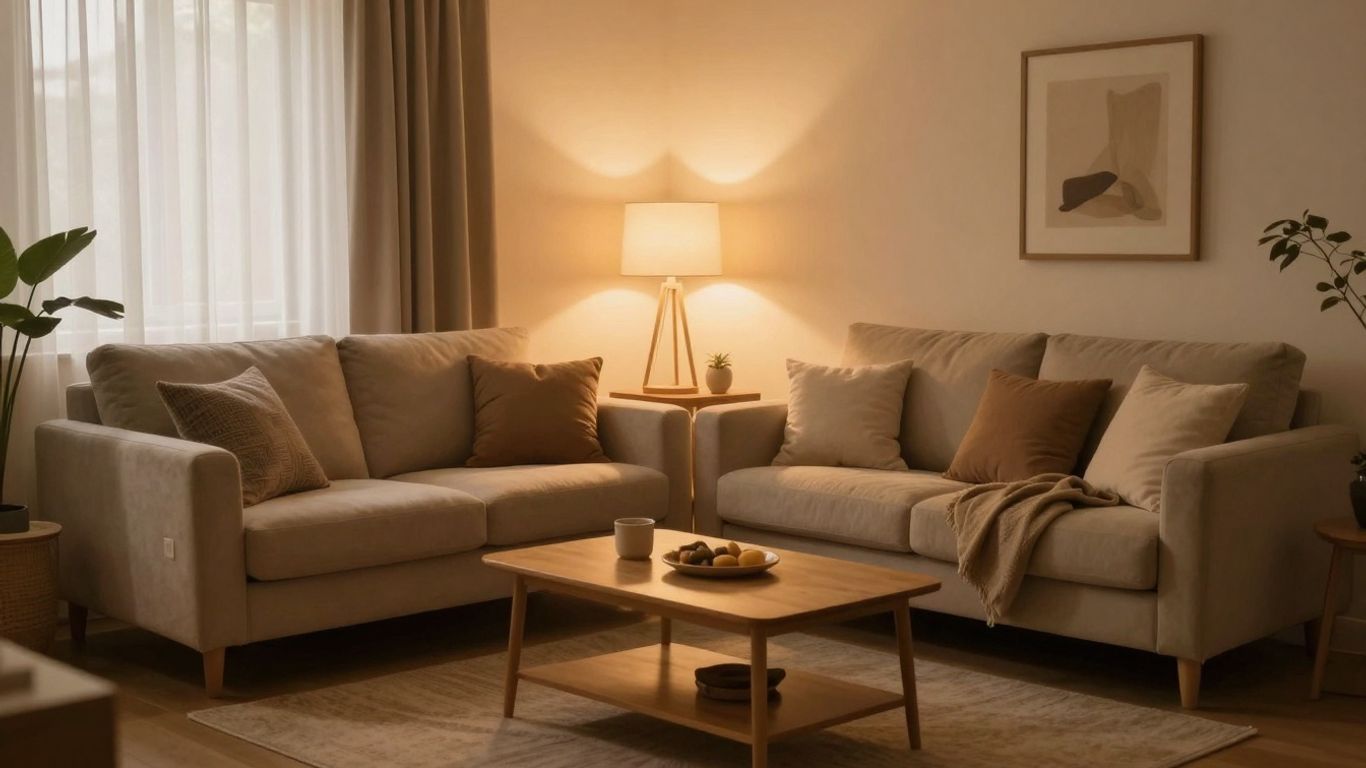
Ambient lighting, sometimes called general lighting, is basically the main light that fills your living room. It's not about spotlighting a specific book or a painting; it's about creating a general, soft glow that makes the whole space feel comfortable and welcoming. Think of it as the foundation for all other lighting in the room. Getting this right is key to setting the mood and making your living room a place you actually want to spend time in. It's the first step in transforming a plain room into a cosy haven or a stylish entertaining space.
The Role of Ambient Lighting in Setting Mood
Ambient light has a huge impact on how a room feels. It's like the background music for your living space. Warm, soft light, perhaps from lamps with amber-toned bulbs, can make a room feel really cosy and intimate, perfect for a quiet evening in. On the other hand, brighter, cooler light might make the space feel more alert and modern, which could be good for when you're having a get-together. It's all about the vibe you're going for.
Enhancing Aesthetic Appeal and Functionality
Beyond just mood, ambient lighting really helps your living room look its best. It can gently highlight the textures of your sofa, the colours in your rug, or even the shape of the room itself. Good ambient lighting means you can see where you're going, find the remote, or read a magazine without straining your eyes. It makes the room practical for everyday life while also looking good. It's about balancing how the room looks with how it works for you.
Creating a Welcoming Atmosphere
Ultimately, the goal of ambient lighting is to make people feel at home. A well-lit living room, with light that's not too harsh or too dim, invites people to relax and stay a while. It makes guests feel comfortable and shows you've put thought into making the space inviting. It’s the difference between a room that feels like a waiting area and one that feels like the heart of your home.
Selecting the Right Ambient Lighting Fixtures
Choosing the right ambient lighting fixtures for your living room is a bit like picking out the perfect outfit – it needs to fit the occasion, suit your style, and work well with everything else. It’s not just about brightness; it’s about how the light makes you feel and how it complements your space. Let's break down what to think about.
Considering Room Size and Layout
This is pretty straightforward, really. A sprawling living room needs a different approach than a cosy nook. For larger spaces, you'll likely need a few different light sources dotted around to avoid dark corners. Think about where you'll be sitting, walking, and generally hanging out. A single, powerful light in the middle of a huge room just won't cut it. You might need a central ceiling fixture, plus some floor lamps or wall lights to fill in the gaps. Smaller rooms, on the other hand, can often be illuminated nicely with one or two well-chosen pieces. Overdoing it in a small space can make it feel cluttered and even smaller, so be mindful of scale.
Matching Lighting to Room Purpose
What do you actually do in your living room? Is it mostly for watching films, or do you often have friends over for chats? Perhaps you have a dedicated reading corner. If your living room is a multi-tasker, you'll want lighting that can adapt. This is where dimmers come in handy, but it also means thinking about the types of fixtures. A bright, focused light might be great for reading, but you'll want something softer and more diffused for general relaxation. Consider if you need a mix of ambient and task lighting. For example, a stylish farmhouse wood chandelier might provide general light, while a nearby floor lamp offers focused light for a reading chair.
Complementing Existing Decor and Colour Schemes
Your lighting shouldn't just be functional; it should look good too. Think about the colours and textures already in your room. If you have warm, earthy tones, you might lean towards fixtures with natural materials like wood or brass, and bulbs that give off a warmer light. If your decor is more modern and minimalist, sleek metal fixtures or simple glass designs might be a better fit. The colour of the light itself matters too. Warm light (around 2700K) is cosy and inviting, perfect for living rooms. Cooler light (4000K and above) can feel more energising but might be a bit stark for a relaxation space. It’s all about creating a cohesive look.
Prioritising Energy Efficiency
Nobody likes a huge electricity bill, right? Thankfully, there are loads of energy-efficient options these days. LED bulbs are the obvious choice here. They last for ages and use a fraction of the power compared to old incandescent bulbs. When you're looking at new fixtures, check their energy ratings. Some modern fixtures are designed with energy saving in mind from the start. It’s a win-win: you save money and it’s better for the environment. Plus, with the range of smart bulb options available now, you can control your lighting remotely and set schedules, further reducing waste.
When selecting fixtures, think about the overall mood you want to create. Ambient lighting is the foundation for this, so choose pieces that contribute positively to the atmosphere. Consider the materials, finishes, and the quality of light they produce. It’s not just about illumination; it’s about adding character and warmth to your living space.
Types of Ambient Lighting Fixtures
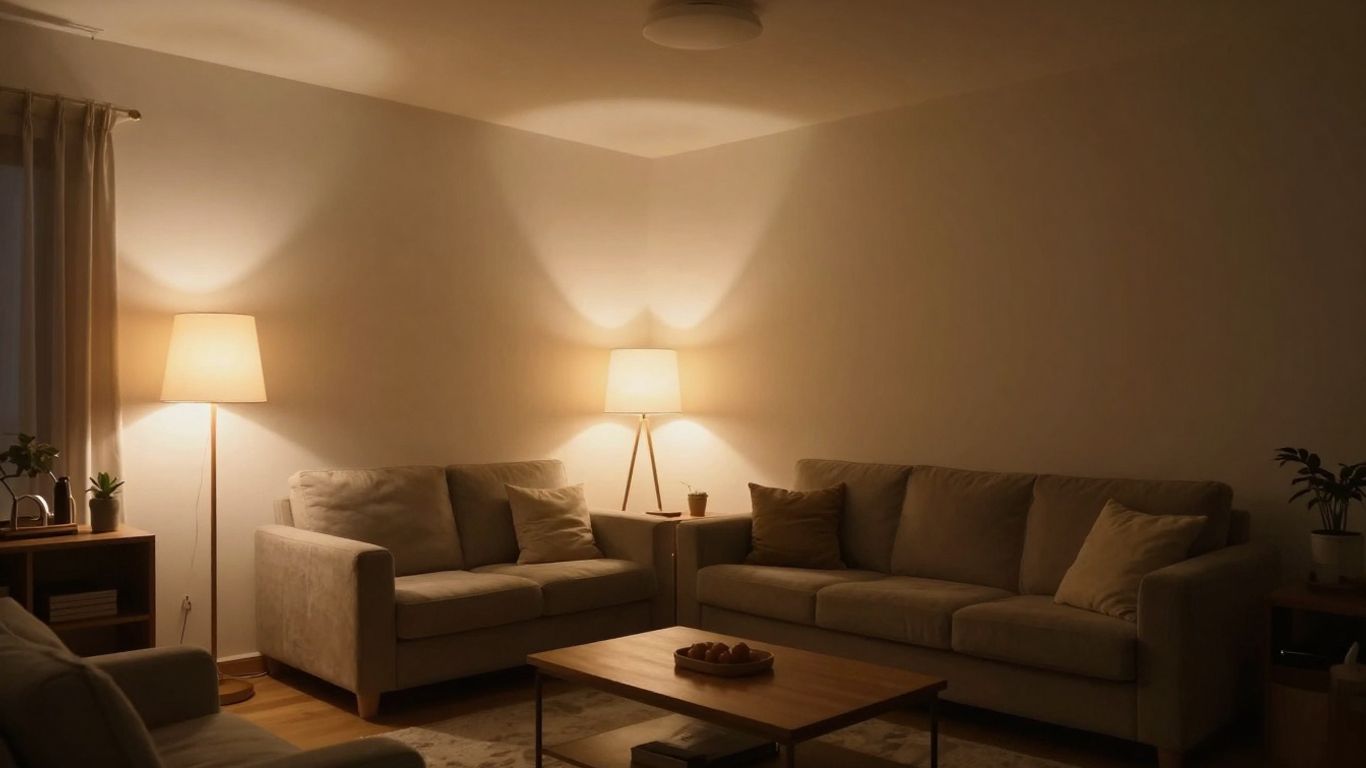
When you're thinking about lighting your living room, the actual fixtures you choose make a big difference. It's not just about the light itself, but how it looks and fits into your space. There are quite a few options out there, each with its own vibe.
Ceiling-Mounted Options: Chandeliers and Flush Mounts
These are probably the most common. Chandeliers can be real showstoppers, adding a bit of drama and elegance. They're great for making a statement, especially in larger rooms. Think of a grand farmhouse wood chandeliers for a more rustic feel, or a crystal one for something fancier. Flush mounts, on the other hand, sit right up against the ceiling. They're more subtle and good for spreading light evenly, especially if you have lower ceilings. They tend to have a cleaner, more modern look.
Wall-Mounted Solutions: Sconces and Cove Lighting
Wall sconces are brilliant for adding a bit of character without taking up floor space. They can direct light upwards, downwards, or both, creating interesting shadows and a softer glow. Cove lighting is a bit different; it's usually hidden in a recess or ledge along the top of a wall or ceiling. It bounces light off the walls or ceiling, giving a really soft, diffused, and indirect light that feels quite sophisticated. It's a great way to add depth to a room.
Portable Fixtures: Floor and Table Lamps
Don't underestimate the power of a good old floor or table lamp! These are super flexible. You can move them around to suit your needs – maybe a tall floor lamp in a corner for reading, or a couple of table lamps on sideboards to create a warm, inviting glow. They're also fantastic for filling in any dark spots and adding decorative touches. You can find them in all sorts of styles, from minimalist designs to more ornate ones.
Integrated Lighting for a Seamless Look
This is where things get really modern. Integrated lighting means the light source is built directly into the fixture or even the architecture of your room. Think about LED strips hidden under shelves or around ceiling coves. It creates a really clean, uncluttered look because you don't see the individual bulbs or fixtures as much. It's all about a smooth, continuous light that feels very intentional and high-end. It’s a way to make the lighting feel like a natural part of the room's design.
Strategic Placement for Perfect Ambient Lighting
Getting the placement of your ambient lights just right is a bit like arranging furniture – it makes a huge difference to how the whole room feels and works. It’s not just about sticking a lamp in the corner; it’s about thinking about how the light spreads and how people move around the space.
Distributing Light Evenly Throughout the Space
Nobody likes a room with dark, gloomy corners or areas that are blindingly bright. The goal here is to spread the light out so it feels balanced everywhere. Think about using a few different light sources, maybe a ceiling fixture and a couple of floor lamps, to fill the room without any harsh shadows. It makes the whole space feel more comfortable and inviting.
Layering Different Light Sources
This is where you really start to build atmosphere. Instead of just one big light, try combining different types. You could have a main ceiling light, some wall sconces for a softer glow, and then table lamps on side tables for reading or just adding a bit of warmth. This layering stops the room from feeling flat and adds depth. It means you can adjust the mood easily, from bright and functional to cosy and relaxed.
Considering Traffic Flow and Avoiding Glare
Think about how you actually use your living room. Where do people walk? Where do they sit? You don't want lamps right in the middle of a main path, or lights that shine directly into someone's eyes when they're trying to watch TV. Position lights so they illuminate the space without causing annoying glare. Sometimes, just moving a lamp a foot or two can make all the difference.
Highlighting Architectural Features
Does your living room have a nice fireplace, some interesting bookshelves, or maybe a cool textured wall? Ambient lighting is brilliant for drawing attention to these things. You can use uplighters behind a plant to cast shadows on a wall, or small spotlights to pick out a piece of art. It adds character and makes your room feel more considered and special.
Advanced Ambient Lighting Techniques
Beyond just placing a few lamps, there are some clever ways to really make your living room's lighting sing. It’s about creating layers and moods, not just brightness. Think about how light can change the feel of the room entirely.
Experimenting with Warm and Cool Tones
Different colour temperatures of light can have a surprising effect. Warm tones, often found in traditional incandescent bulbs (though less common now) or specific LED settings, give a cosy, inviting feel. They’re great for evenings when you want to relax. Cool tones, on the other hand, are more energising and can make a space feel brighter and more modern. Most modern LED bulbs offer a range of colour temperatures, so you can switch between them. Some even let you adjust this via an app.
Incorporating Dimmers and Smart Controls
This is a game-changer. Dimmers allow you to dial down the intensity of your lights, instantly changing the atmosphere from bright and functional to soft and intimate. Smart controls take this a step further. You can often control them with your phone or even your voice. Imagine setting up 'movie night' or 'reading' scenes that adjust multiple lights to the perfect level and colour with a single command. It’s about having precise control over the mood.
Using Lighting to Highlight Focal Points
Don't just light the whole room evenly. Think about what you want people to notice. A well-placed spotlight on a piece of art, a striking architectural feature, or even a beautiful plant can draw the eye and add depth to the room. This is where accent lighting techniques come into play, working alongside your general ambient light.
Creating Interesting Lighting Patterns
Sometimes, it's the subtle details that make a difference. Consider fixtures that cast interesting shadows or patterns on the walls or ceiling. Think about textured lampshades that diffuse light in unique ways, or uplighters that create a wash of light against a textured wall. These elements add visual interest and a touch of personality to your space, moving beyond simple illumination.
Embracing Modern Ambient Lighting Trends
Right now, there are some really interesting directions lighting is heading in, making it easier than ever to get that perfect living room vibe. It's not just about sticking a bulb in a lamp anymore; it's about creating an experience.
The Rise of Smart Lighting Systems
This is a big one. Smart lighting lets you control everything from your phone or even just by talking to a smart speaker. You can dim the lights for movie night, brighten them up for reading, or even set schedules so the lights come on when you get home. It’s all about convenience and making your lighting work for you.
Circadian Rhythm Lighting for Well-being
Ever heard of circadian rhythm lighting? It’s pretty clever. Basically, the lights change colour temperature throughout the day to mimic natural sunlight. So, it’s a cooler, brighter light in the morning to help you wake up, and then it gets warmer and softer in the evening, which is supposed to help you wind down and sleep better. It’s a nice way to make your home feel more in tune with your body’s natural clock.
Biophilic and Minimalist Design Approaches
There’s a growing interest in bringing the outdoors in, and lighting is part of that. Think fixtures made from natural materials like wood or stone, or designs that have organic shapes. On the flip side, minimalist design is still huge. This means clean lines, simple fixtures, and often, lighting that’s built right into the architecture of the room, so you don’t really see the lights themselves, just the light they cast. It’s about creating a calm, uncluttered feel.
Sustainable and Eco-Friendly Choices
People are definitely more aware of their environmental impact, and that extends to lighting. We’re seeing more fixtures made from recycled materials and a big push towards energy-efficient options like LED bulbs. It’s good for the planet and often saves you money on your electricity bill in the long run. Choosing energy-efficient LED bulbs is a simple yet effective way to embrace this trend.
It's worth noting that these trends often overlap. You can have smart, energy-efficient LED bulbs that also fit into a minimalist or biophilic design. The goal is to create a living space that feels good, looks good, and is also mindful of its impact.
Brighten up your home with the latest styles in ambient lighting! Discover how modern trends can transform your living space into a cosy haven. From sleek, minimalist designs to vibrant, mood-setting colours, there's a perfect light for every room. Ready to find your glow? Visit our website today to explore our stunning collection and bring your home to life.
Wrapping Up
So, there you have it. Getting the lighting just right in your living room isn't as complicated as it might seem. It’s all about playing around with different light sources, maybe adding a dimmer or two, and thinking about how you actually use the space. Don't be afraid to experiment a bit – a few well-placed lamps or a change in bulb colour can make a surprising difference. Ultimately, good ambient lighting just makes the whole room feel more welcoming and comfortable, whether you're having mates over or just chilling on the sofa. Give it a go, and see how much better your living room feels.
Frequently Asked Questions
What exactly is ambient lighting?
Ambient lighting is basically the main light that fills up your whole room. Think of it as the general glow that makes the space feel welcoming and comfortable, rather than a bright light focused on one spot.
Why is ambient lighting so important for a living room?
It's super important because it sets the whole mood! Good ambient lighting makes your living room feel cosy and inviting, which is perfect for relaxing or having people over. It also makes the room look nicer and helps with different activities.
How do I pick the best ambient lights for my living room?
You should think about how big your room is, what you already have in there for decoration, and what kind of vibe you want. For bigger rooms, you might need a few lights, while smaller ones might only need one or two well-placed ones. Choosing lights that use less energy, like LEDs, is also a smart move.
Can I mix different types of ambient lights?
Absolutely! Mixing different kinds of lights, like ceiling lights, wall lights, and floor lamps, can make your room look more interesting and give it more depth. It's all about creating layers of light.
Where should I put my ambient lights?
Try to spread the light out evenly so there are no dark corners. It's also a good idea to put lights where people walk so they don't bump into them or get blinded by glare. Highlighting cool features like a fireplace or artwork with light is also a great trick.
What are some new trends in ambient lighting?
Lots of people are using smart lighting systems now that you can control with your phone or voice. There's also lighting that changes throughout the day to match natural light, which is good for your sleep. Plus, using natural materials and eco-friendly options is becoming really popular.

