

Brighten Your Home with a Versatile 8w LED Bulb
Thinking about giving your home a bit of a refresh? Lighting can make a huge difference, and honestly, the humble 8w LED bulb is a bit of a superstar. They're not just about saving a few quid on your electricity bill, though that's a big plus. These little bulbs are super adaptable, fitting into all sorts of lamps and fixtures, and they can totally change the mood of a room. Let's chat about why an 8w LED bulb might be just what your home needs.
Key Takeaways
- An 8w LED bulb is a really energy-efficient way to light your home, using much less power than older bulbs.
- These bulbs last a long time, meaning you won't be swapping them out very often, saving you hassle and money.
- You can get 8w LED bulbs that let you change the brightness or even the colour of the light to suit your mood or activity.
- Smart 8w LED bulbs can be controlled with your phone or voice assistants, adding a modern touch to your home.
- Switching to an 8w LED bulb is good for your wallet and the planet, cutting down on energy use and waste.
Embracing The 8w LED Bulb For Modern Homes
It feels like only yesterday we were all swapping out old incandescent bulbs for those twisty CFL ones, remember those? Now, the humble light bulb has had another revolution, and it's all thanks to LEDs. Specifically, the 8w LED bulb is really making a name for itself in our homes. It’s not just about saving a bit of cash, though that’s a big part of it. These little bulbs are genuinely changing how we light our spaces, making things more efficient and, dare I say, a bit more pleasant.
Energy Efficiency Of LED Technology
Let's get down to brass tacks: LEDs are incredibly efficient. Compared to older bulbs, they use a fraction of the electricity to produce the same amount of light. Think about it – an 8w LED can often do the job of a 60w traditional bulb. That's a massive saving on your energy bill, and it's also much kinder to the planet. Less energy used means a smaller carbon footprint, which is something we can all feel good about.
- Significant energy reduction: Uses up to 85% less energy than incandescent bulbs.
- Lower heat output: Less energy is wasted as heat, making rooms feel cooler.
- Longer lifespan: They last for years, meaning fewer replacements and less waste.
The shift to LED technology isn't just a trend; it's a practical upgrade that benefits both your wallet and the environment. It's a simple change that has a surprisingly big impact.
Longevity And Durability Of LEDs
One of the best things about these LED bulbs is how long they last. We're talking thousands of hours of use, often 15,000 to 25,000 hours or even more. This means you can fit them and largely forget about them for years. No more fiddling around in the dark trying to change a bulb that's blown every few months. They're also built tougher. Unlike old bulbs with delicate filaments, LEDs are solid-state devices, making them much more resistant to bumps and vibrations. This makes them a really reliable choice, especially for those hard-to-reach light fixtures.
Cost-Effective Lighting Solutions
When you add up the energy savings and the fact that you won't be buying replacement bulbs every few months, the cost-effectiveness really shines through. While the initial purchase price might be a little higher than a basic bulb, the long-term savings are substantial. An 8w LED bulb is an investment that pays for itself over time. You get great light, lower bills, and less hassle. It’s a win-win, really.
Versatile Lighting With An 8w LED Bulb
Adjustable Brightness And Dimmability
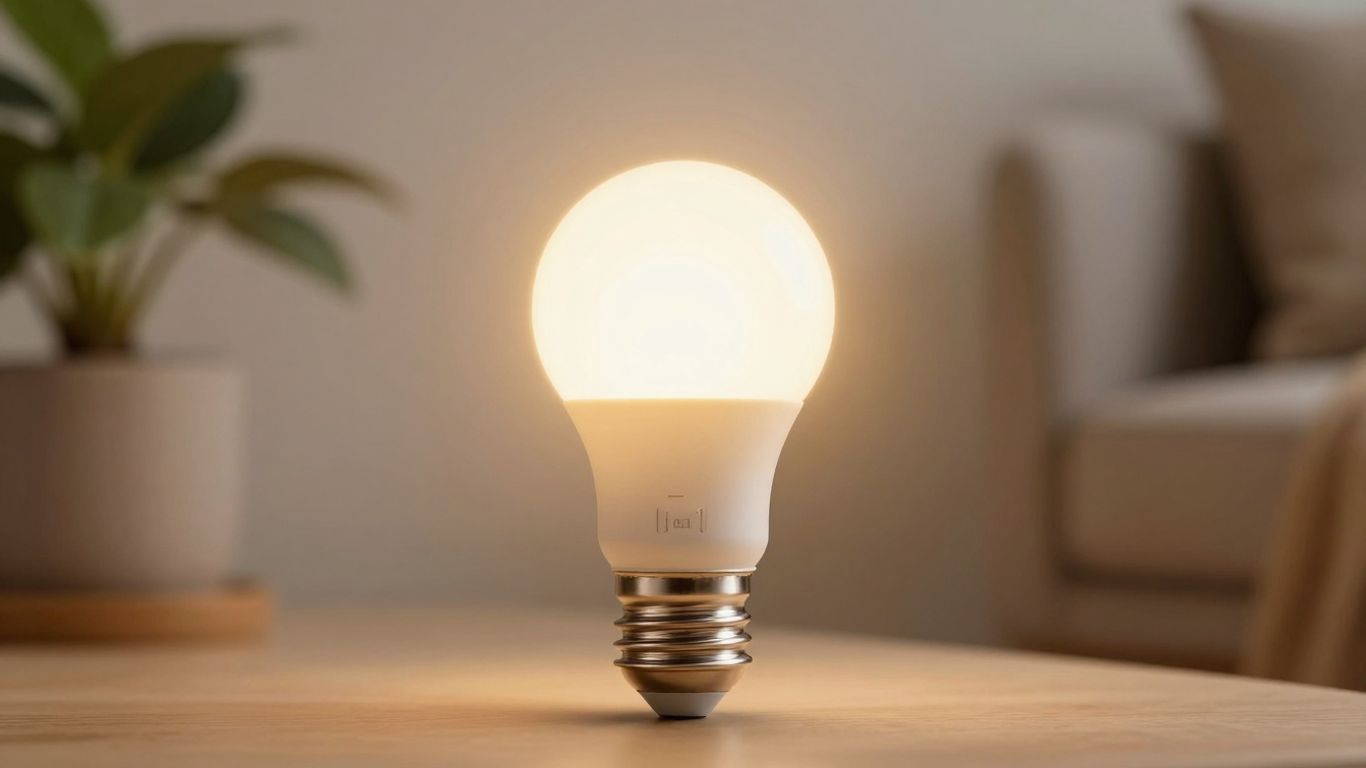
One of the best things about modern 8w LED bulbs is how adaptable they are. Gone are the days of just flicking a switch and having a fixed level of light. Many of these bulbs are now dimmable, meaning you can tweak the brightness to suit whatever you're doing. This flexibility is a game-changer for setting the mood in your home. Need bright light for reading or cooking? Turn them up. Want a softer glow for a relaxed evening? Just dim them down. It’s all about control and creating the right atmosphere without needing a whole new set of light bulbs.
Colour Temperature Variations For Ambiance
Beyond just brightness, the colour of the light itself can make a huge difference. 8w LED bulbs come in a range of colour temperatures, usually measured in Kelvin (K). You'll typically see options like:
- Warm White (around 2700K-3000K): This gives off a cosy, yellowish light, similar to traditional incandescent bulbs. It’s perfect for living rooms and bedrooms where you want a relaxing vibe.
- Cool White (around 3500K-4100K): This is a more neutral white light, good for kitchens, bathrooms, or hallways where you need clear visibility.
- Daylight (around 5000K-6500K): This is a bright, bluish-white light that mimics natural daylight. It’s ideal for workspaces, garages, or anywhere you need to be alert and focused.
Choosing the right colour temperature can completely transform a space, making it feel more inviting or more functional.
Smart Technology Integration Options
And then there's the smart stuff. You can get 8w LED bulbs that connect to your home Wi-Fi or Bluetooth. This means you can control them with your smartphone or even your voice using assistants like Alexa or Google Home. Imagine being able to turn lights on or off, adjust brightness, or even change colour temperature without getting up from the sofa. Some smart bulbs can even be programmed to turn on and off at certain times, making it look like someone's home when you're away, or simply waking you up gently in the morning. It really adds another layer of convenience and customisation to your home lighting.
Choosing The Right 8w LED Bulb
So, you've decided to go for an 8w LED bulb, which is a smart move. But with so many options out there, how do you pick the one that's actually going to do the job you need it to? It's not just about grabbing any old light bulb replacement. We need to think about a few things to make sure you get the best light for your home.
Understanding Lumens And Brightness
Forget watts for a second; when it comes to brightness, lumens are your new best friend. Watts used to tell us how bright a bulb was, but with LEDs being so efficient, they use way fewer watts for the same amount of light. An 8w LED bulb can produce a surprising amount of light, but the lumen count is what tells you the real story. More lumens mean a brighter light. For a general room light, you might want something around 800 lumens, but if you're looking for task lighting, you might need more. It's worth checking the packaging for the lumen output to make sure it's right for the space.
Fixture Compatibility And Base Types
This is a big one, and it's easy to get wrong. You can't just put any old bulb into any old fitting. Most standard UK homes use either a bayonet cap (B22) or a screw-in cap (E27). You need to check what your existing light fixtures have. Look at the old bulb you're replacing, or check the fitting itself. If you get the wrong base type, the bulb simply won't fit, no matter how good it is. Also, consider the size and shape of the bulb. Some lamps have shades that might restrict the size of the bulb you can use.
Considering Colour Rendering Index
This might sound a bit technical, but it's actually quite important for how things look under your new light. The Colour Rendering Index, or CRI, tells you how accurately a light source shows the true colours of objects. A higher CRI (closer to 100) means colours will look more natural and vibrant. If you're painting, displaying art, or even just want your food to look appetising, a bulb with a good CRI is a must. For general home use, a CRI of 80 or above is usually pretty good, but if colour accuracy is really important, aim for 90+.
Picking the right LED bulb isn't just about brightness; it's about how the light makes colours look and whether it fits your existing lamps. Taking a moment to check these details can save you a lot of hassle later on.
Enhancing Your Living Space With LED Bulbs
Creating Cosy Environments With Warm Tones
When you think about making a home feel truly welcoming, the lighting is a massive part of it. For living rooms and bedrooms especially, you want a light that feels soft and inviting. This is where warm-toned LED bulbs really shine. They give off a light that's similar to traditional incandescent bulbs, often around 2700K to 3000K on the colour temperature scale. This kind of light is perfect for winding down after a long day, reading a book, or just having a quiet evening in. It doesn't feel harsh or clinical; instead, it wraps the room in a gentle glow that just feels right.
- Choose bulbs labelled 'warm white' or 'soft white'.
- Look for colour temperatures between 2700K and 3000K.
- Consider dimmable options to adjust the mood further.
Using warm-toned LEDs can make a big difference in how comfortable your home feels. It’s a simple switch that has a noticeable impact on the overall atmosphere, making spaces feel more lived-in and relaxing.
Boosting Productivity With Cool Daylight
On the flip side, sometimes you need a light that helps you focus and feel more alert. This is where cooler, daylight-toned LED bulbs come into play. With colour temperatures typically ranging from 5000K to 6500K, they mimic natural daylight. These are brilliant for areas where you need to concentrate, like a home office, a kitchen workspace, or even a craft room. The brighter, bluer light can help reduce eye strain during long tasks and make colours appear more vivid. It’s like bringing a bit of the outdoors in, but in a way that helps you get things done.
Task Lighting For Specific Areas
Beyond just setting a general mood, LED bulbs are fantastic for providing focused light where you need it most. Think about your favourite reading chair – a simple floor lamp with a bright, directional LED bulb can make all the difference. Or perhaps you spend a lot of time in the kitchen chopping vegetables? A well-placed under-cabinet LED strip light can illuminate your work surface perfectly, making the task safer and easier. Even in a workshop or garage, specific task lighting can improve accuracy and reduce the risk of accidents. The versatility of LED technology means you can find bulbs and fixtures designed for almost any specific need, from adjustable desk lamps to focused spotlights.
The Benefits Of Upgrading To An 8w LED Bulb
Reducing Your Carbon Footprint
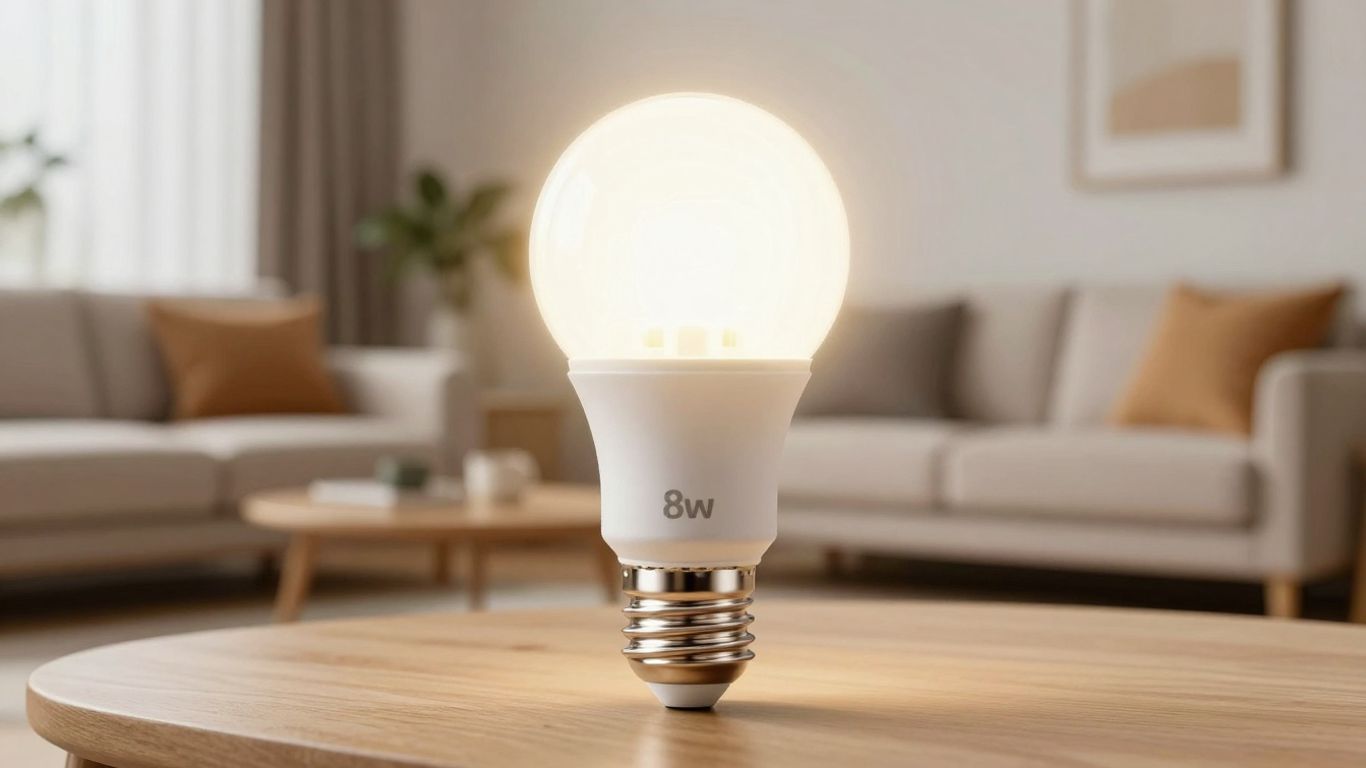
Making the switch to an 8w LED bulb is a really straightforward way to be a bit kinder to the planet. These bulbs are incredibly efficient, meaning they use a lot less electricity to produce the same amount of light compared to older types of bulbs. Think about it: less electricity used means less demand on power stations, which often rely on burning fossil fuels. Over time, if everyone made this simple change, the collective impact on reducing greenhouse gas emissions would be quite significant. It’s a small step for your home, but a big step for the environment.
Lowering Household Energy Bills
Let's be honest, nobody enjoys seeing their energy bills creep up. One of the most immediate and noticeable benefits of upgrading to 8w LED bulbs is the impact on your wallet. Because they're so much more efficient, they simply use less power. This directly translates into lower electricity costs each month. While the initial cost of an LED bulb might be a little more than a traditional one, the savings on your energy bills over its much longer lifespan really add up. It's a smart investment that pays for itself.
Minimising Maintenance And Replacements
Remember the days when you felt like you were constantly changing light bulbs? It was a bit of a nuisance, wasn't it? Well, with LED bulbs, that's largely a thing of the past. These bulbs are built to last, often for thousands upon thousands of hours – far longer than incandescent or halogen bulbs. This means you'll be replacing them much less frequently. Less time spent on a wobbly chair changing bulbs, and less money spent on buying replacements. It’s a win-win situation for convenience and your budget.
Here's a quick look at how they stack up:
| Bulb Type | Average Lifespan | Energy Use (for similar brightness) |
|---|---|---|
| Incandescent | ~1,000 hours | ~60W |
| Halogen | ~2,000 hours | ~43W |
| CFL | ~10,000 hours | ~13-15W |
| 8w LED | 25,000+ hours | ~8-12W |
The extended lifespan and reduced energy consumption of LED technology mean fewer resources are used in manufacturing and disposal, further contributing to a more sustainable approach to home lighting.
Thinking about switching to an 8w LED bulb? It's a smart move! These bulbs use way less energy than old-fashioned ones, saving you money on your electricity bills. Plus, they last much longer, meaning fewer trips to the shop for replacements. You'll notice a brighter, cleaner light in your home too. Ready to see the difference for yourself? Visit our website today to explore our range of 8w LED bulbs and start saving!
Wrapping Up
So there you have it. Upgrading to an 8w LED bulb isn't just about saving a few quid on your electricity bill, though that's a nice bonus. It's about making your home feel just right, whether you're settling down for the evening or need a bit more light for a task. With so many options out there now, from dimmable ones to those you can control with your phone, finding the perfect fit for your space is easier than ever. Give it a go, you might be surprised at the difference a simple bulb can make.
Frequently Asked Questions
What makes an 8w LED bulb good for saving energy?
LED bulbs are super efficient because they use much less electricity to make the same amount of light compared to old-fashioned bulbs. An 8w LED bulb uses only 8 watts of power, which is way less than older types that might use 60 watts or more for the same brightness. This means your electricity bill goes down and it's better for the planet.
How long do 8w LED bulbs usually last?
LED bulbs are built to last a really long time. While old bulbs might only last about 1,000 hours, an 8w LED can easily last 15,000 to 25,000 hours or even more. That means you won't have to keep buying and changing bulbs very often, saving you time and hassle.
Can I change the brightness of an 8w LED bulb?
Yes, many 8w LED bulbs are 'dimmable'. This means you can use a special dimmer switch to make the light brighter or dimmer. It's great for setting the mood, like making it cosy for movie night or bright for reading. Just make sure the bulb and the switch are compatible.
What's the difference between warm white and cool white LED bulbs?
The colour of the light matters! 'Warm white' (around 2700K to 3000K) is like the cosy glow of a traditional bulb, perfect for living rooms and bedrooms. 'Cool white' or 'daylight' (around 5000K to 6500K) is brighter and more like natural daylight, which is better for places where you need to concentrate, like kitchens or home offices.
Do I need special fittings for an 8w LED bulb?
Most 8w LED bulbs use standard fittings, like the common screw (E27) or bayonet (B22) types, so they should fit into your existing lamps and light fixtures. It's always a good idea to check the base type of your old bulb and the requirements for your light fitting to be sure.
Are 8w LED bulbs a good investment?
Definitely! Even though they might cost a little more to buy at first, they save you money in the long run. They use far less electricity, which lowers your energy bills, and they last much longer, meaning you buy fewer replacement bulbs. Plus, they help reduce your environmental impact.

