

Illuminate Your Home: A Guide to Choosing the Perfect Lighting Lights
Thinking about how to make your home feel just right? Lighting lights are a big part of that, honestly. It's not just about being able to see, but about how a place feels. We often forget about it, but the right lighting lights can totally change a room, making it feel cosy, or bright, or whatever you're going for. This guide is here to help you figure out the best lighting lights for your place, without making it too complicated. We'll look at the different kinds of lighting lights and how to use them.
Key Takeaways
- Layering different types of lighting lights, like ambient, task, and accent, makes a space more interesting and useful.
- The type of bulb you pick for your lighting lights affects the colour, warmth, and how much power it uses.
- Using controls like dimmers lets you change the mood of your rooms with your lighting lights.
- Think about how big your lighting lights are compared to the room and furniture.
- Don't forget to consider natural light when planning your lighting lights.
Understanding The Layers Of Lighting Lights
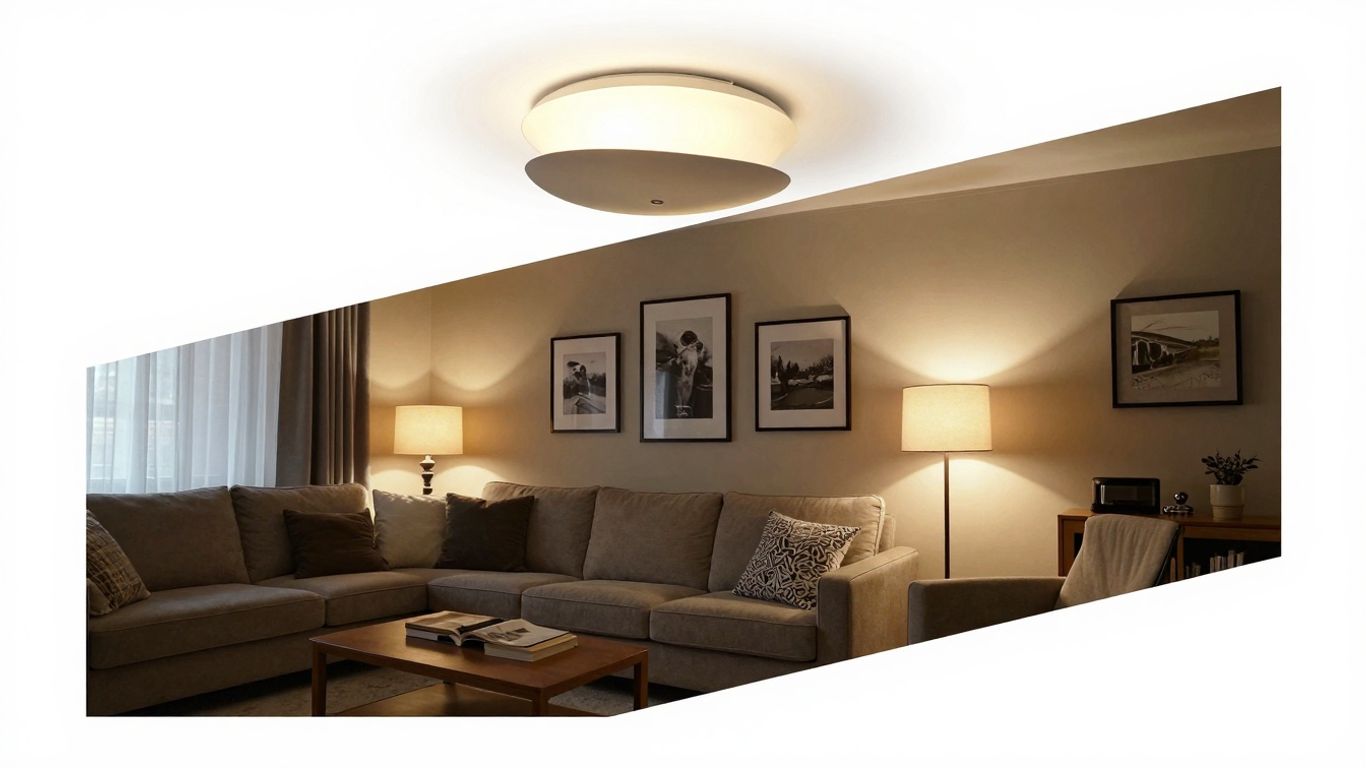
Think of lighting in your home like building a good outfit – you need a base layer, something for specific functions, and then a few accessories to really make it pop. It’s not just about sticking a bulb in a socket; it’s about creating a whole atmosphere. Getting this right means your home feels comfortable, looks good, and works for whatever you’re doing.
Ambient Lighting: The Foundation Of Your Space
This is your general, all-over light. It’s what lets you see where you’re going without bumping into things. Imagine the soft glow of daylight filling a room – that’s the vibe. Usually, this comes from ceiling fixtures like chandeliers, flush mounts, or recessed lights. It’s the main light source that makes a room usable. Without it, a room would feel pretty dark and unwelcoming, even during the day.
- Provides overall illumination for safe movement.
- Sets the basic brightness level for the room.
- Often achieved with overhead fixtures.
Ambient lighting is the unsung hero of home illumination. It’s the quiet workhorse that makes everything else possible, providing a comfortable backdrop for all your activities.
Task Lighting: Illuminating Your Activities
This is where functionality really comes into play. Task lighting is focused light for specific jobs. Think about reading a book, chopping vegetables, or working at your desk. You need a brighter, more directed light for these things so you don’t strain your eyes or make mistakes. This could be a desk lamp, under-cabinet lights in the kitchen, or a reading lamp next to your favourite armchair. The key is that it’s bright enough for the job but doesn’t create harsh glare.
Accent Lighting: Highlighting Key Features
Now for the fun part – making your home look its best. Accent lighting is all about drawing attention to specific things you want to show off. This could be a piece of art on the wall, a cool architectural feature, or even a plant you’re proud of. It’s usually brighter than ambient light and directed precisely where you want it. Wall sconces pointing at a painting or spotlights aimed at a bookshelf are good examples. It adds depth, drama, and a touch of sophistication to your space.
Choosing The Right Lighting Lights For Each Room
Every room in your house has its own vibe and purpose, right? So, it makes sense that the lighting should be a bit different for each one. You wouldn't want the same bright, focused light in your bedroom as you would in your kitchen where you're chopping vegetables.
Chandeliers And Ceiling Lights: Statement Pieces
These are often the stars of the show, especially in living rooms or dining areas. A chandelier isn't just about brightness; it's a piece of art that can really set the tone for the whole room. Think about the size of your room – a massive chandelier in a tiny space can feel overwhelming, while a small one in a big room might get lost. For hallways or smaller rooms, a simple flush-mount ceiling light can do the job nicely without taking up too much visual space. It's all about finding that balance between making a statement and fitting in.
The Linear Look: Striking Centerpieces
If you're after something a bit more modern or dramatic, a linear light fixture could be your answer. These long, often rectangular lights are fantastic over kitchen islands or dining tables. They provide a good spread of light and can look really sleek. They're definitely a conversation starter and can add a strong design element to your space. You can find them in all sorts of finishes, from brushed metal to painted styles, so they can match your decor.
Vanity Lighting: Functional Elegance
When it comes to bathrooms, especially around the mirror, good lighting is key. Vanity lighting needs to be bright enough for you to see clearly when you're doing your makeup or shaving, but it also shouldn't cast harsh shadows. Often, having lights on either side of the mirror at face height works best. This gives you even illumination. You can go for simple, clean designs or something a bit more decorative, depending on the overall style of your bathroom. It’s about making a functional space feel a bit more polished and elegant.
Designer Tips For Perfect Lighting Lights
Be Intentional About Light Bulbs
Choosing the right light bulbs is more important than you might think. It's not just about brightness; it's about the colour temperature and how that light makes you feel. For areas where you need to concentrate, like a home office or kitchen worktop, you'll want a cooler, brighter light. Think of it like natural daylight – it helps you focus. On the other hand, for living rooms or bedrooms where you want to relax, a warmer, softer glow is much better. It creates a cosy atmosphere. Dimmable bulbs are a lifesaver here, letting you switch from bright and functional to soft and ambient with just a flick of a switch. And don't forget about LEDs. They're brilliant for saving energy and last ages, which is good for your wallet and the planet.
Take Natural Light Into Account
Before you even think about switching on a lamp, take a good look at the natural light your home gets. Where do the sunbeams fall throughout the day? Are there rooms that are flooded with light in the morning but get quite dim by the afternoon? Understanding this will help you figure out where you can rely on the sun and where you'll definitely need artificial light. You don't want to be adding loads of bright lights to a room that's already super sunny, and conversely, a dark corner will need a bit more help. It's all about working with what you've got.
Notice Lighting Wherever You Go
Honestly, once you start paying attention to lighting, you'll see it everywhere. When you're out and about, whether it's at a friend's house, a restaurant, or even a shop, take a moment to notice the lighting. What makes a space feel welcoming? What makes it feel a bit gloomy? Is there a particular lamp that catches your eye, or a clever way they've lit up a dark hallway? Jot down what you like and why. This is where you'll find loads of inspiration for your own home. It’s like collecting little ideas wherever you go.
Enhancing Your Home With Specific Lighting Lights
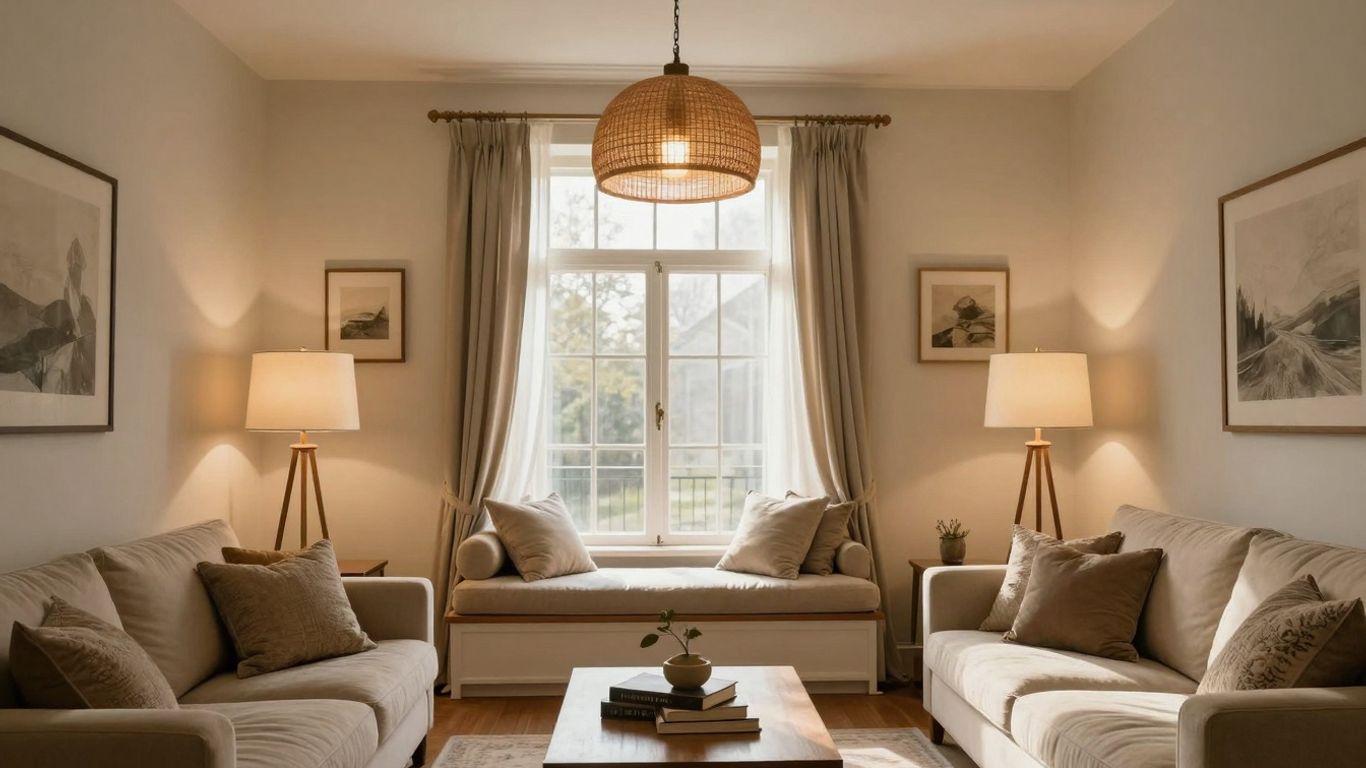
Wall Sconces and Pendants: Versatile Illumination
Wall sconces and pendant lights are brilliant for adding character and focused light where you need it. They don't just light up a room; they become part of the decor. Think about placing wall sconces either side of a mirror in a hallway or above a bedside table for reading. Pendants can hang over a kitchen island, a dining table, or even in a cosy corner to create a distinct zone. They're really flexible, and you can find them in all sorts of styles, from super modern to more traditional looks.
- Wall Sconces: Great for hallways, bathrooms, and living areas. They bounce light off the wall, creating a softer glow.
- Pendant Lights: Perfect for drawing the eye and providing direct light over specific areas like tables or counters.
- Placement is Key: Consider the height and spacing carefully to get the best effect and avoid glare.
These types of lights are fantastic for breaking up a large space or adding a bit of flair to a smaller one. They offer a way to layer your lighting without taking up floor or table space.
Spotlights: Focused Brightness
Spotlights are your best friend when you want to draw attention to something specific. Got a favourite piece of art? A cool textured wall? A plant you're really proud of? Spotlights can highlight these features beautifully. They give you precise control over where the light goes, so you can really make things pop. You can get them as individual units or as track lighting, which gives you even more flexibility to move them around as your needs change. They're not just for galleries, either; they can add a touch of drama to any room.
- Highlighting Art: Direct a spotlight onto a painting or photograph to make it a focal point.
- Architectural Features: Use them to cast interesting shadows on textured walls or highlight unique building elements.
- Task-Oriented: In a kitchen, spotlights can be aimed at work surfaces for better visibility.
Cove Lighting: Creating Ambiance
Cove lighting is all about subtle, indirect illumination. It's usually hidden within a recess or ledge in a wall or ceiling, casting a soft, diffused light. This type of lighting is brilliant for creating a relaxing mood and making a room feel more spacious and inviting. It's often done using LED strips, which are energy-efficient and can be fitted into all sorts of nooks and crannies. It's a really effective way to add a touch of sophistication without any harsh glare. It’s the kind of lighting that makes a house feel like a home.
- Soft Glow: Provides a gentle, ambient light that reduces eye strain.
- Concealed Source: The light source itself is hidden, creating a clean look.
- Versatile Application: Works well in living rooms, bedrooms, and even bathrooms for a spa-like feel.
Maximising Your Lighting Lights
Getting your home lighting just right isn't just about picking out a few nice lamps. It's about putting different types of light together so your space works well and looks good, day and night. Think of it like building a good outfit – you need layers and the right accessories.
Layer Your Lighting Lights
This is probably the most important bit. Don't just rely on one big light in the ceiling. You need a mix. We're talking about:
- Ambient Lighting: This is the general, all-over light. It's what makes a room feel lit up without being harsh. Think ceiling lights or floor lamps that spread light around.
- Task Lighting: This is for when you're actually doing something. Reading a book? You need a good reading lamp. Cooking? You need bright lights over your work surfaces. It's focused light where you need it.
- Accent Lighting: This is the fun bit. It's for drawing attention to things you like – a piece of art, a nice plant, or an interesting bit of architecture. Spotlights or wall lights can do this job.
Combining these three types means you can change the mood of a room easily. You can have bright and functional for daytime, or soft and cosy for an evening.
Consider The Bulb Type
It sounds small, but the type of bulb makes a big difference. You've got a few main choices, and they all do different things:
| Bulb Type | Pros | Cons |
|---|---|---|
| LED | Very energy efficient, long-lasting | Can be pricier upfront, some have cool light |
| Halogen | Good colour rendering, instant on | Less efficient, shorter lifespan |
| Incandescent | Warm, familiar light, cheap to buy | Very inefficient, burn out quickly |
For most homes now, LED bulbs are the way to go. They save you money on your electricity bill and last for ages. Just make sure you pick the right colour temperature – a warm white is usually best for living areas, while a cooler white might be better for kitchens or bathrooms where you need to see clearly.
Choosing the right bulb isn't just about brightness; it's about the quality of light and how it makes you feel in your space. A cheap bulb might seem like a bargain, but if it casts a weird colour or burns out in a month, it's not a good deal at all.
Control Your Lighting Lights
Being able to change your lighting is key to making it work for you. Dimmers are your best friend here. They let you turn the brightness up or down, so you can go from bright and airy to dim and relaxed with just a flick of a switch. Smart lighting is also becoming really popular. You can control lights from your phone, set schedules, or even change colours. This gives you a lot of control over the atmosphere in your home without having to get up. It’s about making your lighting work for your life, not the other way around.
The Impact Of Lighting Lights On Your Home
Lighting is so much more than just flicking a switch to see. It genuinely changes how a room feels, you know? The right lighting can completely transform the atmosphere of your home, making it feel more welcoming, functional, and even stylish. It’s like the secret ingredient that pulls everything together.
Creating Mood And Atmosphere
Think about how different lighting makes you feel. A bright, cool light might make you feel alert, perfect for working, but not so much for winding down in the evening. On the other hand, warm, dim lighting is brilliant for creating a cosy vibe, ideal for movie nights or a quiet read. You can really play with this. For instance, using dimmable bulbs means you can adjust the light level throughout the day or for different occasions. It’s amazing how much difference a simple dimmer switch can make to the overall feel of a space.
Highlighting Architectural Features
Lighting isn't just about general illumination; it's also a fantastic tool for drawing attention to the best bits of your home. Got a cool textured wall, a beautiful piece of art, or a unique architectural detail? Spotlights or wall sconces can be angled just right to make them pop. It adds a layer of sophistication and visual interest that you just don't get with a single, overhead light. It’s like giving your home a spotlight on its best features.
Enhancing Functionality
Beyond looks and mood, lighting is super important for making sure your home actually works for you. Consider your kitchen – you need bright, clear light for chopping vegetables and cooking safely. That's where task lighting comes in. Or think about your home office; you want focused light on your desk to avoid eye strain. Even in the bathroom, good lighting around the mirror is a must for grooming. Getting the right type of light in the right place makes everyday tasks so much easier and safer.
Here’s a quick look at how different lighting types serve different functions:
| Lighting Type | Primary Function |
|---|---|
| Ambient Lighting | General illumination for the entire room. |
| Task Lighting | Focused light for specific activities (reading, cooking). |
| Accent Lighting | Highlighting specific objects or features. |
It's easy to overlook the power of lighting, but it's one of the most impactful design choices you can make. It affects how you feel, how you use your space, and how others perceive your home. Taking a bit of time to plan your lighting can genuinely make a huge difference to your everyday life.
Making your home shine with the right lights can really change how it feels. It's not just about seeing better; it's about creating a cosy atmosphere or a bright, lively space. Choosing the correct bulbs can make a big difference to your mood and even save you money on your electricity bills. Want to discover how different types of bulbs can transform your living areas? Visit our website to explore our wide range of lighting options and find the perfect glow for your home.
Wrapping Up
So, there you have it. Lighting your home is a bit like putting the finishing touches on a painting; it really brings everything together. We’ve looked at different ways to light up your rooms, from the main lights that fill a space to the smaller ones that highlight your favourite things. Remember, it’s not just about seeing where you’re going, but about how a room feels. Don’t be afraid to mix and match different types of lights, and think about the bulbs you use too – they make a bigger difference than you might think. Have fun with it, and soon your home will be looking and feeling just right.
Frequently Asked Questions
What's the main purpose of ambient lighting?
Ambient lighting is like the basic, all-over light in a room. It's the foundation that lets you see where you're going and makes the space feel generally bright and welcoming. Think of it as the natural daylight of your room, usually coming from overhead fixtures.
How is task lighting different from ambient lighting?
Task lighting is specifically for doing things, like reading a book or chopping vegetables. It's brighter and more focused than ambient light, so you don't get shadows or glare while you're concentrating on a specific job.
When should I use accent lighting?
Accent lighting is used to draw attention to specific things you want to show off, like a piece of art, a cool plant, or an interesting bit of architecture. It's like a spotlight for the features of your room that make it special.
Are chandeliers just for big rooms?
Not at all! While grand chandeliers can be amazing in large spaces, there are many smaller and more subtle designs that can add a touch of style to smaller rooms too. It's all about picking the right size and style for your space.
Why is it important to think about light bulbs?
The type of light bulb you choose really matters. It affects how bright the light is, the colour of the light (warm and cosy or cool and crisp), and how much electricity it uses. LEDs, for example, are energy-saving and last a long time.
How can I make the most of natural light?
You can let in more natural light by using lighter curtains, placing mirrors opposite windows to bounce the light around, and keeping windows clean. This not only brightens your home but also helps save on electricity bills.

