

Illuminate Your Space: Discover the Best LED Lights for Ceiling Installations
Thinking about upgrading your home lighting? Ceiling lights are a big deal, and the options these days are pretty wild. We're going to look at some of the best LED lights for ceiling installations, whether you're going for a modern look or need something super bright for a workshop. It's not just about brightness, though; it's about finding the right fit for your space and how you use it. Let's get your rooms looking just right.
Key Takeaways
- LED lights are a smart choice for ceilings because they last ages and don't use much electricity.
- Recessed lights give a clean, modern look and are great for general room lighting.
- Pendant lights hang down and can be used to make a statement or focus light in specific areas.
- Track lighting is flexible, letting you point lights where you need them, which is handy for rooms with lots of features.
- Surface-mounted and panel lights are easier to install and good for providing broad illumination.
Recessed Lighting
Recessed lighting, often called can lights or pot lights, is a really popular choice for ceilings. These fixtures get installed right into the ceiling, giving a super clean and modern look. They're brilliant for general lighting, whether that's in your living room, kitchen, or even a hallway. You can get them with different types of bulbs, so they can provide anything from a warm, cosy glow to bright, functional task lighting. The main advantage is how they blend in, making the space feel more open and uncluttered.
When you're thinking about recessed lights, there are a few things to consider:
- Beam Angle: This determines how wide the light spreads. A narrower beam is good for highlighting specific areas, while a wider beam is better for general illumination.
- Trim Style: The trim is the visible part around the edge. You can get different styles like eyeball trims (which can be angled), baffle trims (which reduce glare), or gimbal trims (which allow you to direct the light).
- Size: Recessed cans come in various diameters, typically from 3 to 6 inches. The size you choose will depend on the room's dimensions and the amount of light needed.
Recessed lighting is fantastic for creating a minimalist aesthetic. Because the fixture sits flush with the ceiling, it doesn't interrupt the visual flow of the room, which can make smaller spaces feel larger. It's a subtle way to add significant illumination without drawing attention to the light source itself.
These lights are also great because they're quite durable, especially if you opt for LED bulbs. Replacing a bulb in a recessed fixture can sometimes be a bit of a faff, especially if you have high ceilings, so choosing long-lasting LED light bulbs UK makes a lot of sense. They use much less energy than older types of bulbs too, which is always a bonus for the electricity bill and the planet. You can even find smart versions that let you control brightness and colour temperature from your phone.
Pendant Lighting
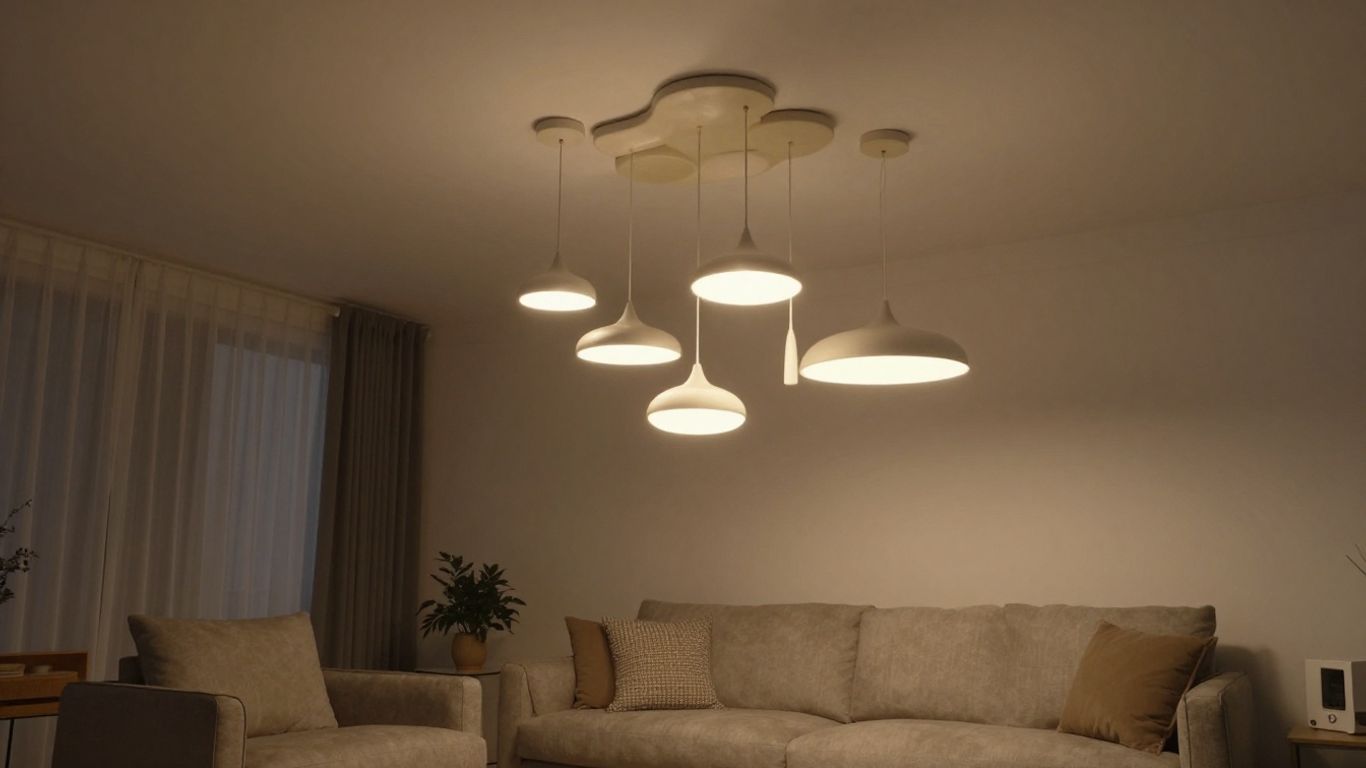
Pendant lights are a fantastic way to add a bit of flair and focused illumination to a room. They hang down from the ceiling, usually by a cord, chain, or rod, and can really become a focal point. Think of them as the jewellery for your ceiling – they can be subtle or really make a statement.
These aren't just for the dining room or over a kitchen island anymore, though those are classic spots. You can use them in a living room to highlight a reading nook, or even in a bedroom for a bit of ambient light. The variety available is pretty staggering. You've got everything from sleek, minimalist designs that look great in modern homes, to more ornate, vintage-inspired ones that suit traditional decor. Some even come with smart features, letting you control brightness and colour from your phone.
When you're picking one out, consider the size of your room and the ceiling height. A big, chunky pendant might overwhelm a small space, while a tiny one could get lost in a large room. Also, think about the kind of light you need. Some pendants are designed to cast light downwards, perfect for task lighting, while others spread light all around, creating a softer mood.
Here’s a quick look at what to consider:
- Style: Modern, traditional, industrial, minimalist – pick one that matches your room.
- Size: Make sure it's proportionate to the space.
- Light Direction: Downward, upward, or all-around illumination.
- Bulb Type: Many now use energy-efficient LED bulbs, which is a big plus. You can find a wide range of LED light bulbs UK to suit your needs.
Pendant lights offer a great opportunity to inject personality into your home's lighting scheme. They combine decorative appeal with practical illumination, making them a versatile choice for many different areas.
Track Lighting
Track lighting is a really flexible option for illuminating your space, especially if you like to change things up. It's basically a series of light fixtures that attach to a metal track, which is mounted on the ceiling. The best part is you can usually move the individual lights along the track and point them in different directions. This means you can easily adjust where the light is going, whether you want to highlight a piece of art, light up a specific work area, or just provide general room illumination.
Think of it like having a spotlight system you can customise. You can get different types of bulbs for these, from standard LED bulbs that give a good all-round light, to more focused spotlights. It's a good choice if you're not entirely sure about your lighting needs yet, or if your room's purpose changes often. You can even get smart LED bulbs that fit into track systems, giving you control over brightness and colour from your phone.
Here are a few things to consider:
- Flexibility: You can reposition and aim the lights as needed.
- Versatility: Works well for accent lighting, task lighting, or general illumination.
- Aesthetics: Can offer a modern, industrial, or even minimalist look depending on the track and fixture style.
- Bulb Options: Wide range of LED bulbs available, including dimmable and smart options.
When planning your track lighting, it's worth thinking about the total length of the track you'll need and how many fixtures it can support. Overcrowding the track can sometimes look a bit busy, and you want to make sure each light has enough space to be adjusted effectively without bumping into others. Also, consider the power supply – most systems have a main power feed at one end of the track.
Surface-Mounted Lights
Surface-mounted LED lights are a really practical choice when you don't want to cut holes in your ceiling, or perhaps you have lower ceilings where recessed lights just wouldn't work. These fixtures attach directly to the surface, making installation a bit more straightforward. They come in all sorts of designs, from super simple, almost invisible ones to more decorative pieces that can actually add a bit of style to your room.
One of the big pluses with these is their energy efficiency. They use way less electricity than older types of bulbs, which is good for your wallet and the planet. Plus, they last for ages, so you're not constantly having to think about changing bulbs. That's a real bonus, especially if they're in a tricky spot to reach.
When you're picking some out, think about how bright you need them to be. This is measured in lumens – more lumens means a brighter light. For a living room, you might want something around 1500 to 3000 lumens, but it really depends on the size of the room and what you use it for. Also, consider the colour temperature. Around 2700K is a warm, cosy light, great for relaxing spaces. If you need something for a study or kitchen where you do a lot of tasks, a cooler white light, maybe around 4000K, might be better for keeping you focused.
Here are a few things to keep in mind:
- Brightness (Lumens): Match this to the room's size and purpose.
- Colour Temperature (Kelvins): Choose between warm (cosy) or cool (task-oriented) light.
- Style: Pick a design that fits with your existing decor.
These lights are great for adding general illumination without the fuss of more complex installations. They can really make a difference in making a room feel complete and well-lit.
Panel Lights
Panel lights are a really neat option if you're after a clean, modern look for your ceiling. They're basically flat, thin fixtures that sit flush against the surface, giving off a really even spread of light. Think of them as a super-sleek alternative to older, bulkier fluorescent panels you might see in offices or shops, but much more stylish for home use.
They're brilliant for creating a bright, uniform glow without any harsh shadows. This makes them perfect for kitchens, bathrooms, hallways, or even home offices where you need good, consistent illumination for tasks. Because they're so low-profile, they don't stick out, which is a big plus if you have lower ceilings or just prefer a minimalist aesthetic. You can find them in various sizes, so you can pick what fits your space best. Plus, many come with dimmable features, letting you adjust the brightness to suit the mood.
Here are a few things to consider when looking at panel lights:
- Uniform Illumination: They spread light evenly across the room, reducing glare and dark spots.
- Sleek Design: Their slim profile blends well with modern decor.
- Energy Efficiency: Like most LEDs, they use less power and last a long time, saving you money on bills and replacements.
- Versatility: Available in different sizes and colour temperatures to suit various rooms and preferences.
When you're choosing, think about the size of the room and how much light you'll need. A larger panel might be better for a bigger space, while a smaller one could work well in a hallway. Also, consider the colour temperature – warmer tones are cosier, while cooler ones are more energising and often preferred for task areas.
Panel lights offer a sophisticated way to light up a room. Their flat design means they don't intrude on the space, and the light they emit is consistent and pleasant. It's a practical choice that also looks quite smart, especially in contemporary settings where clean lines are appreciated.
Downlights
Downlights, often called recessed lighting or can lights, are a really popular choice for modern homes. They sit flush with the ceiling, so they don't stick out at all, giving a nice, clean look. You can use them pretty much anywhere – kitchens, living rooms, hallways – to provide general light.
They're great for making a space feel bigger and less cluttered. Because they're built into the ceiling, they don't take up any visual space, which is a big win, especially in smaller rooms. Plus, they can be fitted with all sorts of LED bulbs, so you can get anything from a warm, cosy glow to a bright, functional light.
When you're thinking about downlights, there are a few things to consider:
- Lumens: This tells you how bright the bulb is. A living room might need around 1,500 to 3,000 lumens, depending on its size.
- Colour Temperature: Measured in Kelvin (K), this affects the mood. Around 2700K is a warm white, good for relaxing areas, while 4000K is a cooler white, better for places where you need to concentrate.
- Beam Angle: This is how wide the light spreads. A narrower beam is good for highlighting specific things, while a wider beam is better for general illumination.
Installing downlights can seem a bit daunting, especially if you're not used to DIY. It's worth planning where each light will go carefully before you start cutting holes in the ceiling. Getting the spacing right makes a huge difference to how the light looks and feels in the room. If you're unsure, it's always best to get a qualified electrician to do the job.
High Ceiling LED Lights
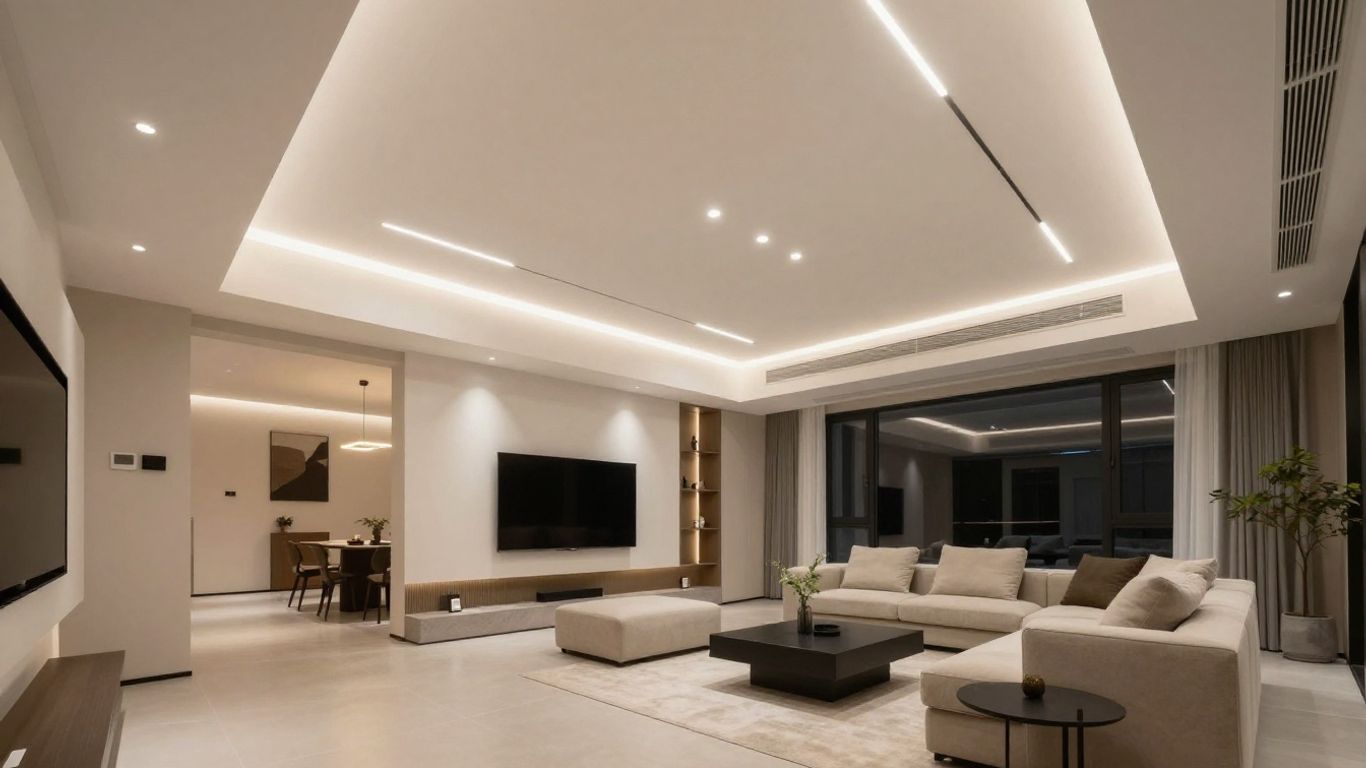
When you've got a space with ceilings that stretch up, standard lighting just won't cut it. That's where high ceiling LED lights come into their own. These aren't your average bulbs; they're designed to throw light a long way down, making sure everything from warehouse floors to grand halls is properly lit. They're a brilliant choice because they use way less electricity than older types of lights, which means your bills won't skyrocket. Plus, they last for ages, so you're not constantly swapping out bulbs.
Choosing the right ones involves a few things to think about:
- Lumens: This is basically a measure of brightness. The higher your ceiling, the more lumens you'll need to get light down to where you need it. For a really high ceiling, you might be looking at lights with tens of thousands of lumens.
- Beam Angle: This tells you how wide the light spreads out. A wider beam angle, like 120 degrees, is usually best for high ceilings because it covers more ground evenly, stopping those annoying dark patches.
- Colour Rendering Index (CRI): If you need colours to look true to life – think shops or galleries – a high CRI (over 80) is what you're after. LEDs are pretty good at this.
Installation can seem a bit much, but there are options. You can hang them with chains or cables, which lets you adjust the height, or go for a more direct surface mount if that suits your space better. It's always a good idea to get a qualified electrician involved to make sure everything's wired up safely and correctly, especially with higher voltages.
Proper spacing is key to avoiding shadows and making sure the light is even. The higher the ceiling, the further apart you can place the lights, but always check the manufacturer's recommendations and consider the beam angle of the specific led bulbs you're using.
These lights are a smart investment for large spaces, offering a bright, efficient, and long-lasting lighting solution that makes a real difference.
LED Chandeliers
When you want to add a bit of drama and a real focal point to a room, an LED chandelier is a fantastic option. Forget those old, energy-guzzling chandeliers of the past; modern LED versions offer all the style with none of the drawbacks. They're brilliant for making a statement in dining rooms, grand entrances, or even living areas where you want a touch of elegance.
These aren't just about looking pretty, though. The LED technology means they're incredibly energy efficient and last for ages, so you won't be constantly swapping out bulbs. Plus, many come with dimming features, letting you switch the mood from bright and lively for entertaining to soft and cosy for a quiet evening.
Choosing the right LED chandelier really comes down to the style of your room and the effect you're going for.
Here are a few things to think about:
- Style: Are you after something modern and geometric, or do you prefer a more classic look with crystal-like elements? There's a huge variety out there.
- Size: Make sure the chandelier is proportionate to the room. A massive one in a small space can feel overwhelming, while a tiny one in a large room might get lost.
- Brightness and Colour: Consider the lumen output (how bright it is) and the colour temperature (warm or cool light). You'll want something that complements the room's function.
- Dimmability: This is a big one for versatility. Being able to adjust the light level makes a huge difference.
LED chandeliers have come a long way. They blend the decorative appeal of traditional chandeliers with the practical benefits of modern LED technology, offering both style and efficiency for your ceiling.
Wall Sconces
Wall sconces are a bit of a hidden gem when it comes to ceiling installations, but they can really add something special. Instead of just looking up, think about the walls. These lights mount directly onto the wall, and they're brilliant for adding layers of light to a room. They don't just provide illumination; they can also act as decorative pieces, picking out architectural details or just adding a bit of style.
Think about hallways or staircases, for example. A well-placed sconce can make these often-overlooked areas feel more welcoming and safer. They're great for creating a softer, more ambient glow, which is perfect for winding down in the evening. Plus, many modern wall sconces come with LED technology built-in, meaning they're energy-efficient and last for ages. You can even find smart versions that you can control with your phone or voice assistant.
Here are a few things to consider when picking out wall sconces:
- Placement: Where will they go? Think about the height and how they'll interact with other lights in the room.
- Style: Do you want something modern and minimalist, or more traditional and ornate?
- Light Direction: Some sconces cast light upwards, some downwards, and some both ways. This affects the mood.
- Brightness: Check the lumen output if you need them for more than just decoration.
Wall sconces are fantastic for adding a touch of sophistication and practical light without taking up valuable floor or ceiling space. They're a smart way to boost the overall lighting scheme of a room.
Smart LED Ceiling Lights
These days, you can get LED ceiling lights that connect to your home Wi-Fi, which is pretty neat. You can control them using your phone or even just your voice. Imagine being able to dim the lights for movie night without getting up, or turning them on before you even get home. It really does make things a lot easier.
These smart lights often let you change the colour temperature too. So, you can have a bright, cool light for when you're working or cooking, and then switch to a warmer, cosier glow for relaxing in the evening. It's like having multiple lights in one.
Here's a quick look at what you can usually do with them:
- Remote Control: Adjust brightness and turn lights on/off from anywhere using an app.
- Voice Activation: Works with smart assistants like Alexa or Google Assistant.
- Scheduling: Set lights to turn on or off at specific times, great for security or waking up.
- Colour Changing: Many models allow you to pick from millions of colours or adjust the white light temperature.
Setting them up is usually pretty straightforward. You download an app, connect the light to your Wi-Fi, and then you're good to go. It's a simple way to make your home feel more modern and convenient.
While the initial cost might be a bit more than standard LED bulbs, the convenience and the ability to fine-tune your home's atmosphere really add up. Plus, they're still incredibly energy-efficient, so you'll save on your electricity bills in the long run.
Brighten up your home with our amazing Smart LED Ceiling Lights. They're super easy to use and can change colours to match your mood. Want to see how they can make your rooms look fantastic? Check out our website today!
Wrapping Up Your Lighting Project
So, there you have it. Picking the right LED lights for your ceiling might seem a bit much at first, with all the talk of lumens and beam angles, but honestly, it's worth the effort. You've got loads of options, from those neat recessed ones that just blend in, to statement pendants that really catch the eye. LEDs are a smart move – they save you money on your bills and last ages, meaning less hassle changing bulbs, especially if they're way up high. Whether you're doing up a whole room or just swapping out a few old bulbs, getting your ceiling lighting sorted with LEDs is a solid win. Your space will look better, and you'll probably feel a bit better knowing you've made an energy-saving choice too. Happy lighting!
Frequently Asked Questions
Why are LED lights a good choice for ceilings?
LED lights are super energy-efficient, meaning they use much less electricity than old-fashioned bulbs. This saves you money on your bills! Plus, they last way longer, so you won't have to change them as often, which is handy, especially for tricky-to-reach ceiling lights.
What's the difference between recessed and surface-mounted lights?
Recessed lights are built right into the ceiling, giving a really clean, modern look. Surface-mounted lights sit on top of the ceiling, like a little hat. Recessed lights are great for a smooth finish, while surface-mounted ones can add a bit more style or be easier to install.
How do I know how bright my ceiling lights need to be?
Brightness is measured in lumens. For rooms where you need good light, like a kitchen, you'll want more lumens. For a cosy living room, you might want fewer. The higher your ceiling, the more lumens you'll generally need to make sure the light reaches down properly.
Can I get LED ceiling lights that I can control with my phone?
Yes, absolutely! Many LED ceiling lights are 'smart' now. You can get ones that connect to your Wi-Fi, letting you change the brightness, colour, or even turn them on and off using an app on your phone or by talking to a smart speaker.
Are LED lights safe for high ceilings?
LEDs are generally very safe. They don't get as hot as older bulbs, which reduces fire risk. Because they last so long, you also don't have to worry about changing bulbs high up very often, which is safer and less hassle.
What is 'colour temperature' for LED lights?
Colour temperature is about how warm or cool the light looks. A 'warm' colour, like from a candle, is cosy and good for living rooms. A 'cool' colour, like daylight, is bright and energising, often better for kitchens or bathrooms. You can usually choose which one you prefer.

