

Transform Your Home with Stylish Exterior Lighting Fixtures
Making your home look good from the outside after dark is more than just a nice idea. It makes the place feel safer and more welcoming, and honestly, it just looks better. We’re going to talk about how to pick the right lighting exterior fixtures to really make your house stand out. It’s not as complicated as it sounds, and the results can be pretty dramatic.
Key Takeaways
- Think about your outdoor space, where you need light most, and any garden bits you want to show off when planning your lighting exterior fixtures.
- Know the difference between ambient light (general glow), task light (for doing things), and accent light (to point out features).
- Pick lighting exterior fixtures made from tough stuff that matches your house style, and get the right light colour for the mood you want.
- Mixing different kinds of light makes your home’s outside look more interesting and gives it depth.
- Use smart placement, motion sensors, and timers with your lighting exterior fixtures to make your place more secure.
Planning Your Exterior Lighting Fixtures
Right then, let's get down to planning your outdoor lighting. It might seem like a big job, but breaking it down makes it much more manageable. Think of it as painting a picture with light, making your home look its best when the sun goes down.
Assessing Your Outdoor Space
First things first, take a good wander around your property. What are you working with? Look at the different areas – the front door, the driveway, the garden paths, the patio, maybe even that nice big tree at the back. Every spot has its own purpose and needs. Where do you walk most often? Where do you sit outside? Where do you want to draw attention?
Identifying Key Illumination Areas
Now, let's pinpoint the spots that really need some light. Your front entrance is a no-brainer; you want visitors to feel welcomed and see where they're going. Pathways need to be lit so no one trips over a rogue paving stone in the dark. If you've got a seating area outside, you'll want enough light to relax or entertain without it feeling like a spotlight. Even the garage doors or side gates are worth considering.
Here’s a quick way to think about it:
- Entryways: Front door, back door, side doors.
- Pathways: Garden paths, steps, driveway.
- Social Areas: Patios, decks, balconies.
- Functional Spots: Garage doors, sheds, utility areas.
Considering Landscape Features for Accentuation
Don't forget about your garden! Got a lovely old tree, a striking shrub, or a water feature? These are perfect candidates for accent lighting. A well-placed spotlight can make a tree look dramatic at night, or highlight the texture of a garden wall. It adds another layer to your outdoor space and makes it feel more finished. Think about what you like to look at in your garden during the day – chances are, you'll want to see it at night too.
Understanding Different Types Of Lighting Exterior Fixtures
When you're thinking about lighting up your home's outside, it's not just about sticking a few bulbs in some holders. There are actually different kinds of lights, and they all do slightly different jobs. Getting this right makes a big difference to how your place looks and how you can use your outdoor areas.
Ambient Lighting For General Illumination
This is your main, all-over light. Think of it as the base layer that makes sure you can see where you're going without tripping over things. Ambient lighting is what sets the general mood for your garden or driveway. It's not about bright, harsh light, but more about creating a welcoming glow. You'll often see this from wall-mounted fixtures near the front door, or perhaps post lights along a driveway. The goal here is to provide enough light so that your outdoor spaces feel safe and accessible after dark.
Task Lighting For Specific Activities
Task lighting is more focused. It's for when you need a bit more light for a particular job. Maybe you're doing some late-night gardening, reading on the patio, or need to see clearly when you're unlocking the front door. Fixtures like deck lights or specific pathway lights fall into this category. They direct light where it's needed most, making activities easier and safer. For instance, good lighting over a barbecue area is a classic example of task lighting.
Accent Lighting To Highlight Features
This is where you get to be a bit more creative. Accent lighting is used to draw attention to specific things you want to show off. It could be a particularly nice tree in the garden, a textured wall, or even a garden ornament. Spotlights are often used for this, pointing directly at the feature. It adds depth and visual interest, making your home's exterior more dynamic and eye-catching. It's the finishing touch that can really make your property stand out.
Choosing the right type of light for each area is key. You don't want your whole garden to be as bright as day, but you also don't want to be fumbling for your keys in the dark. A mix of these lighting types is usually the best approach for a well-lit home.
Here's a quick rundown:
- Ambient: General illumination, sets the mood.
- Task: Focused light for specific activities.
- Accent: Highlights features, adds drama.
When you're picking out fixtures, think about the materials too. You want things that will last outside. Aluminium, brass, or stainless steel are good choices because they stand up well to the weather. Also, check the IP rating – a higher number means better protection against dust and water. You can find a good range of LED bulbs UK that are energy-efficient and long-lasting, fitting into many different fixture styles.
Choosing The Right Lighting Exterior Fixtures
Material Considerations For Durability
When you're picking out lights for the outside of your house, the stuff they're made from really matters. You want fixtures that can stand up to the weather, you know, rain, sun, wind, all of it, for years to come. Materials like aluminium, brass, or stainless steel are usually a good bet because they don't rust or fall apart easily. It's also worth checking the IP rating on a fixture. This number tells you how well it's protected against dust and water, so a higher rating is generally better for outdoor use. Think of it as a shield against the elements.
Style and Design to Complement Your Home
This is where you get to make your lights fit in with the look of your house. If your home is modern and sleek, you'll probably want lights that are simple and clean-lined. For a more traditional place, maybe something like a classic lantern style would be just the thing. Don't forget about the colour and finish of the fixtures, too. You want them to look good with your brickwork, paint, or whatever your house is made of. A bit of contrast can really make them stand out, or you might prefer them to blend in more subtly.
Selecting the Right Colour Temperature
Colour temperature is all about the vibe the light gives off. Do you want a warm, cosy glow that makes your home feel really inviting, like a hug on a dark evening? Or are you after a crisper, cooler light that gives a more modern feel? It's a bit like choosing paint colours; the temperature of the light can change how everything looks.
Here's a quick guide to colour temperatures:
| Temperature (Kelvin) | Description |
|---|---|
| 2700K - 3000K | Warm White (Cosy) |
| 3500K - 4000K | Neutral White |
| 4500K - 6500K | Cool White (Crisp) |
Choosing the right colour temperature can make a big difference to the atmosphere you create. Warm light is great for general ambiance, while cooler light can be useful for specific tasks or a more contemporary look. It's worth getting a few different types to see what works best for different areas.
Layering Light For Maximum Impact
Combining Ambient, Task, And Accent Lighting
Think of your home's exterior lighting like painting a picture. You don't just slap one colour on and call it done, right? It's all about using different types of light to create depth and interest. Combining ambient, task, and accent lighting is the secret sauce to making your outdoor space truly shine after dark.
- Ambient Lighting: This is your base layer, like the sky in your painting. It provides general illumination, making sure you can see where you're going. Think soft glows from wall lanterns or subtle uplighting on trees.
- Task Lighting: This is for specific jobs. This could be a brighter light over your front door for fumbling with keys, or a focused beam on your barbecue area.
- Accent Lighting: This is where you draw attention to special features – a beautiful garden statue, an interesting tree trunk, or textured brickwork. Using spotlights or small ground lights for this can make a huge difference.
Creating Depth And Visual Interest
When you mix these layers, you stop your home from looking like a flat, brightly lit stage. Instead, you create areas of light and shadow, which is what gives your exterior that inviting, sophisticated feel. It guides the eye, making certain features pop while others recede gently. This interplay makes your home look more dynamic and interesting, especially from the street. It’s about creating a mood, not just banishing darkness.
Seeing what others have done is often the best way to get ideas. Many companies showcase stunning examples of homes transformed by thoughtful exterior lighting. You'll see how a simple pathway light can lead you to a beautifully lit entrance, or how uplighting a large oak tree can create a dramatic silhouette. These examples often demonstrate how a mix of lighting types works best. For instance, a well-lit patio for entertaining might be combined with subtle garden lights that highlight flowerbeds, all under the gentle wash of ambient light from the house itself. It really shows you the possibilities and can help you visualise what might work for your own place.
Choosing the right mix of these lighting types is key. Too much of one kind can make things look odd. For instance, only having bright ambient light might feel a bit like a security floodlight, while only having accent lights might leave pathways in the dark.
Enhancing Security With Exterior Lighting Fixtures
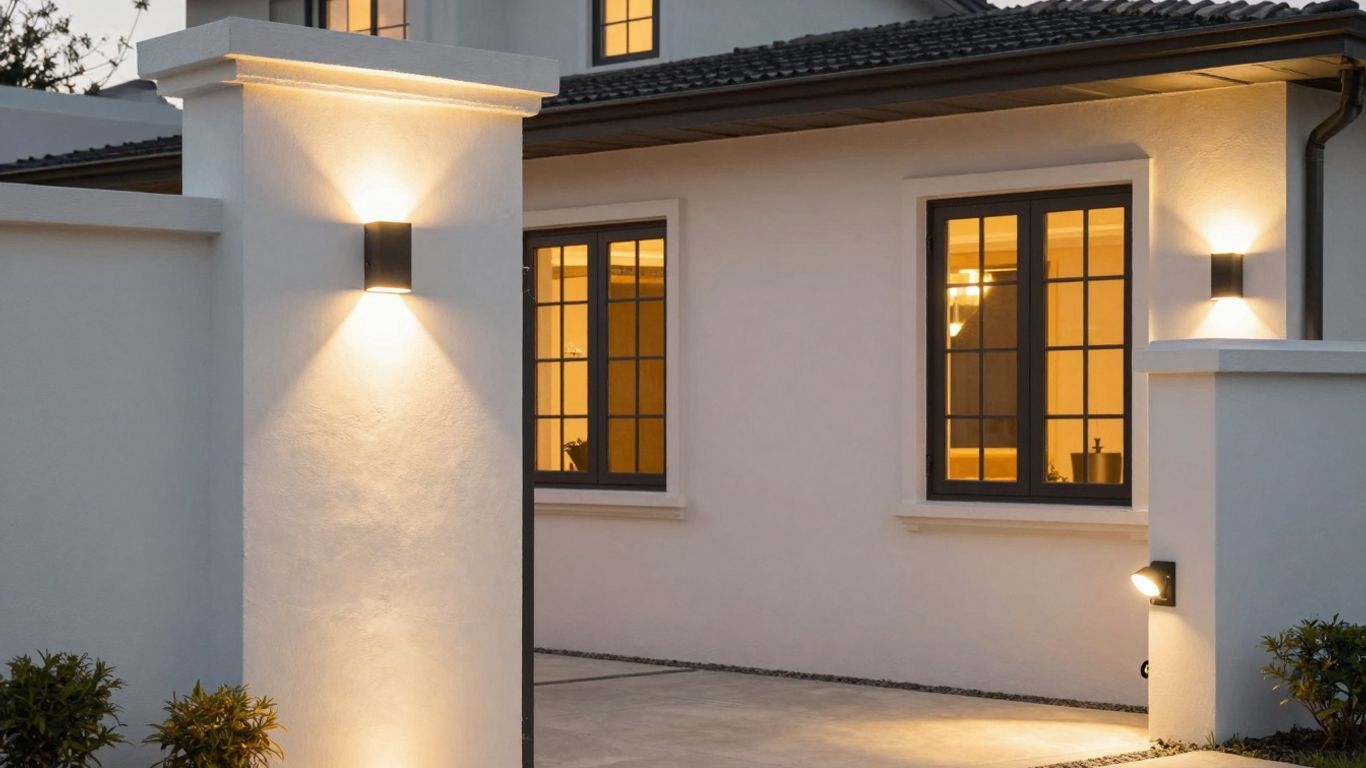
Making sure your home feels safe and sound is a big deal, isn't it? It turns out that your exterior lighting can play a pretty significant role in this. It's not just about making your place look good after dark; it's a practical way to put off anyone who might be thinking of causing trouble. A well-lit home just doesn't look like an easy target.
Strategic Placement For Deterrence
Where you put your lights really matters. The goal is to get rid of any shadowy spots where someone could easily hide. Think about the sides of your house, the back garden, and any areas that aren't easily seen from the street. While path lights are great for guiding your way, for security, you'll want to consider brighter options like floodlights or spotlights.
- Entry Points: Your front door, back door, and any patio doors are obvious places to focus on. Make sure these areas are thoroughly lit. Wall-mounted lights, often called sconces, are ideal here. They can be fitted on either side of a door, casting a welcoming light for visitors while making it very clear if someone is hanging around.
- Ground Floor Windows: Especially those that are a bit tucked away or not directly visible from the road.
- Garages and Sheds: These often contain valuable items and can be tempting targets.
- Corners and Boundaries: Illuminating the edges of your property helps prevent anyone from approaching unseen.
Eliminating dark spots is key. These shadows can provide cover for unwanted visitors. A good lighting plan ensures that no area is left in darkness, making your property less appealing for potential intruders.
Utilising Motion Sensors And Timers
Adding motion sensors and timers to your outdoor lights is a really smart move. Motion sensors are brilliant because they only switch on when they detect movement. This sudden flash of light can really startle someone who's trying to sneak around, making them think twice. It's like a silent alarm. Timers are also super useful. You can set them to turn lights on at dusk and off at dawn, so your home always looks occupied, even when you're away on holiday. This also saves a good amount of electricity, which is a nice bonus.
| Feature | How it Helps Security |
|---|---|
| Motion Sensors | Lights activate only when movement is detected, surprising intruders. |
| Timers | Automate lighting schedules, giving the impression of occupancy and saving energy. |
| Combined Use | Offers both proactive deterrence and energy-saving convenience. |
Using a combination of motion-activated lights and timers can significantly improve your home's security and also cut down on your electricity bills. It's a win-win for safety and your wallet.
Installation And Maintenance Of Your Fixtures
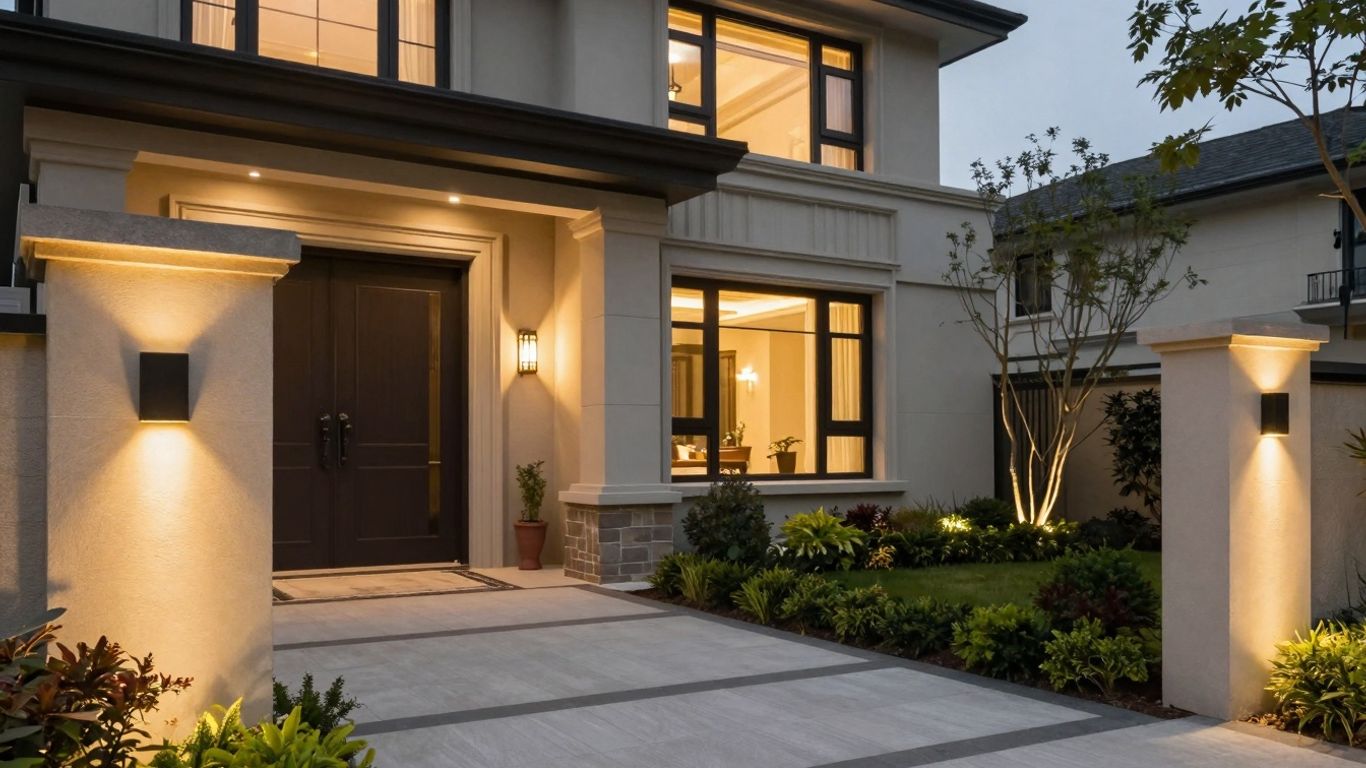
Getting your exterior lights set up and keeping them running smoothly is pretty important. It’s not just about making things look nice after dark; it’s also about safety and making sure your investment lasts. You’ve got a couple of main routes when it comes to getting them installed, and then there’s the ongoing bit of keeping them in good nick.
So, you’ve picked out your fancy new outdoor lights. Now, who’s going to wire them up? This is a big decision, and honestly, it depends a lot on your own comfort level with tools and electricity. Doing it yourself can definitely save you some cash, which is always a bonus. Plus, there’s that good feeling you get from tackling a project and seeing it through. You can work at your own pace, too, which is nice if you’re not in a rush. However, let’s be real, messing with electrical wiring can be tricky. If you’re not experienced, you could end up with more problems than you started with, and safety is a big concern. It can also take a fair bit of time, especially if you’re learning as you go.
On the flip side, hiring a professional means you’re bringing in someone who knows their stuff. They’re trained to handle electrical systems safely, so you can relax a bit more knowing it’s done right. It usually means the job gets finished a lot quicker, and you get that peace of mind that comes with a professional finish. They might even have some good design ideas you hadn’t thought of. While it costs more upfront, the time saved and the assurance of a job well done can make it well worth the expense. For complex setups, consider consulting with a professional installer.
Once your lights are up and running, you can’t just forget about them. Dust, grime, and even cobwebs can build up surprisingly fast, dimming the light and making your fixtures look a bit sad. Giving them a regular clean is a simple but effective way to keep them performing at their best. You don’t need fancy equipment for this; a soft cloth and some mild soap or cleaner usually do the trick. While you’re at it, it’s a good idea to have a quick look for any signs of damage, like cracks in the glass or loose fittings. And, of course, if a bulb finally gives up the ghost – whether it’s a standard bulb or one of those newfangled led bulbs uk – swap it out promptly. Keeping things clean and in good repair means your lights will shine brighter and last a whole lot longer.
Your outdoor lighting setup might need a little tweak now and then, especially as the seasons change. Think about things like daylight saving time; you’ll want to adjust your timers so your lights come on and go off at the right times. After any particularly rough weather, like strong winds or heavy rain, it’s wise to give your fixtures a quick check to make sure nothing’s been knocked out of place or damaged. If you’re the type to go all out for holidays, this is also the time to think about adding some festive touches. Making these small seasonal adjustments helps keep your lighting looking good and working properly all year round.
Keeping your exterior lighting in good working order isn't just about aesthetics. It plays a significant role in your home's security, helping to deter potential intruders and making it safer for you and your visitors to move around your property after dark. Regular checks and cleaning are simple steps that contribute to both the look and the safety of your home.
Keeping your lights working well is important. This section covers how to set up and look after your light fittings. For more detailed advice and to find the right parts, visit our website.
Let Your Home Shine
So, there you have it. Giving your home's exterior a bit of a lighting makeover isn't just about making it look good at night, though it certainly does that. It's also about making the place feel safer and more welcoming. By thinking about where you need light, what kind of light you want, and picking fixtures that suit your house, you can really change how your home looks and feels. Don't be afraid to mix and match different types of lights to get the best effect, and remember that a little bit of planning goes a long way. Now go on, make your home the best-looking one on the block after dark!
Frequently Asked Questions
What's the first step to planning outdoor lights for my house?
Start by looking closely at your outdoor space. Think about where people walk, like the front path or back steps, and areas where you spend time, such as a patio. Also, consider any pretty garden features like trees or bushes you'd like to show off.
What are the main types of outdoor lighting?
There are three main types. 'Ambient' lighting is for general brightness, like a soft glow all over. 'Task' lighting is brighter and focused on areas where you do things, like a grill or reading nook. 'Accent' lighting is used to draw attention to special things, like a nice tree or a garden statue.
What materials are best for outdoor light fixtures?
For lights that need to last outside, choose tough materials like aluminium, brass, or stainless steel. These can handle rain, sun, and wind without rusting or breaking easily. It's also good to check if they're protected against water and dust.
How do I make my outdoor lighting look good and work well?
Mix and match the different types of lighting! Use general ambient light to set the mood, add focused task lights where needed for activities, and use accent lights to highlight your favourite garden spots or house features. This creates a layered look that's interesting and functional.
Can outdoor lights help make my home more secure?
Absolutely! Placing lights strategically near doors, windows, and dark corners can scare off unwanted visitors. Using lights with motion sensors means they'll switch on brightly if someone approaches, acting as a great deterrent.
Is it better to install outdoor lights myself or hire someone?
You can save money by doing it yourself if you're comfortable with basic electrical work and have the time. However, hiring a professional means it's done safely and correctly, often much faster, giving you peace of mind. They can also offer expert advice.

