

Transform Your Home with the Perfect Interior Light Solutions
Lighting is a big deal in making a house feel like a home, isn't it? It's easy to get caught up in picking out paint colours or sofas, but the right interior light can totally change a room. Think about it, a poorly lit space just feels a bit grim, while a well-lit one feels welcoming and cosy. We're going to chat about how to get your interior light sorted, from understanding the basics to picking out the perfect bulbs and fixtures. It’s not as complicated as it sounds, promise!
Key Takeaways
- Think about the room's size and what you use it for when planning your interior light. A kitchen needs bright light for cooking, while a bedroom might prefer something softer.
- Layering your interior light is key. Use a mix of general lighting, task lighting for specific jobs, and accent lighting to draw attention to things you like.
- LED bulbs are a good bet for most interior light needs. They last ages and use less electricity, plus you can get them in different colours and brightness levels.
- Don't forget about the fixtures themselves! They're not just about the light they give off; they can be a big part of your room's style.
- Consider smart lighting and dimmers. They let you change the mood of a room easily, whether you're relaxing or entertaining guests.
Understanding Interior Light Essentials
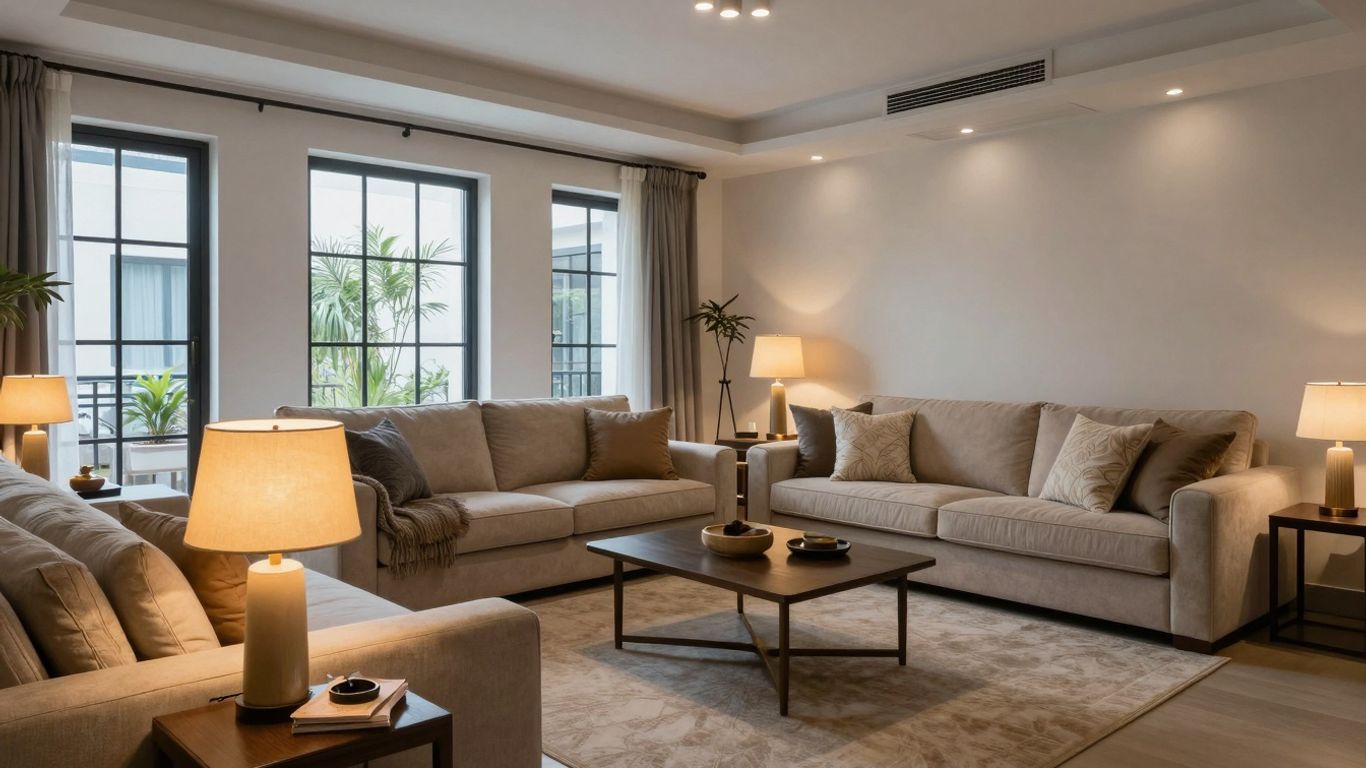
When you're thinking about making your home look and feel better, lighting is often one of those things that gets put on the back burner. People tend to focus more on the furniture, the paint colours, or how the rooms are laid out. But honestly, getting the lighting right is a massive part of making a place look good. It's not just about being able to see; it's about creating a mood, making things look appealing, and generally making your home feel more welcoming.
The Crucial Role of Interior Light
Good lighting does more than just illuminate. It can completely change how a space feels. Think about a room that's too dark – it can feel a bit gloomy, right? Now imagine that same room with well-placed lights; it suddenly feels brighter, more open, and much more inviting. It really does make a difference to the overall atmosphere. Plus, having the right kind of light means you can actually use your space properly. Whether you're trying to read a book, cook a meal, or just relax, the lighting needs to suit what you're doing. It's about making your home work for you.
Key Considerations Before Choosing Lighting
Before you start picking out light fixtures or deciding where they should go, there are a few things worth thinking about. It's not just a case of sticking a bulb in a socket and hoping for the best. You need to consider the basics:
- Room Size: A big room will need a different approach to lighting than a small one. You might need a mix of ceiling lights, wall lights, and maybe even a floor lamp to spread the light around evenly. A tiny room, on the other hand, might be perfectly fine with just one central light.
- Room Purpose: What do you actually do in the room? A kitchen needs bright, focused light, especially over the work surfaces. You want to see what you're doing when you're chopping vegetables. But a bedroom? That usually calls for softer, dimmer lights for a more relaxed vibe.
- Surface Finishes: How light bounces off different surfaces matters. Shiny surfaces can create glare, which isn't always pleasant. Matte surfaces tend to absorb light. You might need to angle your lights carefully or use lampshades to soften the effect and avoid any annoying reflections.
Getting the lighting right is about more than just brightness; it's about creating layers and moods that suit the space and how you use it. It's a bit like painting with light, really.
Exploring Different Types of Interior Light
To really get the most out of your home's lighting, you'll want to think about using a few different types together. It’s not just about one main light source. Most good lighting plans involve a mix of these:
- Ambient Lighting: This is your general, everyday light. It's the main source that lights up the whole room, like ceiling lights or wall fittings. It sets the basic level of brightness.
- Task Lighting: This is more focused light for specific activities. Think of a desk lamp for reading or working, or lights under your kitchen cabinets to illuminate the worktops. It’s practical light for when you need to see clearly.
- Accent Lighting: This type of light is used to draw attention to particular things in your room – maybe a piece of art, a nice plant, or an interesting architectural feature. It adds depth and interest to the space.
- Decorative Lighting: Sometimes, the light fixture itself is the main event. Chandeliers, stylish wall sconces, or even some types of pendant lights fall into this category. They add a decorative touch and can be a real statement piece.
Layering Light for Enhanced Ambiance
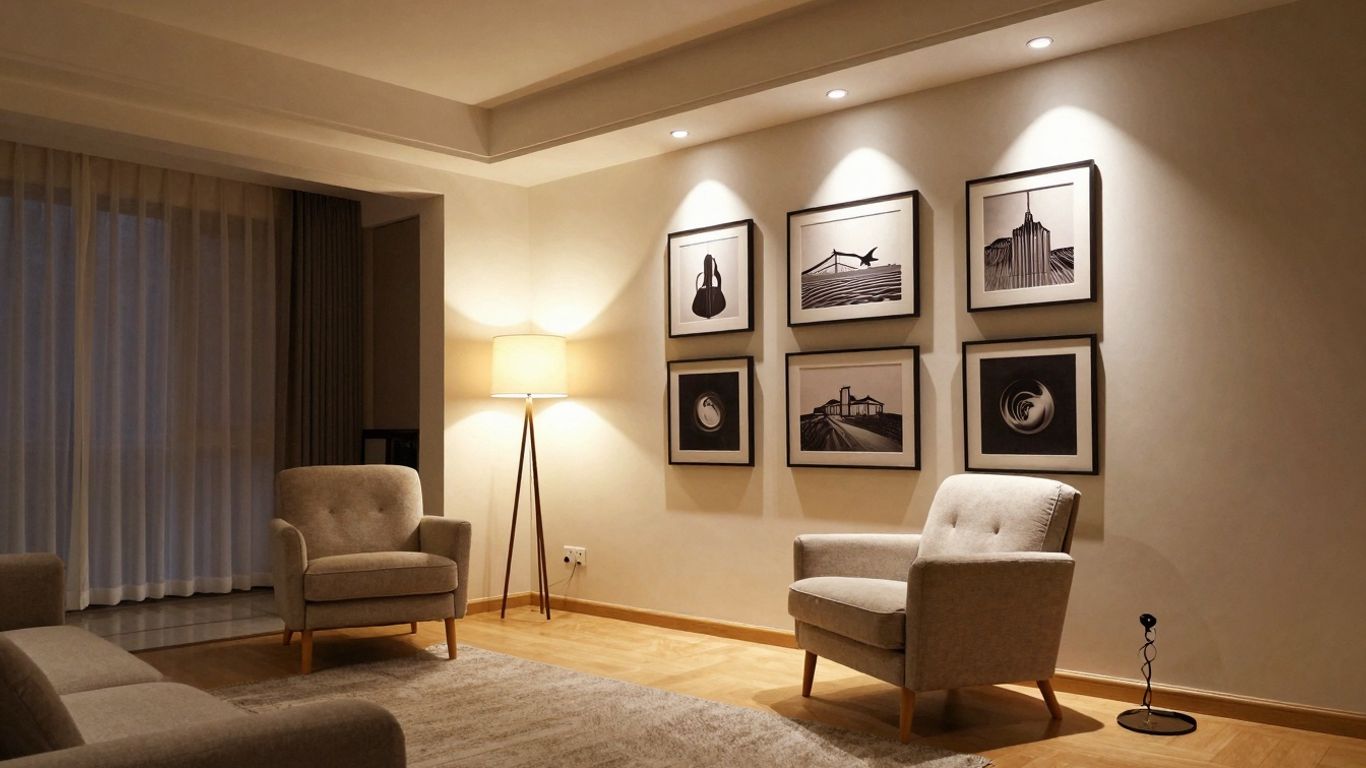
Think of lighting your home like painting a picture. You wouldn't just use one colour, would you? The same goes for light. Layering different types of light is how you create a space that feels welcoming, functional, and just right for whatever you're doing. It's about having light at different levels and for different purposes.
The Art of Ambient Lighting
Ambient lighting is the main, general light in a room. It's the stuff that makes it possible to walk around without bumping into things. Usually, this comes from ceiling fixtures like flush mounts or recessed lights. It sets the overall mood, but on its own, it can sometimes feel a bit flat or harsh. You want enough of it to see clearly, but it's just the starting point.
Implementing Task Lighting Effectively
This is the focused light you need for specific jobs. Think about reading a book in your favourite armchair, chopping vegetables in the kitchen, or working at your desk. Task lighting means putting a lamp right where you need it, or installing lights under your kitchen cabinets. Without it, you'll find yourself squinting or straining to see what you're doing.
Using Accent Lighting to Highlight Features
Accent lighting is where you can get a bit creative. This is used to draw attention to things you want to show off – a piece of art, a textured wall, or a collection of ornaments. Track lights or spotlights are good for this. They add depth and interest to a room, making it feel more dynamic and less like a plain box.
Decorative Lighting as Statement Pieces
Finally, there's decorative lighting. This is lighting that's a feature in itself. It might be a striking chandelier, a quirky table lamp, or even some stylish string lights. These pieces add personality and style, acting as ornaments that also happen to give off light. They're the finishing touches that make a space feel truly yours.
Tailoring Interior Light to Each Room
Every room in your house has its own job to do, and the lighting needs to match. It’s not a one-size-fits-all situation, you know? What works in the kitchen might be way too bright for the bedroom. Let's break down how to get the lighting just right for each space.
Illuminating Living Spaces
Your living room is probably where you relax, entertain, and maybe even catch up on some reading. So, you'll want a mix of lights here. Think about a main overhead light, perhaps a ceiling fixture or recessed lights, to give you general brightness. Then, add some table lamps on side tables and a floor lamp in a corner. This layering means you can adjust the mood – bright for guests, or dim and cosy for a quiet evening. Dimmers are your best friend in here, letting you fine-tune the brightness for any occasion.
Creating Cosy Bedrooms
Bedrooms are all about comfort and winding down. Harsh, bright lights are usually a no-go. Instead, focus on softer, warmer light. Bedside lamps are perfect for reading or a gentle glow before sleep. You might also consider wall-mounted sconces above the bed for a clean look. If you have an overhead light, make sure it's on a dimmer switch. You don't want to be blinded when you wake up!
Brightening Kitchens and Bathrooms
These are the workhorse rooms, so they need practical lighting. In the kitchen, you'll want bright, clear light, especially over countertops and the hob. Under-cabinet lighting is brilliant for eliminating shadows while you're chopping veggies. For bathrooms, good lighting around the mirror is key for getting ready. An overhead light, perhaps even one in the shower area if you have one, is also a good idea. Aim for lights that give good colour rendering so you can see true colours.
Functional Home Office Lighting
When you're working from home, good lighting can make a big difference to your focus and comfort. You definitely need a good desk lamp that you can direct where you need it. This is your main task light. Combine this with some ambient light, like a ceiling fixture or a floor lamp, so you don't have that stark contrast between your bright desk and the rest of the room. This helps reduce eye strain during long work sessions.
Lighting isn't just about seeing; it's about how you feel in a space. Getting the light right for each room makes your home more comfortable and functional. It's worth taking the time to figure out what works best for your lifestyle.
Embracing Modern Interior Light Technology
It feels like technology is changing everything these days, and lighting is no exception. We're moving past just simple on-off switches and into a whole new world of smart bulbs and clever systems that can really change how our homes feel and function. It’s not just about having light anymore; it’s about having the right light, exactly when and how you want it.
The Benefits of Smart Lighting Solutions
Smart lighting is a game-changer. Think about being able to control your lights from your phone, even when you're not at home. That's pretty neat, right? You can set schedules, dim lights for movie nights, or even change the colour to match your mood. It adds a layer of convenience and can even help with security if you're away. Plus, many smart systems are designed to be really easy to set up, so you don't need to be an electrician to get them working.
- Remote Control: Adjust lights from anywhere using a smartphone app.
- Scheduling: Set lights to turn on or off automatically at specific times.
- Customisation: Change brightness, colour temperature, and even colours.
- Voice Control: Integrate with smart assistants for hands-free operation.
Smart lighting isn't just a gimmick; it's about making your home more responsive to your lifestyle. It can help you save energy by ensuring lights aren't left on unnecessarily and create different atmospheres for different activities with just a few taps or voice commands.
Discovering EyeComfort Technology
Have you ever found yourself squinting at a light that just feels a bit harsh? That's where EyeComfort technology comes in. It's all about making light that's gentler on your eyes. This means less flicker, reduced glare, and better colour rendering, so things look more natural. It's particularly good for areas where you spend a lot of time, like your home office or reading nook. It makes a real difference to comfort levels, especially during long evenings.
Exploring Energy-Efficient OLED Systems
OLED (Organic Light Emitting Diode) systems are another exciting development. Unlike LEDs, which are point sources of light, OLEDs are thin panels that give off a very even, diffused light. It's a really soft, natural kind of illumination that's great for creating a calm atmosphere. Because they're so thin, they can be built into surfaces or furniture in ways that traditional lights just can't. They're also very energy efficient, which is always a bonus for the planet and your bills. While they might be a bit more of an investment upfront, the quality of light and the design possibilities are pretty impressive.
Choosing the Right Light Bulbs
Right then, let's talk about the humble light bulb. It might seem like a small thing, but honestly, it makes a massive difference to how your home feels. Getting the bulb wrong can make a room feel dingy or just plain odd, even if you've got the fanciest fixtures.
Decoding Bulb Specifications
It can feel a bit like learning a new language when you first look at bulb packaging. You'll see terms like Kelvin (K), Lumens, and Wattage. Wattage used to be the main thing we looked at, but that's more about how much energy it uses now, not really how bright it is. Lumens are what you want to focus on for brightness – the higher the number, the brighter the light. Kelvin (K) tells you about the colour of the light. Think of it like this:
- Low Kelvin (around 2700K): This is your 'warm white'. It's got a yellowish, cosy glow, similar to old-fashioned incandescent bulbs. Great for living rooms and bedrooms where you want to relax.
- Mid Kelvin (around 3000K-4000K): This is 'natural white' or 'cool white'. It's a bit crisper and brighter, good for kitchens, bathrooms, or home offices where you need to see clearly.
- High Kelvin (above 5000K): This is 'daylight'. It's a very blue-ish, bright light, often used for specific task lighting or areas where you need maximum visibility.
The Advantages of LED Bulbs
Honestly, for most things these days, you'll want to go for LED bulbs. They've come on leaps and bounds over the last few years. For starters, they use way less energy than older types of bulbs, which is good for your wallet and the planet. They also last for ages, so you're not constantly swapping them out. Plus, the range of colours and brightness levels available now is huge. You can get smart LEDs that you control with your phone, or ones that change colour temperature.
It's worth remembering that while the initial cost of an LED bulb might be a bit more than a traditional one, the savings on your electricity bill and the fact you won't be buying replacements for years really add up. It's a bit of an investment that pays off.
Selecting the Ideal Colour Temperature
So, picking the right Kelvin is key to setting the mood. For most of your main living areas, like the lounge or bedrooms, a warm white (around 2700K) is usually the way to go. It makes the space feel inviting and cosy. If you're in the kitchen or a home office, you might want something a bit brighter and more neutral, perhaps around 3000K to 4000K. It helps you focus and see what you're doing without straining your eyes. You can even get bulbs that let you switch between different colour temperatures, which is pretty neat if you like to change the feel of a room throughout the day.
Here's a quick guide:
- Living Room/Bedroom: 2700K (Warm White)
- Kitchen/Bathroom/Office: 3000K - 4000K (Natural/Cool White)
- Garage/Utility Room: 4000K+ (Cool White/Daylight)
Don't be afraid to experiment a little. What feels right in one house might be slightly different in another, depending on the natural light you get and the colours you've used in your decor.
Stylish Fixtures for Your Interior Light
Contemporary Fixture Trends
Lighting fixtures are really stepping up their game, moving beyond just being functional bits and bobs to becoming proper design statements. In 2025, expect to see more fixtures that are a bit out there, with unique shapes and imaginative forms. Think asymmetrical chandeliers that look like sculptures or geometric pendant lights that add a bit of fun. These aren't just about lighting up a room; they're about adding personality and a touch of elegance. Oversized fixtures are also making a splash, especially in dining rooms and living areas, acting as a real centrepiece and a talking point.
The Charm of Vintage-Inspired Designs
Who doesn't love a bit of nostalgia? Vintage-inspired designs are getting a modern twist, blending the cosy feel of the past with the sleekness of today. This means you might see classic shapes but with updated finishes, or antique-style wall lights with a more contemporary look. It’s a way to add character to your home without making it feel old-fashioned. These kinds of fixtures work really well in bathrooms or kitchens if you're going for a clean, modern layout but still want that extra bit of charm.
Artisanal and Custom Lighting Options
In a world full of mass-produced stuff, there's a growing appreciation for things that are a bit more special and unique. Handcrafted lighting pieces are becoming really popular, often made by local craftspeople. These aren't just lamps; they're often like works of art, from blown glass pendants to intricate metal chandeliers. Each one has a story and adds a personal touch to your home, which is a nice change from the usual. They're perfect for entryways or hallways to make the space feel more welcoming and individual.
Controlling Your Interior Light Experience
So, you've picked out all the right fixtures and the perfect bulbs, but how do you actually make the light work for you? It's all about control. Think of it like this: you wouldn't just have your TV on full blast all the time, right? Lighting is much the same. Getting the control side of things right means you can really dial in the mood and functionality of your home.
The Importance of Dimmers
Dimmers are honestly a game-changer, and they're not as complicated to install as you might think. Swapping out a standard light switch for a dimmer is a pretty straightforward DIY job for most people. The real magic of a dimmer is its ability to change the light's intensity. This means you can go from bright, functional light for cooking or working to a soft, cosy glow for relaxing in the evening, all with a simple slide or twist. It’s amazing how much difference you can make to the feel of a room just by adjusting the light level. You can even put lamps on dimmers, not just ceiling lights, giving you even more flexibility.
Seamless Smart Home Integration
If you're into tech, or even just want things to be a bit easier, smart lighting is where it's at. You can control lights using your phone, voice commands (think Alexa or Google Assistant), or even set schedules. Imagine telling your lights to turn on when you get home, or having them dim automatically as bedtime approaches. It sounds fancy, but it's becoming really common and quite easy to set up. You often just need smart bulbs or smart plugs for your existing lamps. It really does make daily routines smoother and adds a bit of that 'wow' factor.
Achieving Perfect Mood Lighting
This is where all the control elements come together. It’s not just about having light; it’s about having the right light for the moment. Think about different activities: you need bright, clear light for reading or doing tasks, but a softer, warmer light is better for watching a film or having dinner. Smart systems and dimmers let you save 'scenes' – like a 'movie night' setting or a 'dinner party' setting – that you can recall with a tap or a voice command. It takes the guesswork out of it and means you can instantly create the atmosphere you want, making your home feel more comfortable and tailored to your life.
Want to change how your room feels? You can easily control the light in your home to create the perfect mood. From bright and energising to soft and cosy, the right lighting makes all the difference. Discover how to get the best out of your lights by visiting our website today!
Bringing It All Together
So, there you have it. Getting your home's lighting just right might seem like a big job at first, but it really makes a difference. Think about the different kinds of light you need for each room, whether it's bright for the kitchen or a bit softer for the bedroom. Don't forget about things like dimmer switches and smart bulbs; they're not as complicated as they sound and give you loads of control. With a bit of planning and maybe a few new fixtures from places like BulbBarn, you can totally change how your home feels. It’s all about creating a space that’s not just functional, but also really cosy and welcoming. Happy lighting!
Frequently Asked Questions
What's the main idea behind 'layering light'?
Layering light is like adding different levels of light to a room. You have the main light that brightens everything up, then lights for specific tasks like reading, and finally, lights to make certain things stand out. It makes a room feel more interesting and functional.
Why is 'ambient lighting' important?
Ambient lighting is the basic, all-over light in a room. Think of ceiling lights or lamps that spread light everywhere. It's the foundation for making a space feel welcoming and comfortable, setting the overall mood.
What's the difference between task and accent lighting?
Task lighting gives you a focused beam of light for activities like cooking or reading. Accent lighting, on the other hand, is used to draw attention to something specific, like a piece of art or a nice plant, making it pop.
Are smart lighting systems worth the investment?
Smart lighting lets you control your lights with your phone or voice. You can change brightness, colour, and even set schedules. It's great for convenience, saving energy, and creating different moods easily.
How do I choose the right light bulb colour?
Light bulbs have different colour temperatures, measured in Kelvin (K). Lower numbers (like 2700K) give a warm, cosy yellow light, perfect for bedrooms. Higher numbers give a cooler, bluer light, which can be better for kitchens or offices where you need to focus.
What are some modern lighting fixture trends?
Today's fixtures often mix style and tech. You'll see sleek, minimalist designs, but also cool retro styles with a modern twist. Some lights even have extra features like built-in speakers or wireless chargers.

